Windang, Illawarra, NSW





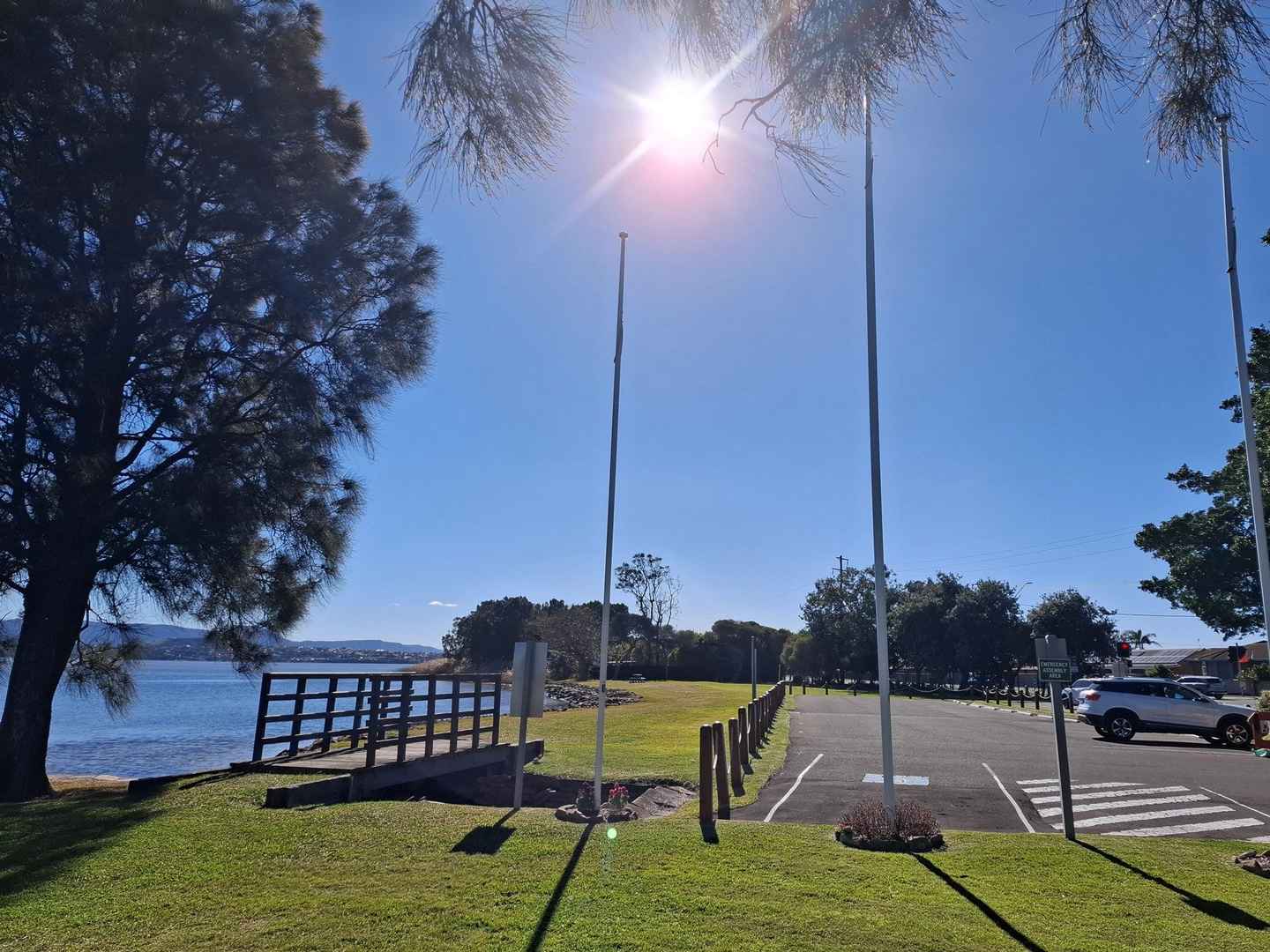
Windang is a thin strip of land with water on both sides. Lake Illawarra is on one side and the Tasman Sea on the other, about 15 minutes' drive south of Wollongong.
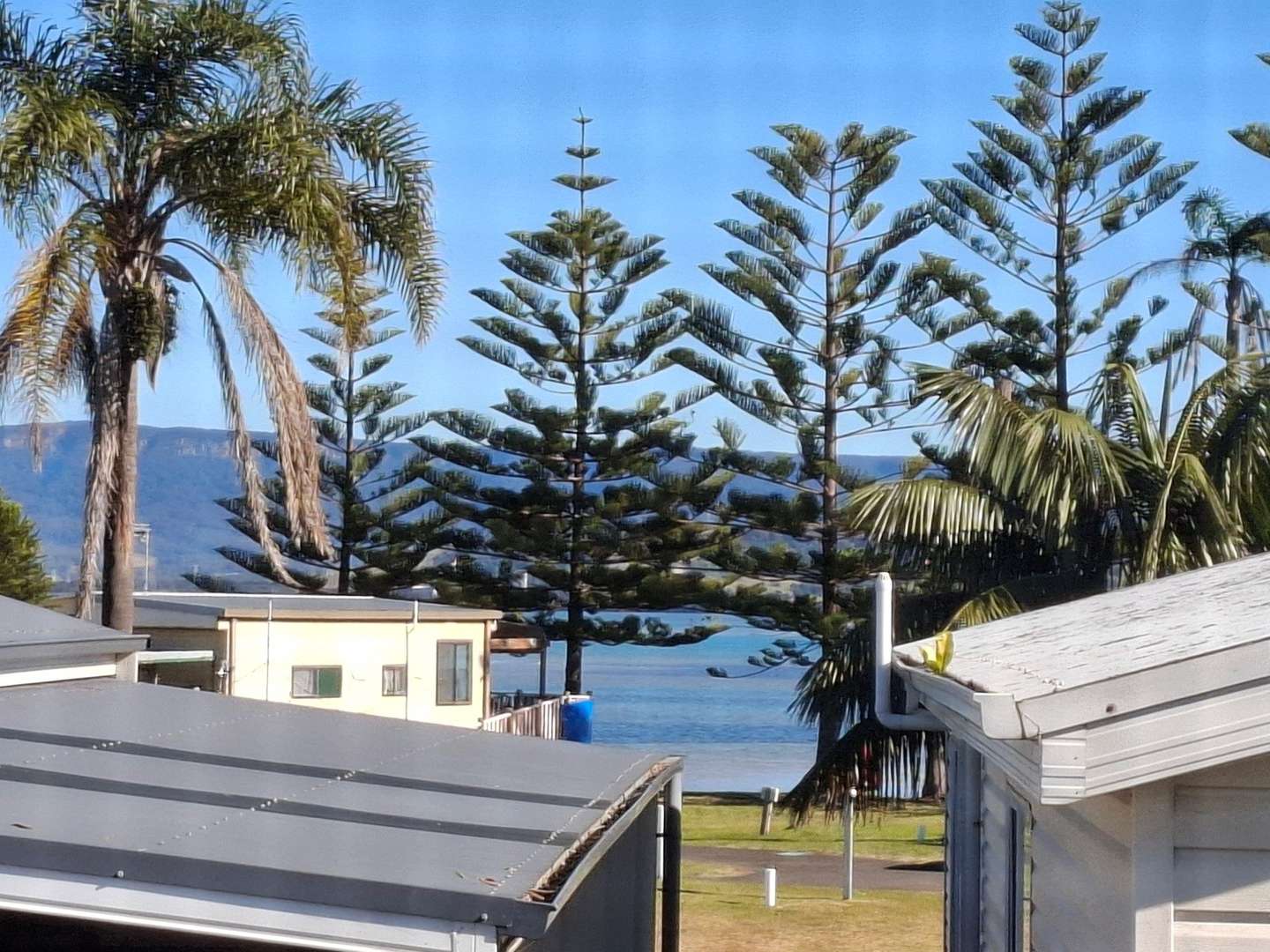
For retirees, that means choice. On a windy day you walk the lake shore; on a calm one you swim at Windang Beach. The lake entrance is a popular fishing spot, and Windang Island sits just off the beach. On a clear day, the Illawarra Escarpment fills the view to the west.
Lake Illawarra is one of the larger coastal lakes in NSW, and its shallow, sheltered water suits people who want to paddle, fish or sail without big waves. On the ocean side, Windang Beach is patrolled by the local surf club in summer.
Windang itself is small. The shopping strip has cafes, takeaways and the basics, and the local clubs are where people meet. A shared path follows the lake shore for walkers and cyclists.
For anything bigger, you drive a few minutes. Stockland Shellharbour is to the south and Wollongong's city centre to the north. Shellharbour Hospital and Wollongong Hospital both provide public hospital care.
Buses run to Wollongong and Shellharbour, and stations on the South Coast Line connect to Sydney.
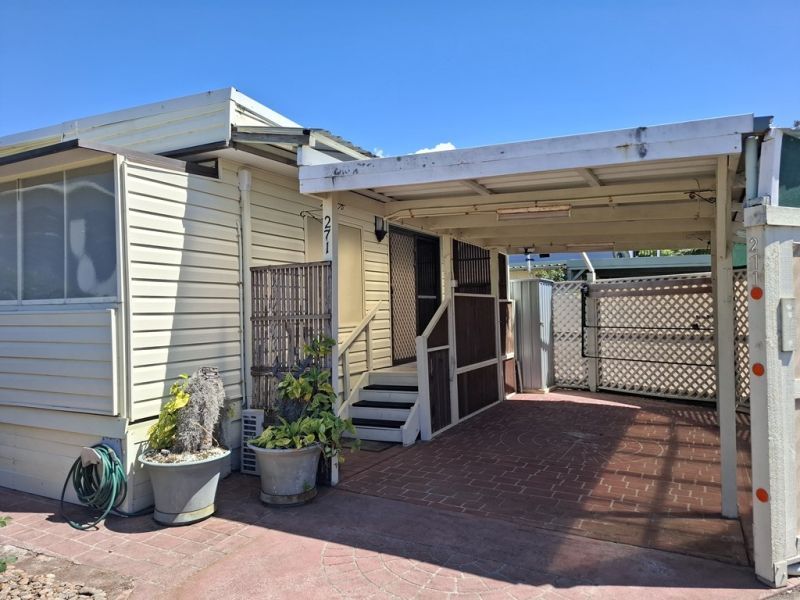
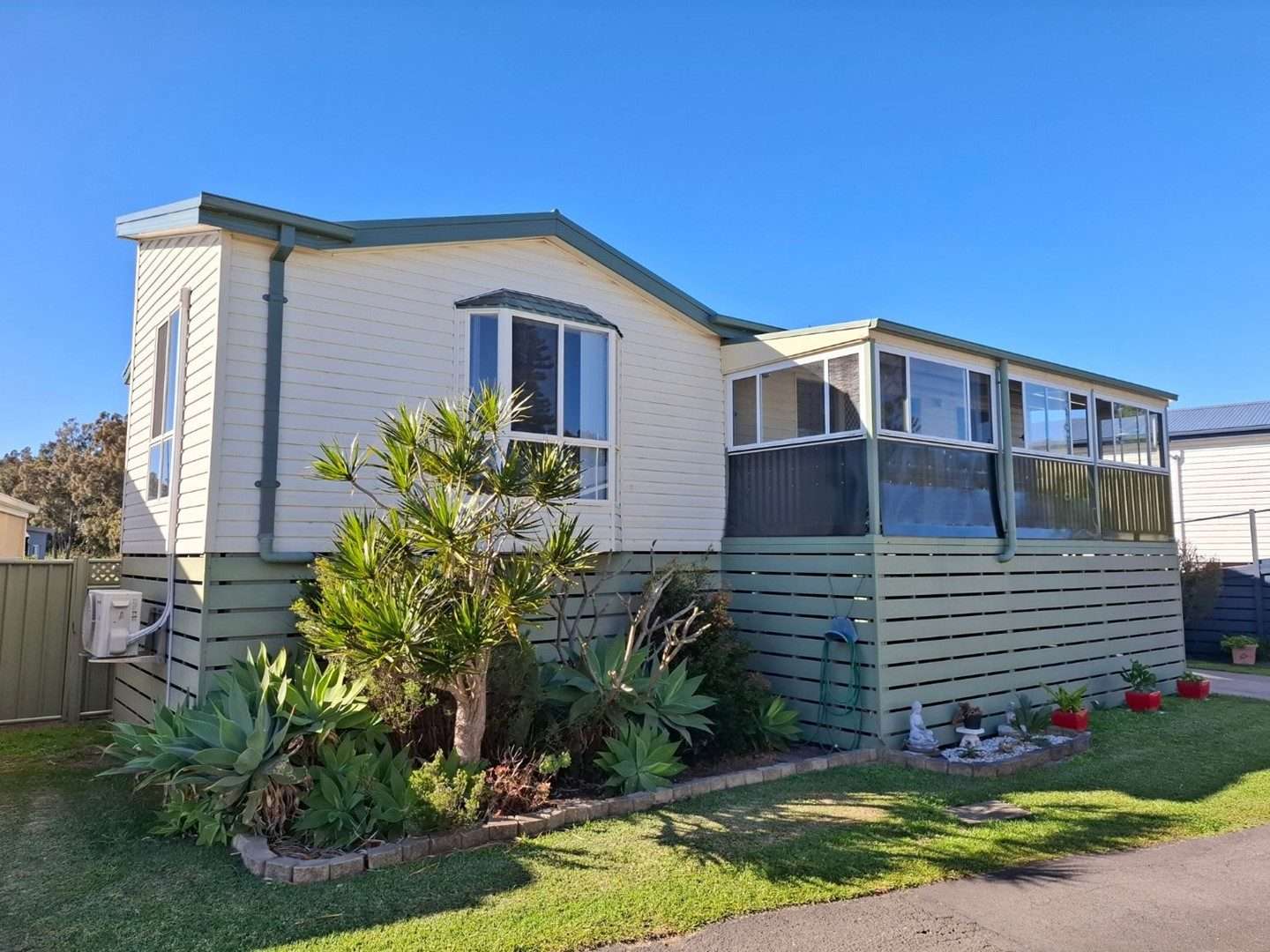
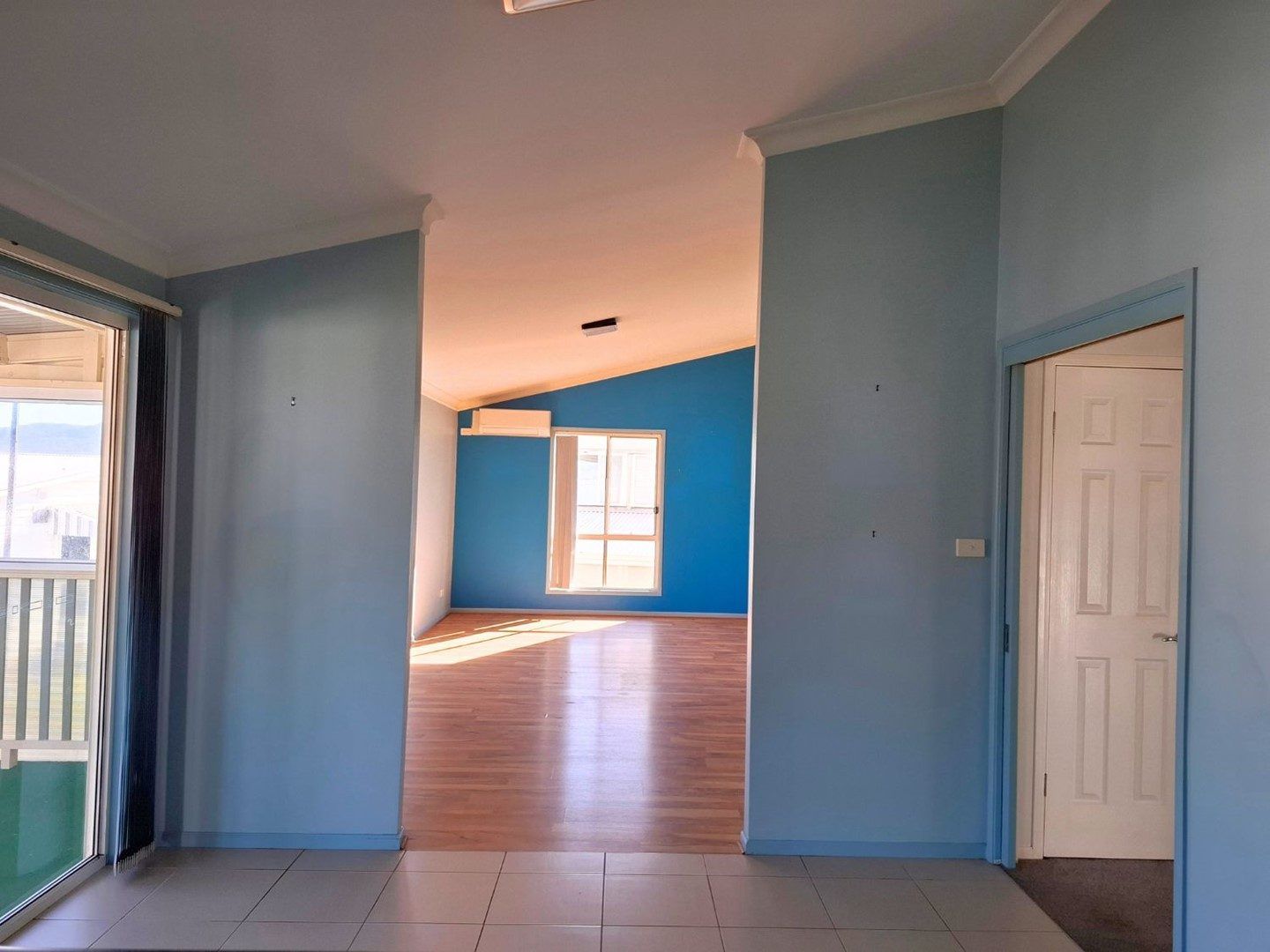
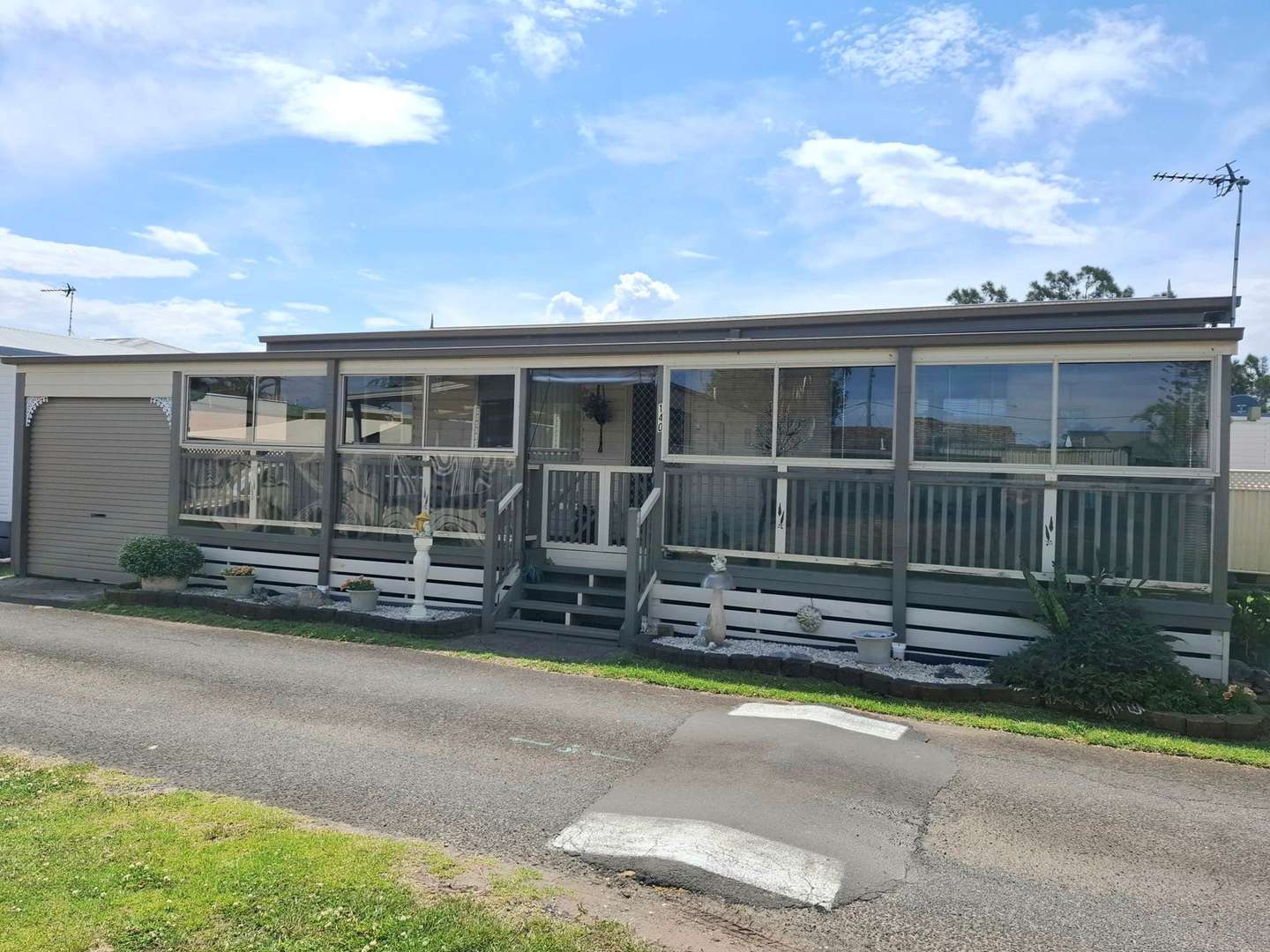
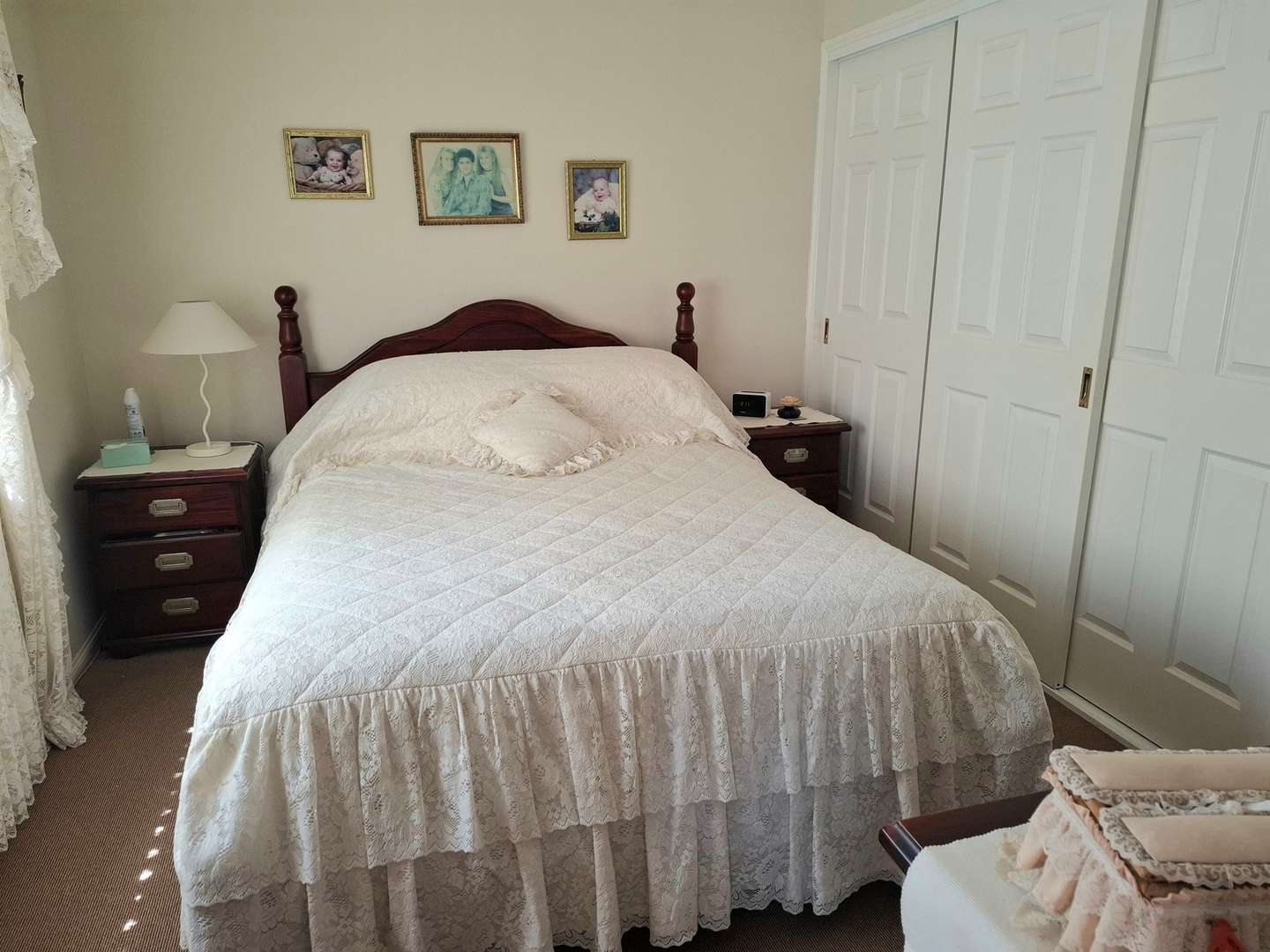
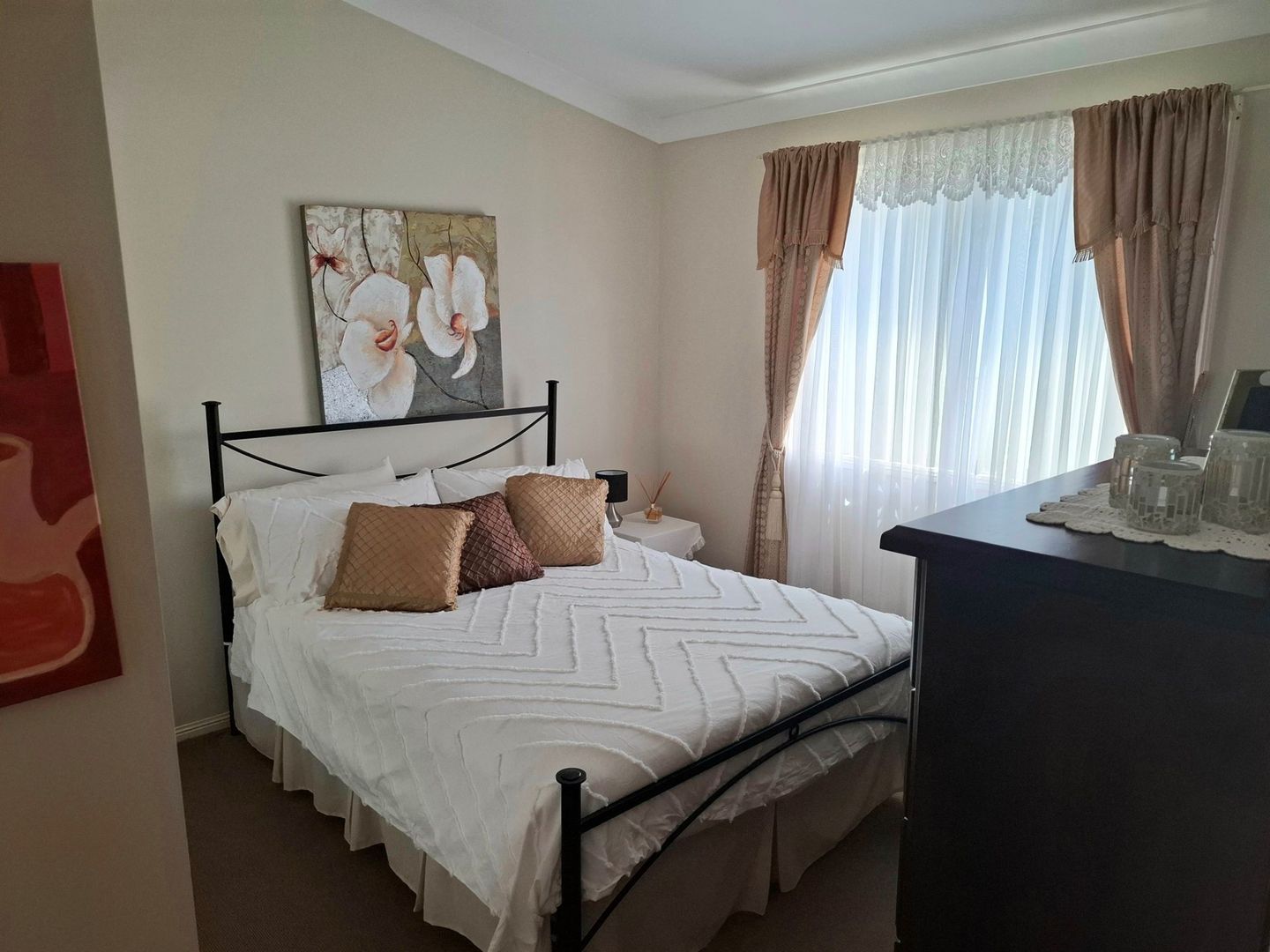
Retirement living has a strong presence here, with a number of villages and over 50s communities in and around the suburb. That gives buyers a real choice without leaving the area.
Windang suits people who want beach and lake on their doorstep and are happy to drive for big shopping trips. Visit on a winter weekday to see the quieter side of the suburb.
For a small suburb, Windang has a lot of retirement housing, and the nearby Illawarra suburbs add more.
Retirement villages lead the market. Most offer independent living units or villas, with gardens, a community centre and organised activities. In the Illawarra, some villages are run by not-for-profit providers, and some form part of larger sites that include serviced living or aged care. That can mean an easier move if your needs change.
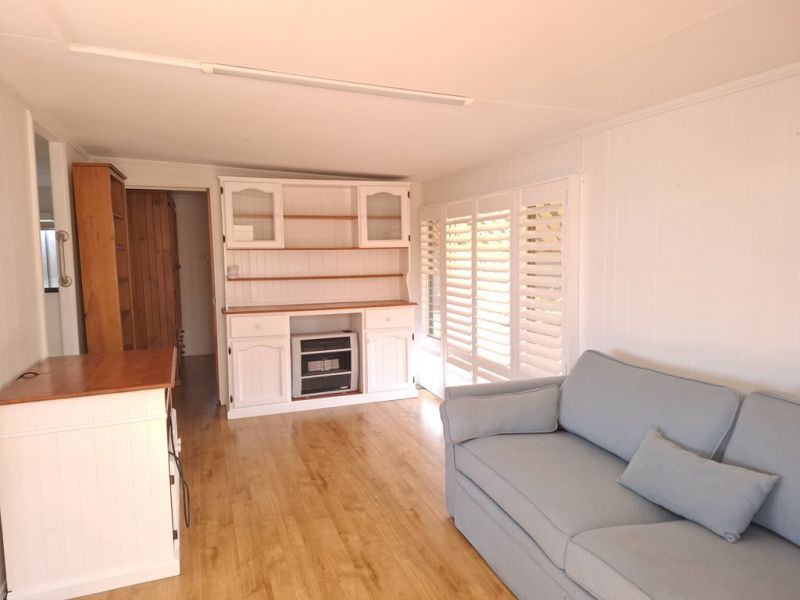
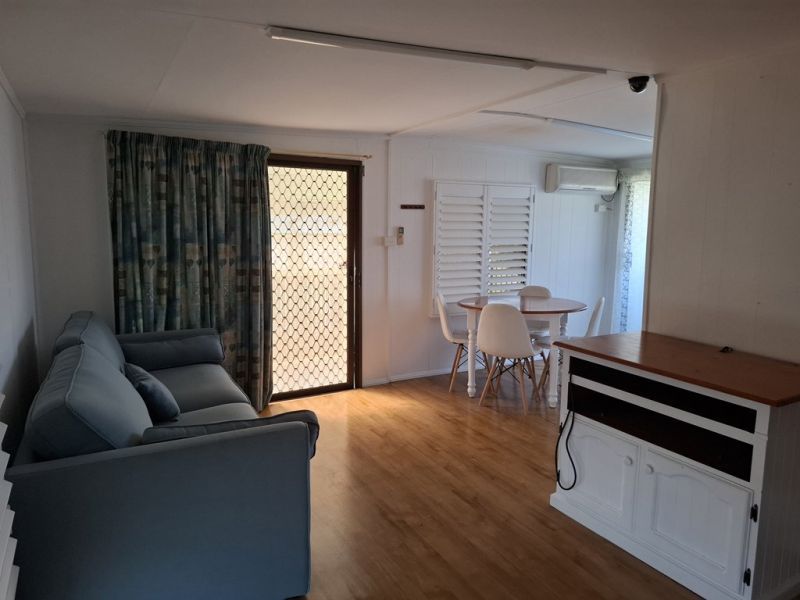
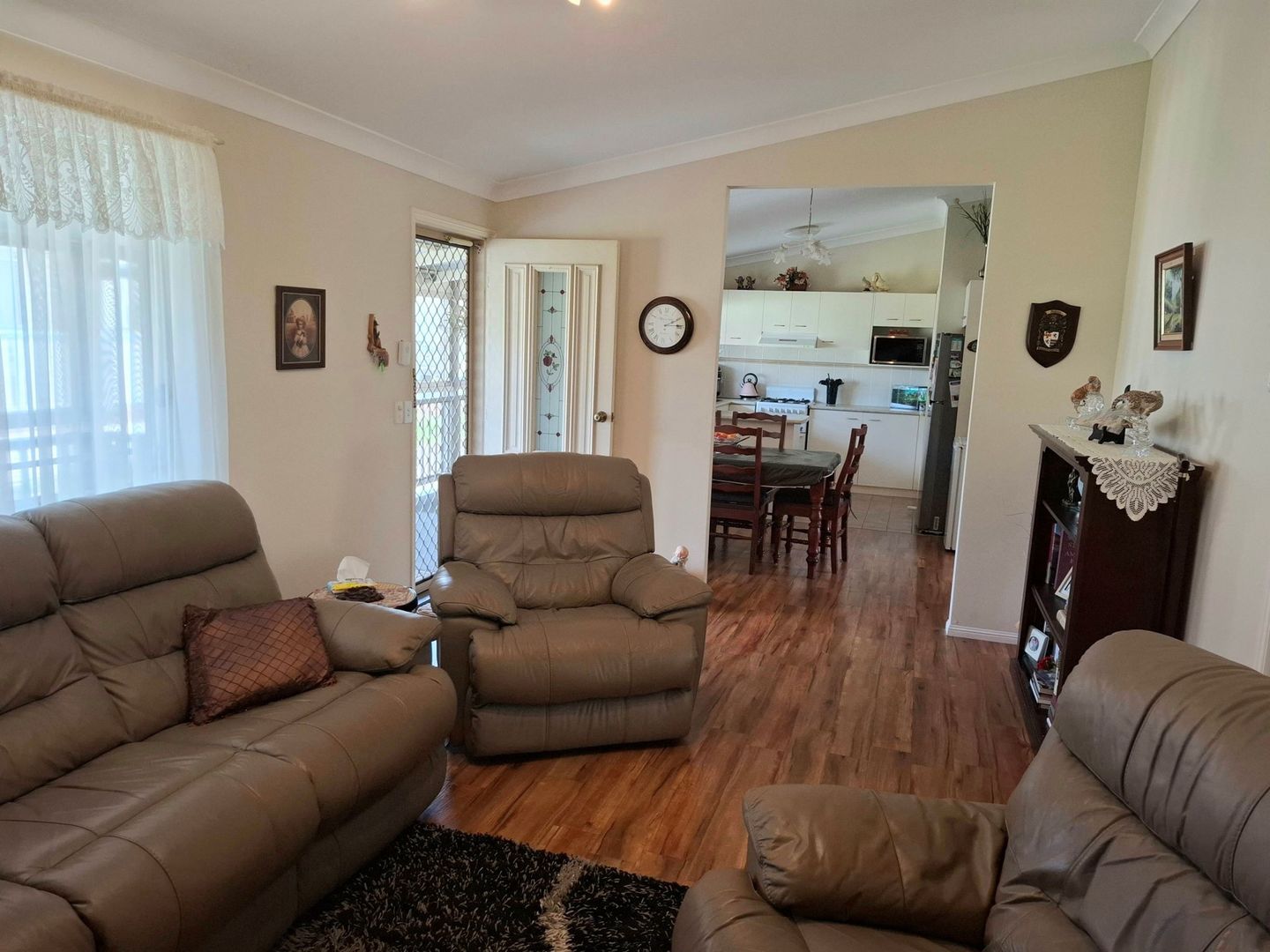
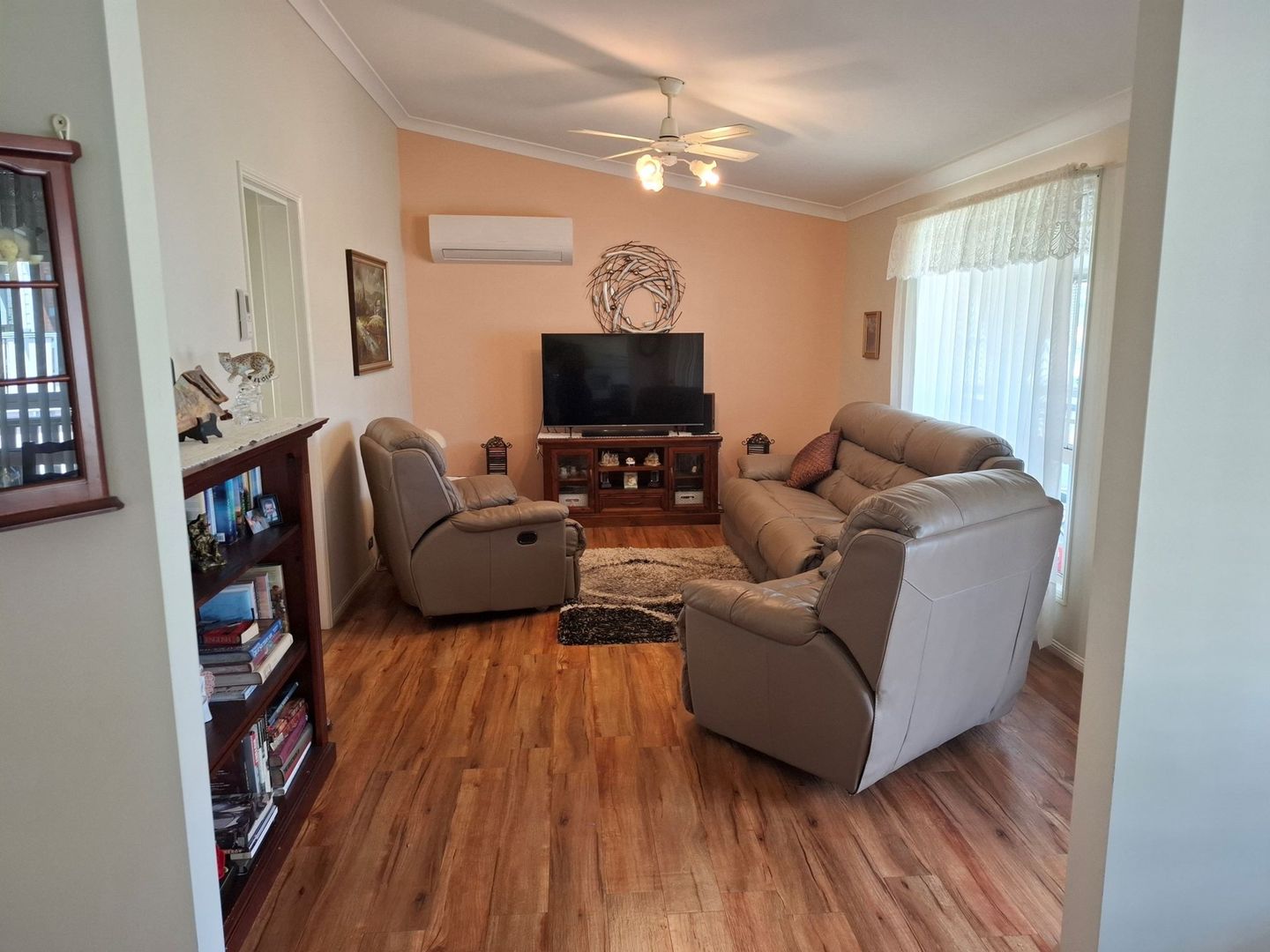
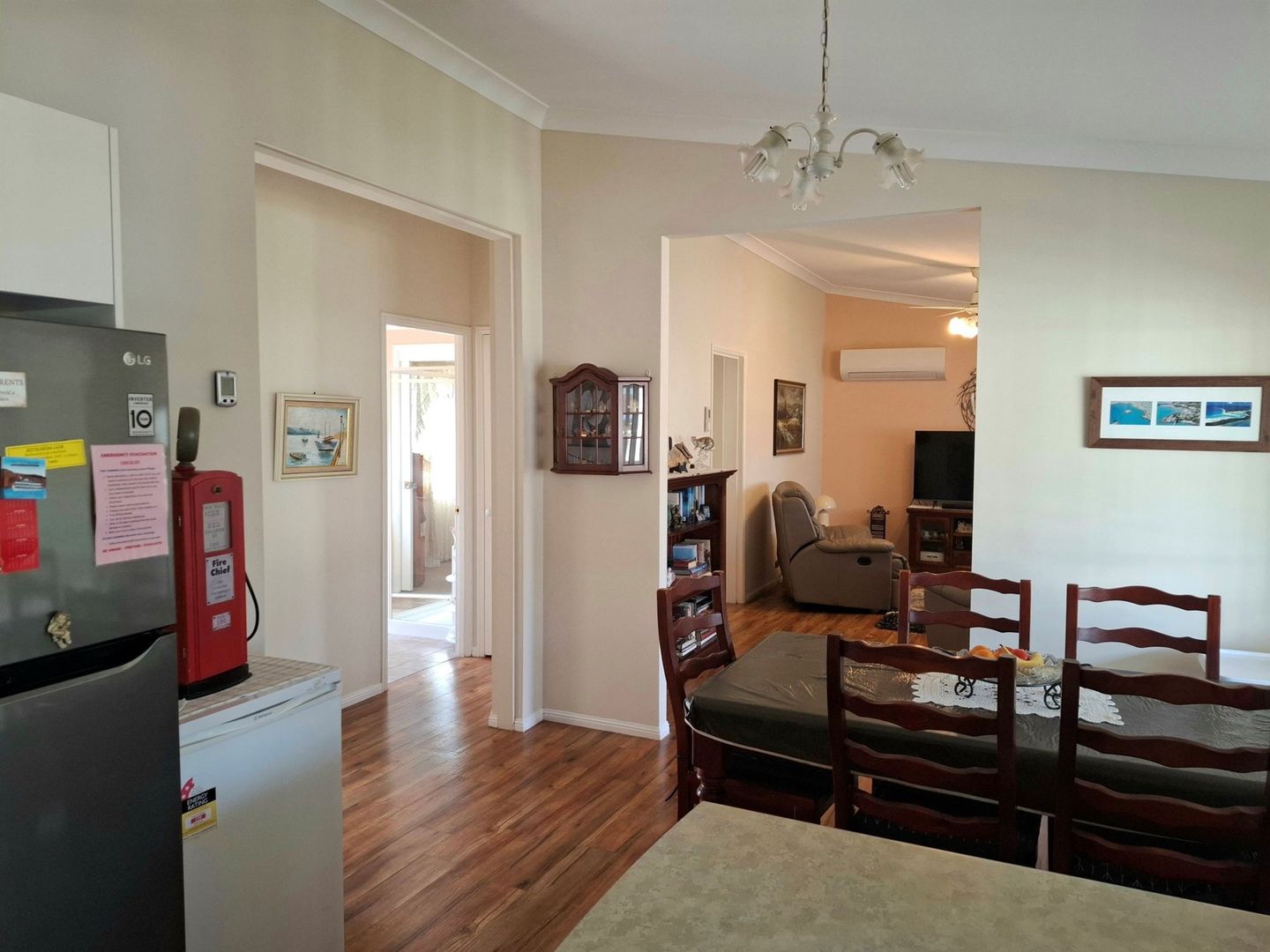
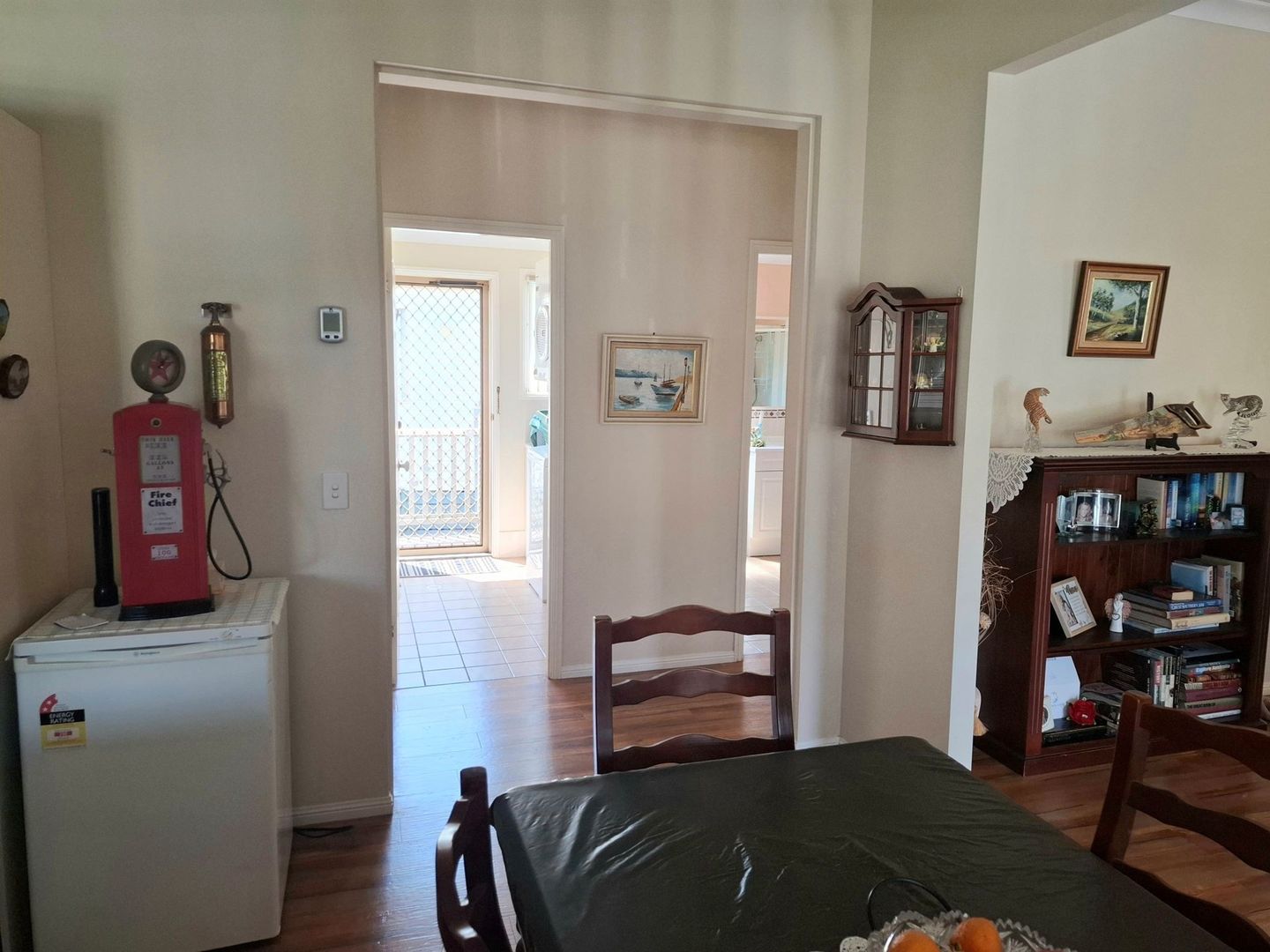
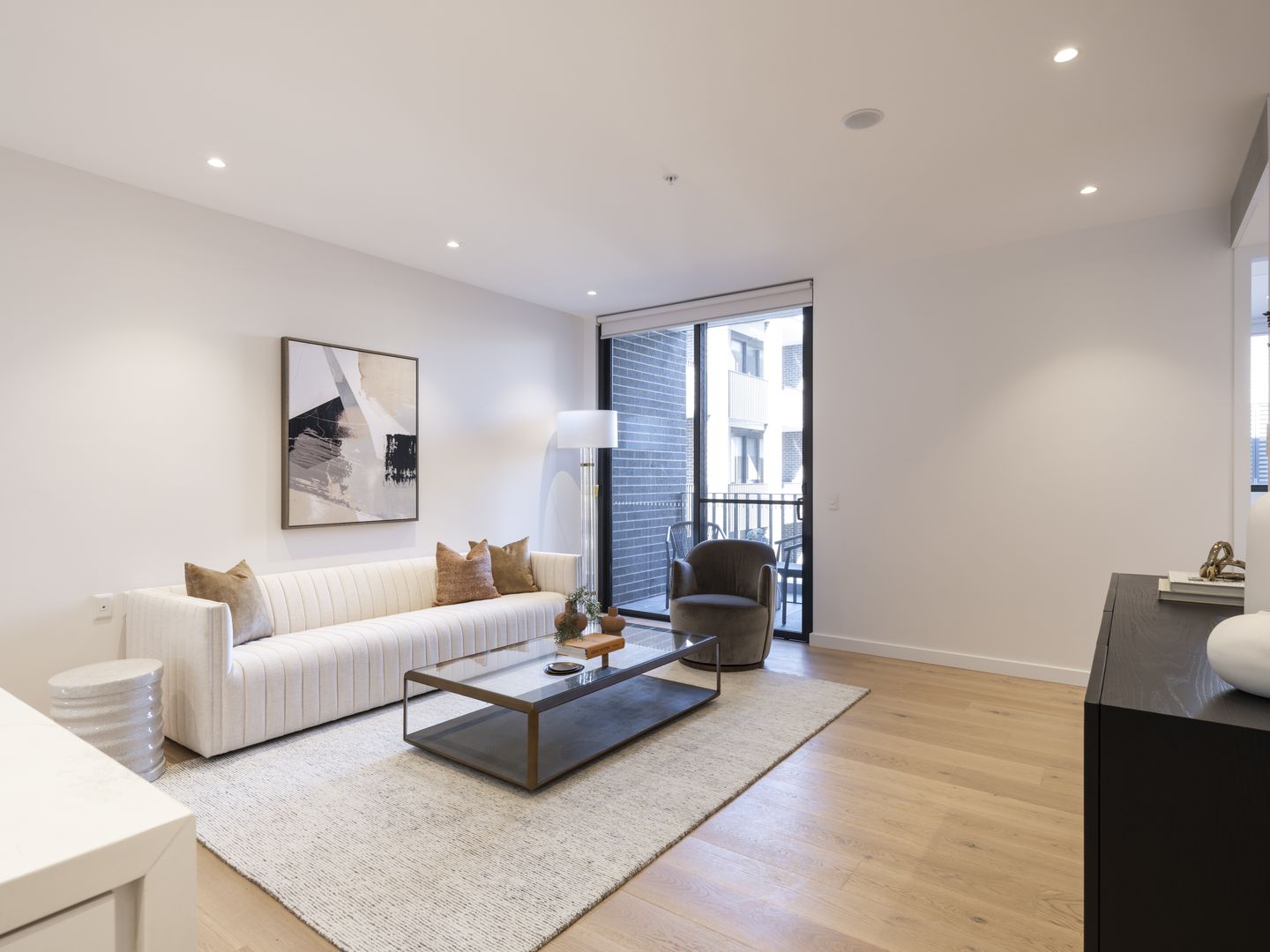
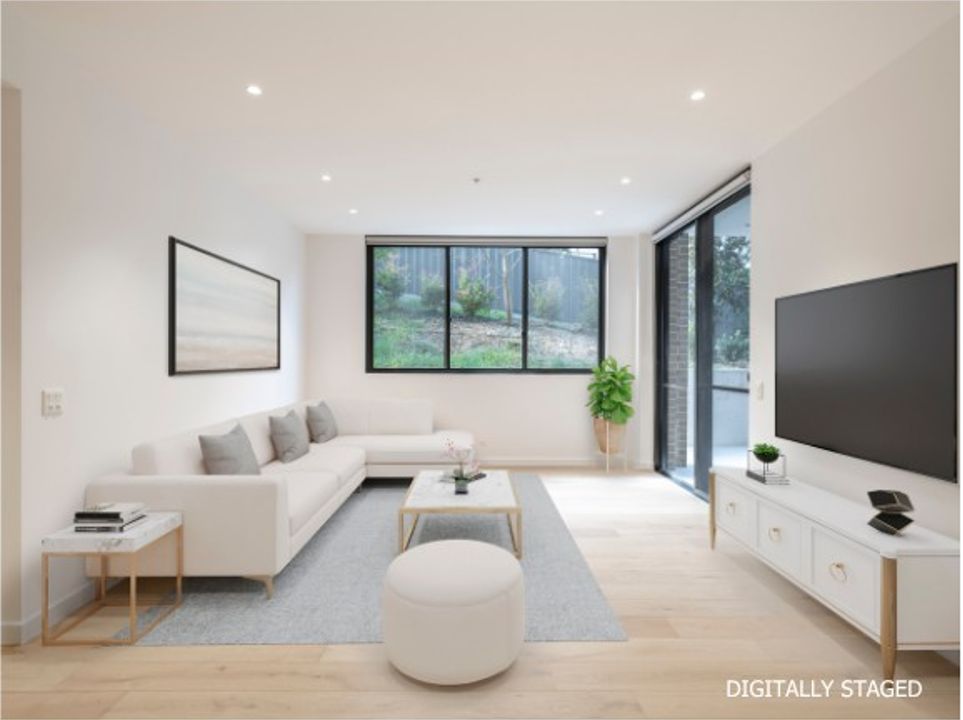
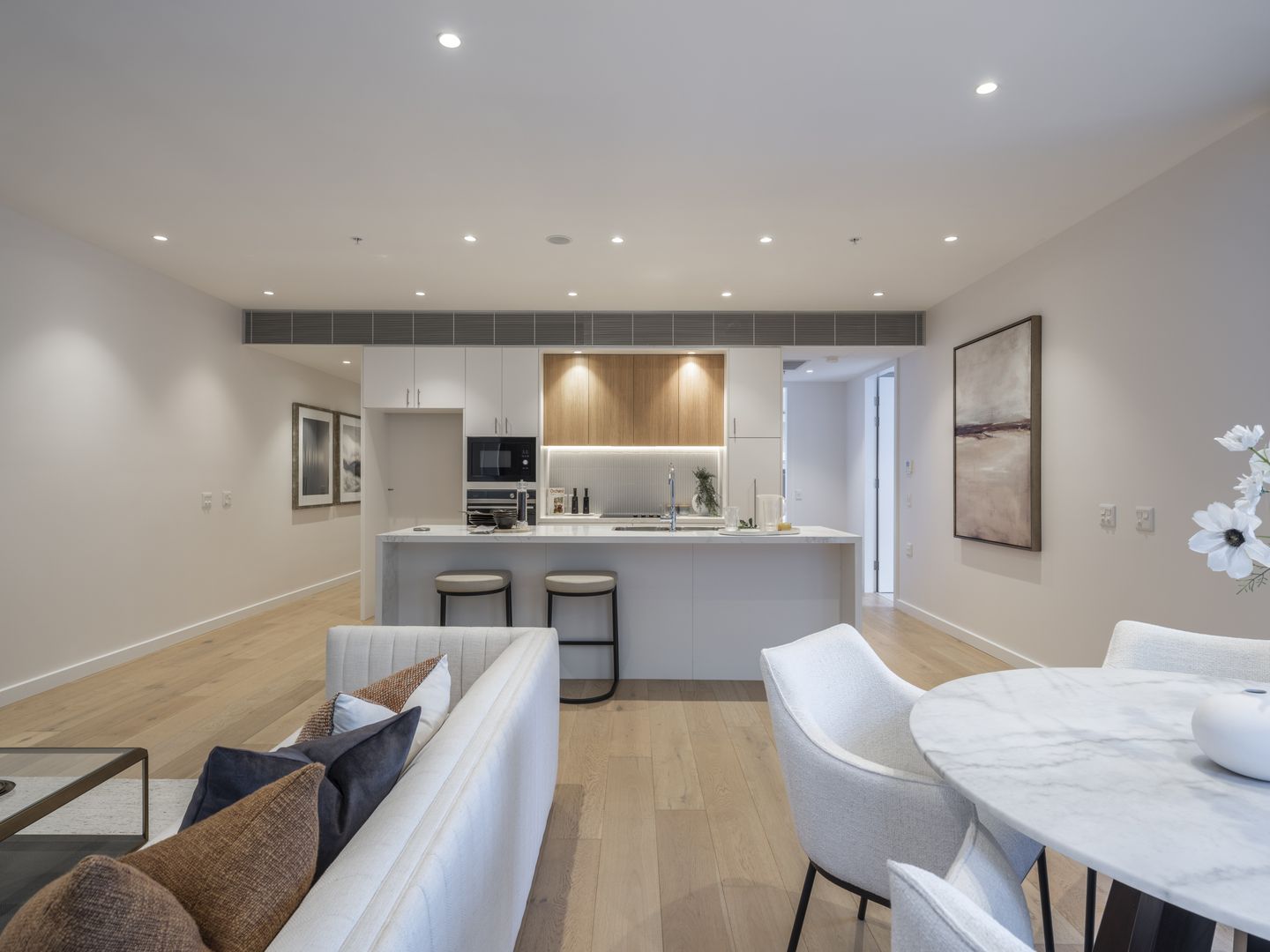
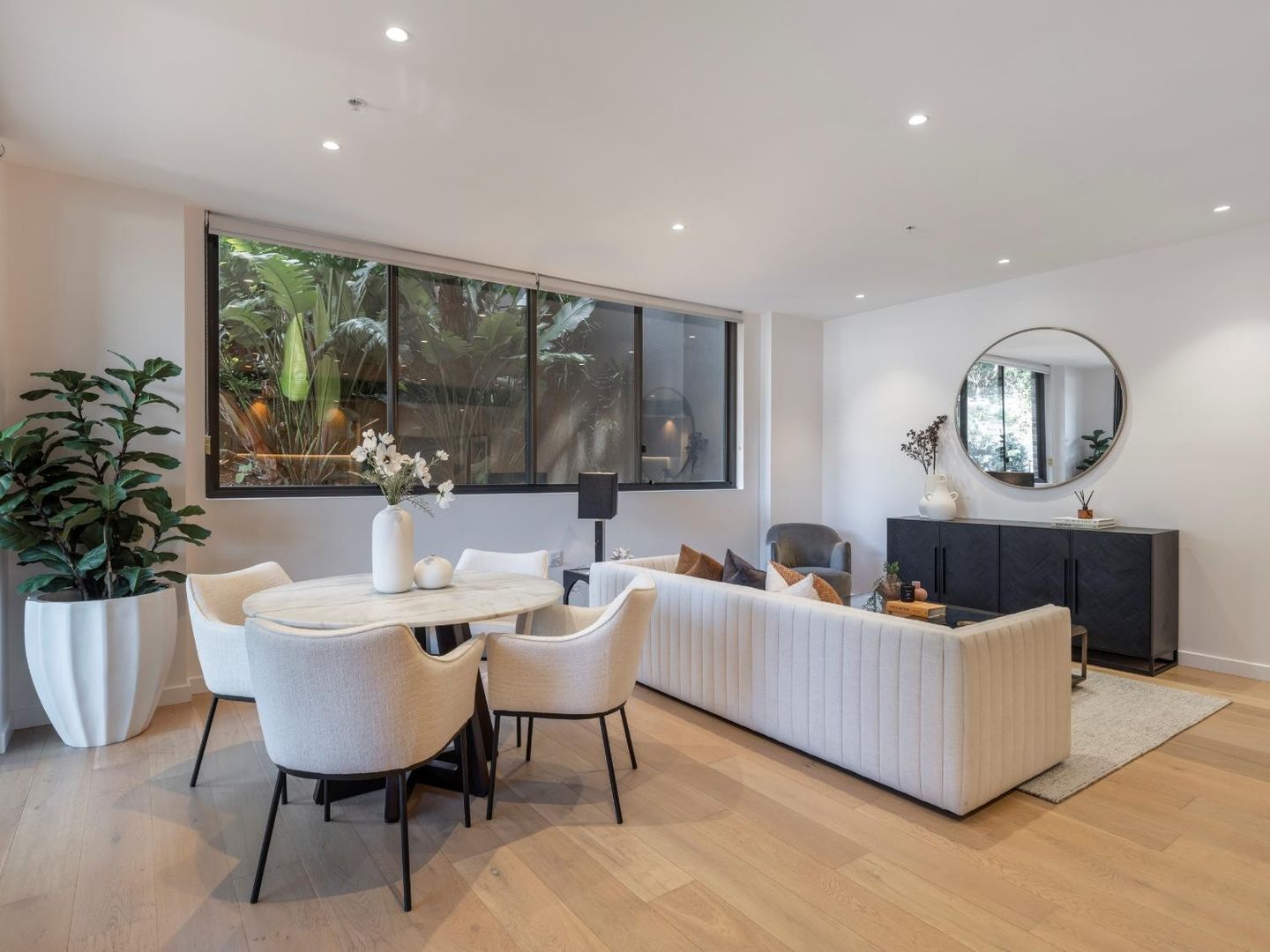
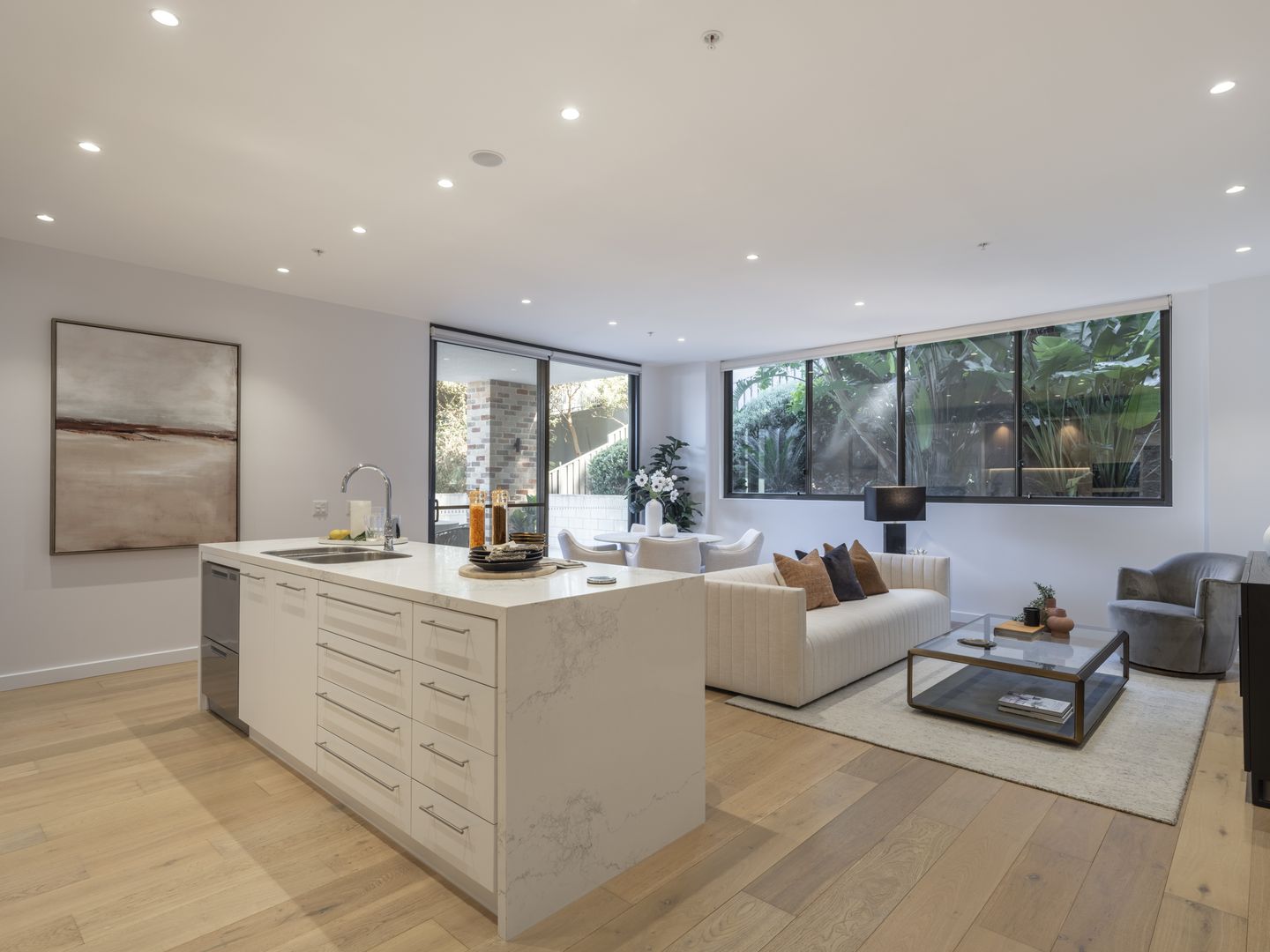
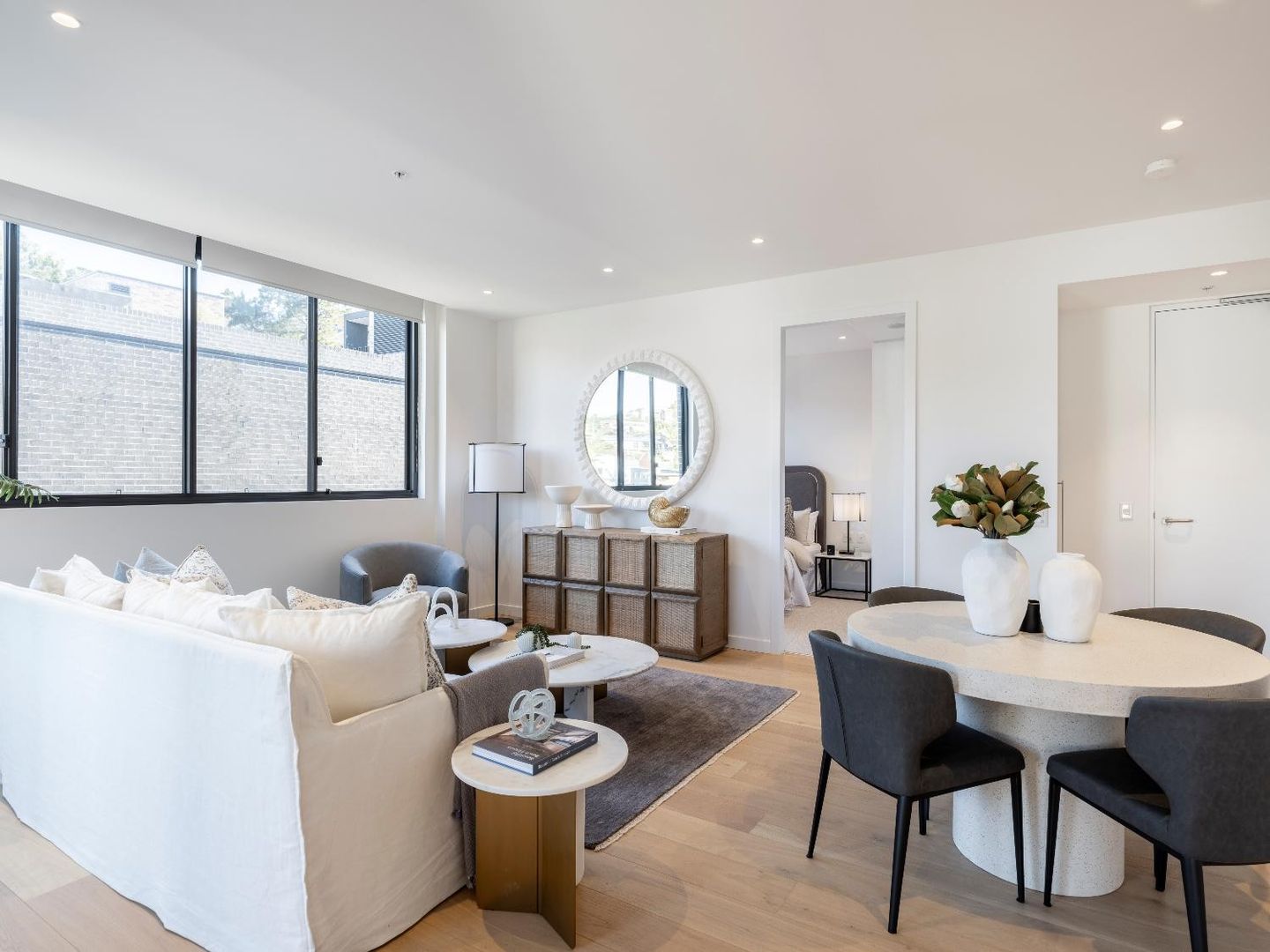
Independent living units suit people who want their own front door and privacy, with neighbours close by. Most are single-level and compact, so cleaning takes an hour, not a day.
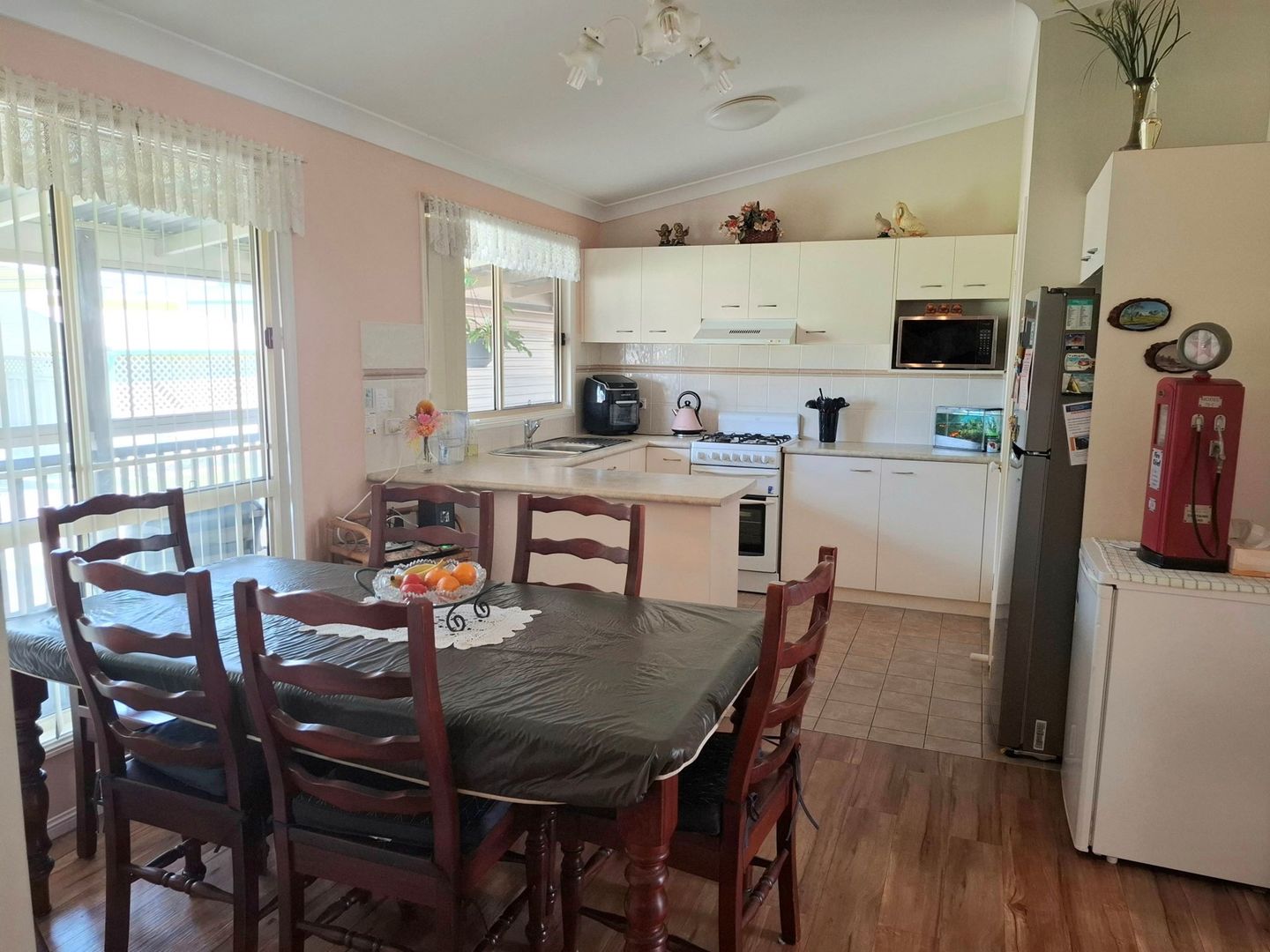
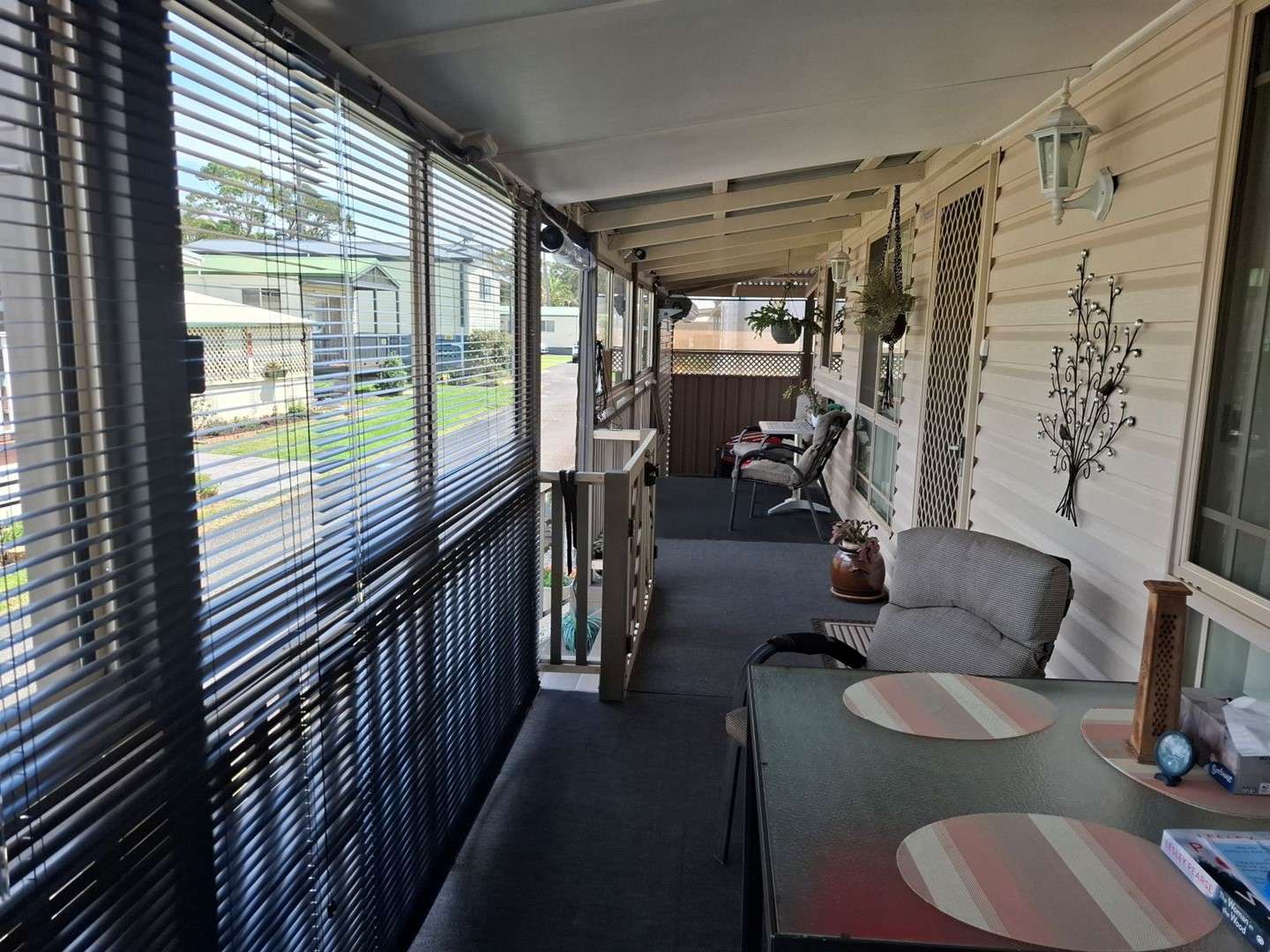
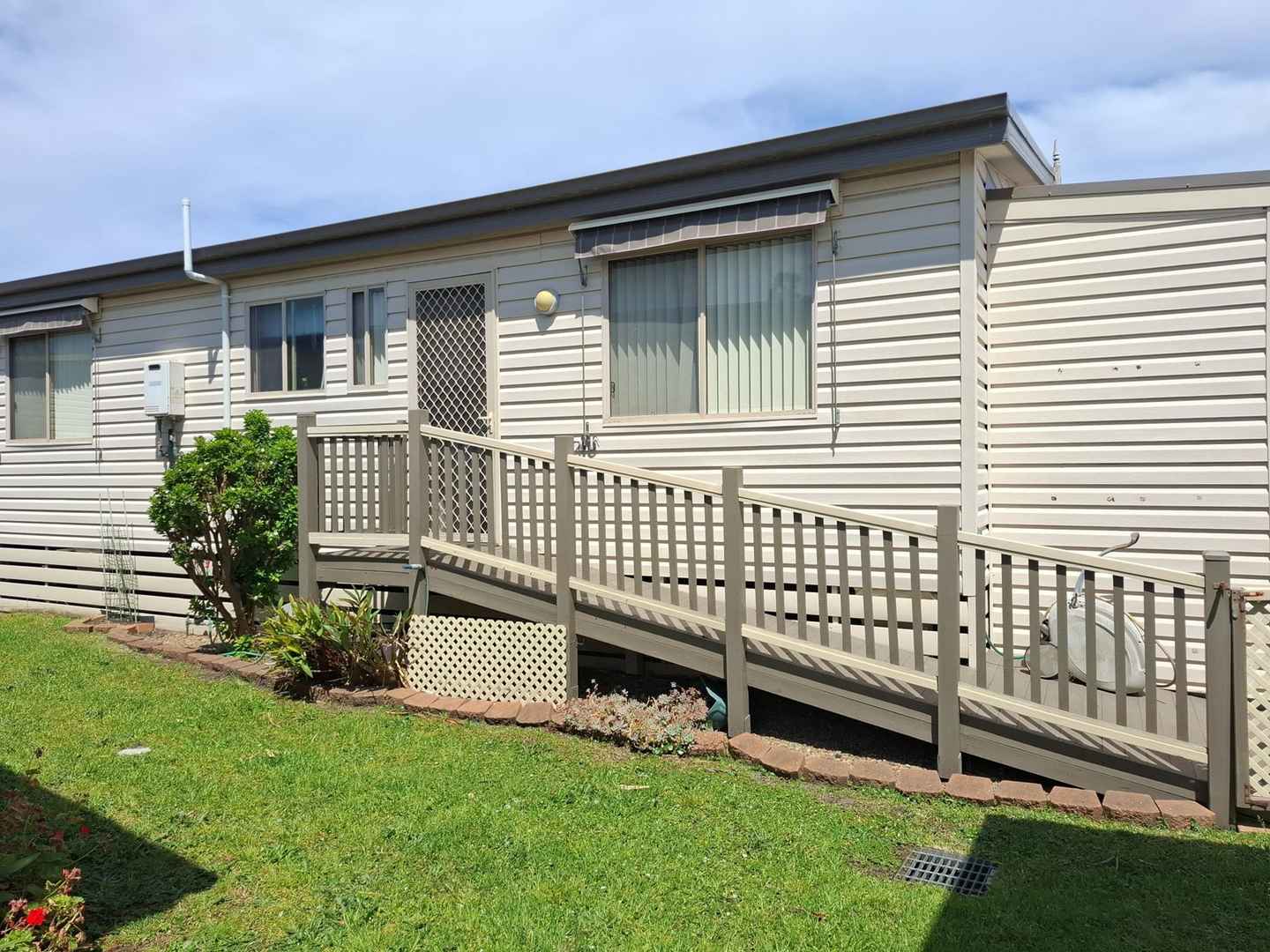
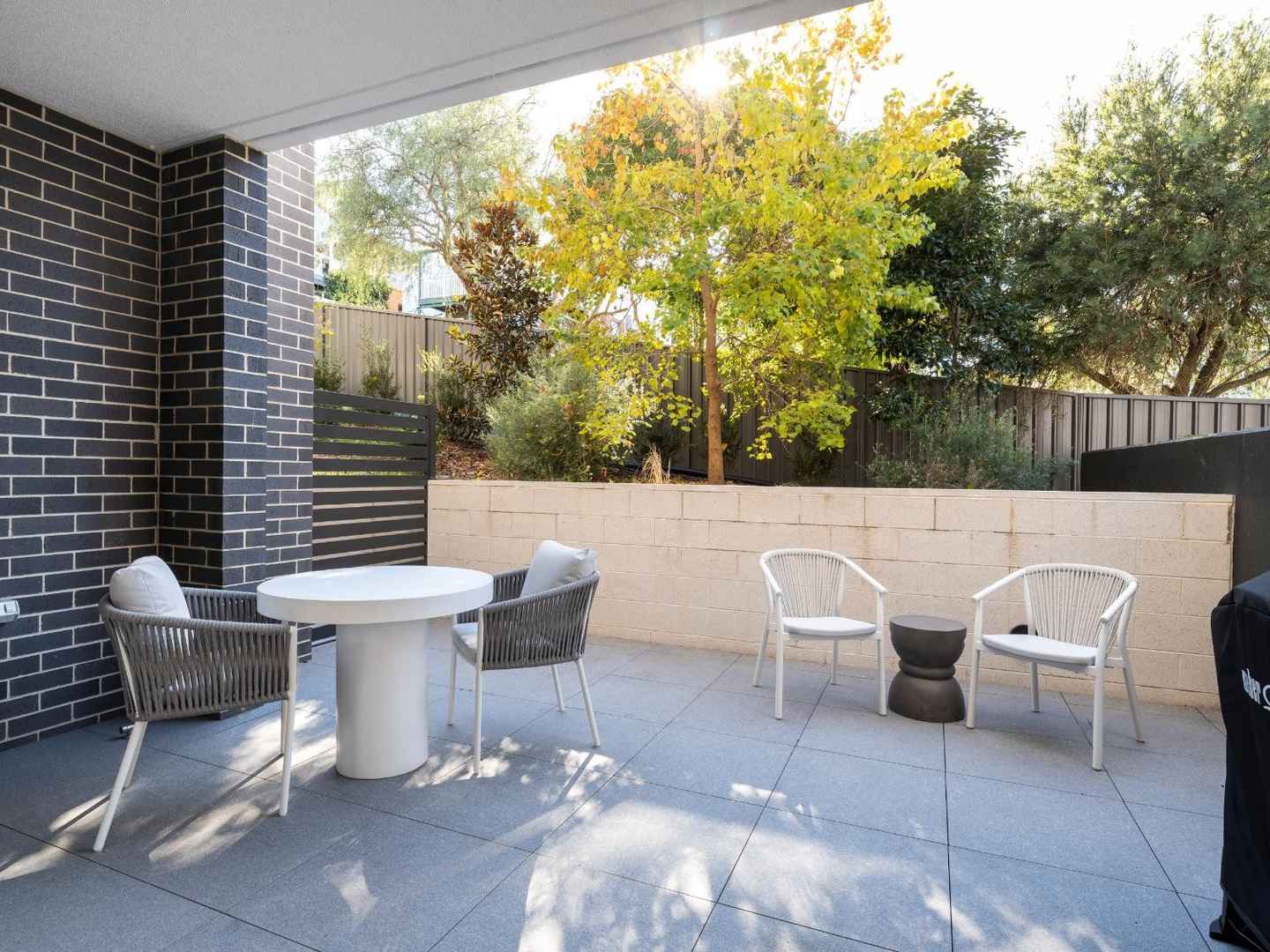
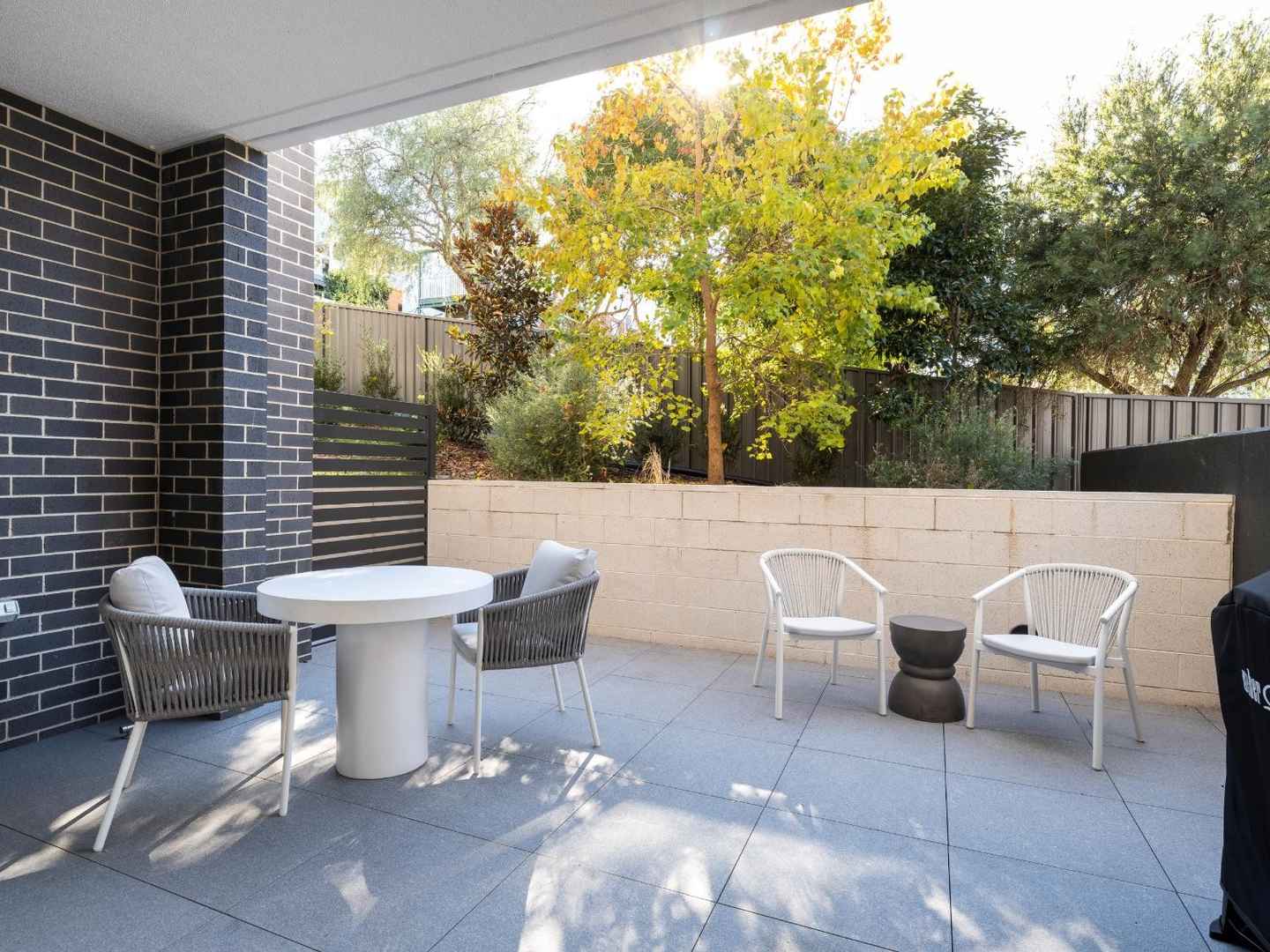
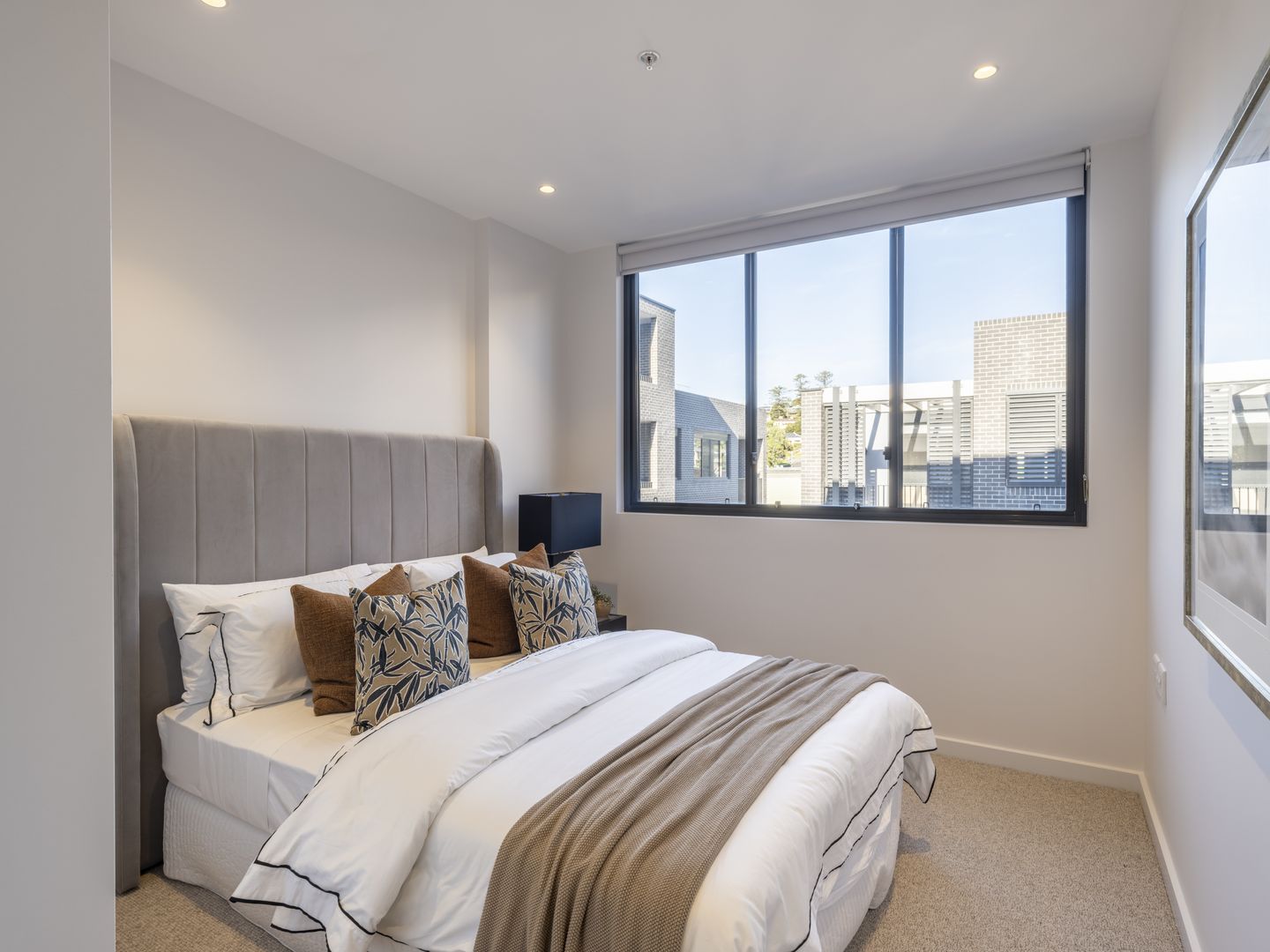
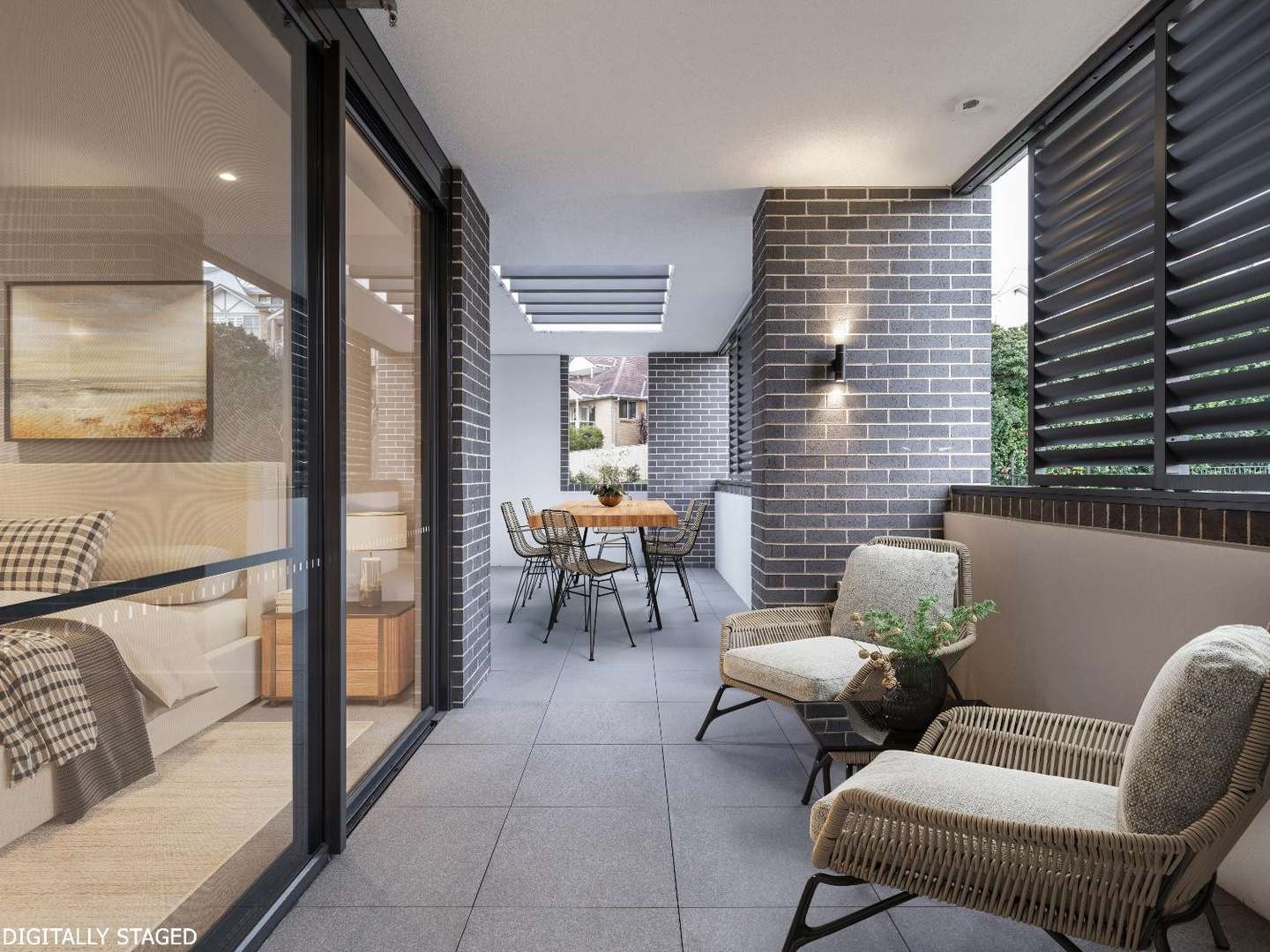
Villas and small houses give you a little more room for a garden, a hobby room or a spare bed for the grandkids. Some are a short walk from the beach or lake.
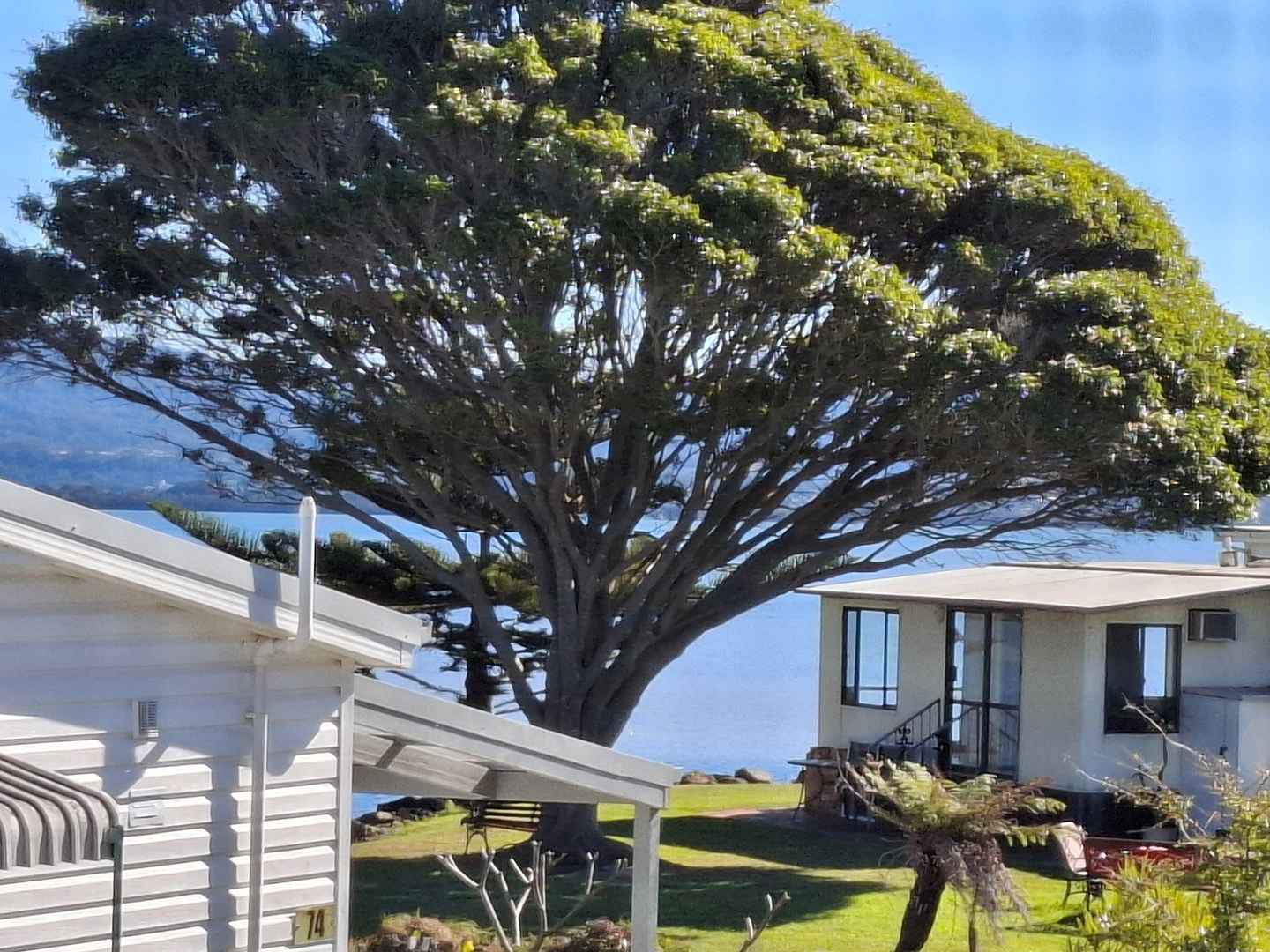
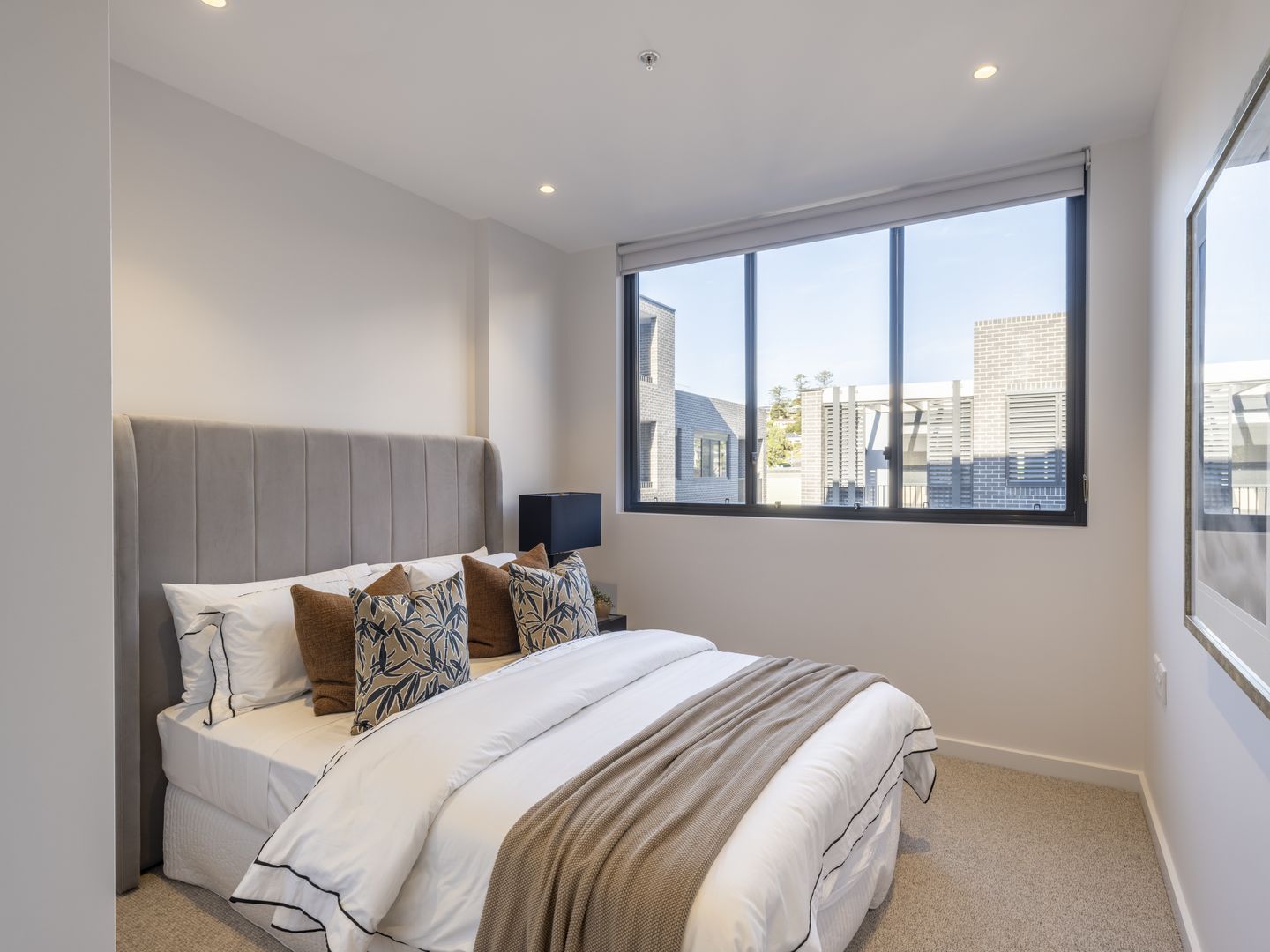
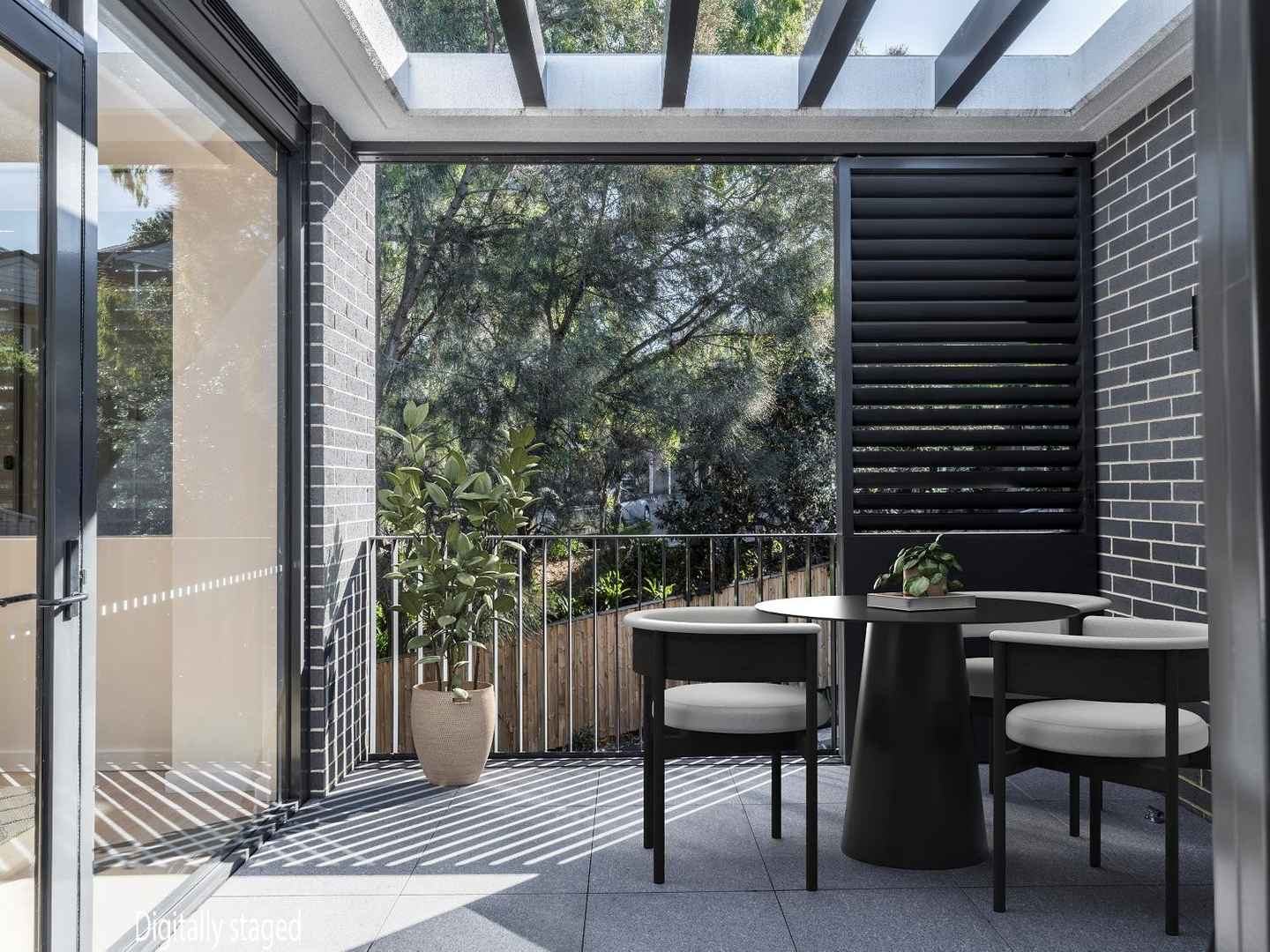
Apartments are fewer but offer lock-and-leave living. A few have views over the lake or ocean.
Ownership differs between properties. Village homes are often held under a lease or licence, while other properties are strata title. The difference affects what you pay on exit and how resale works, so find out which model applies before you get attached to a unit.
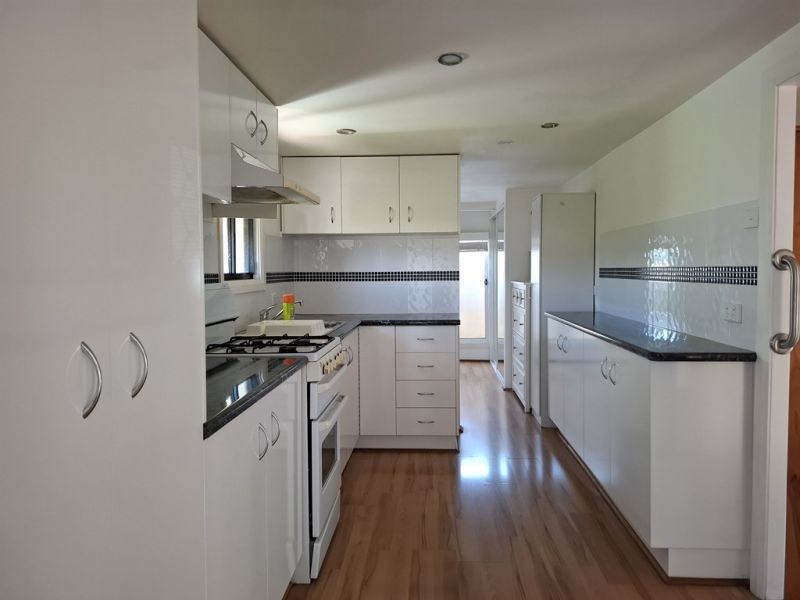
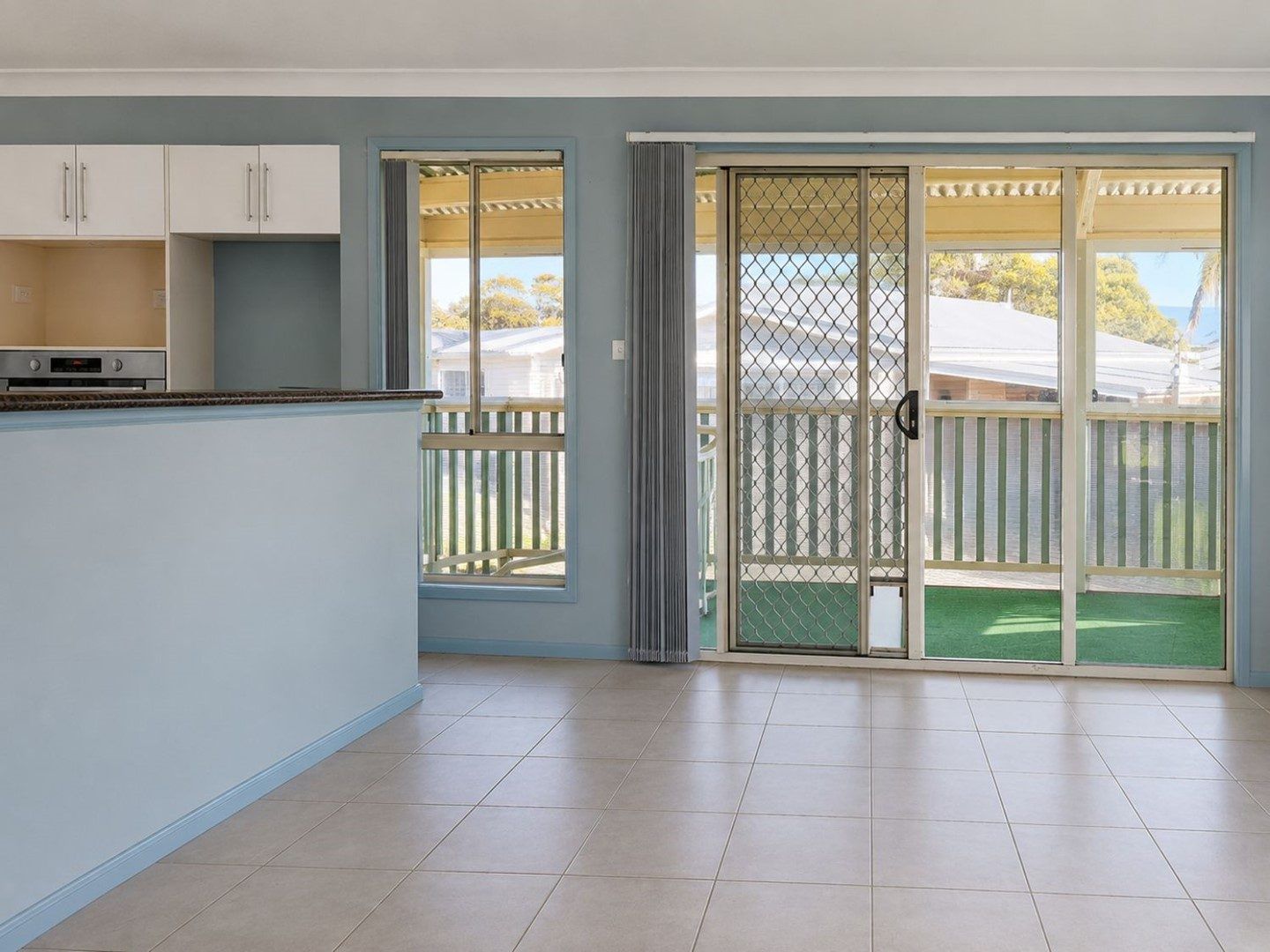
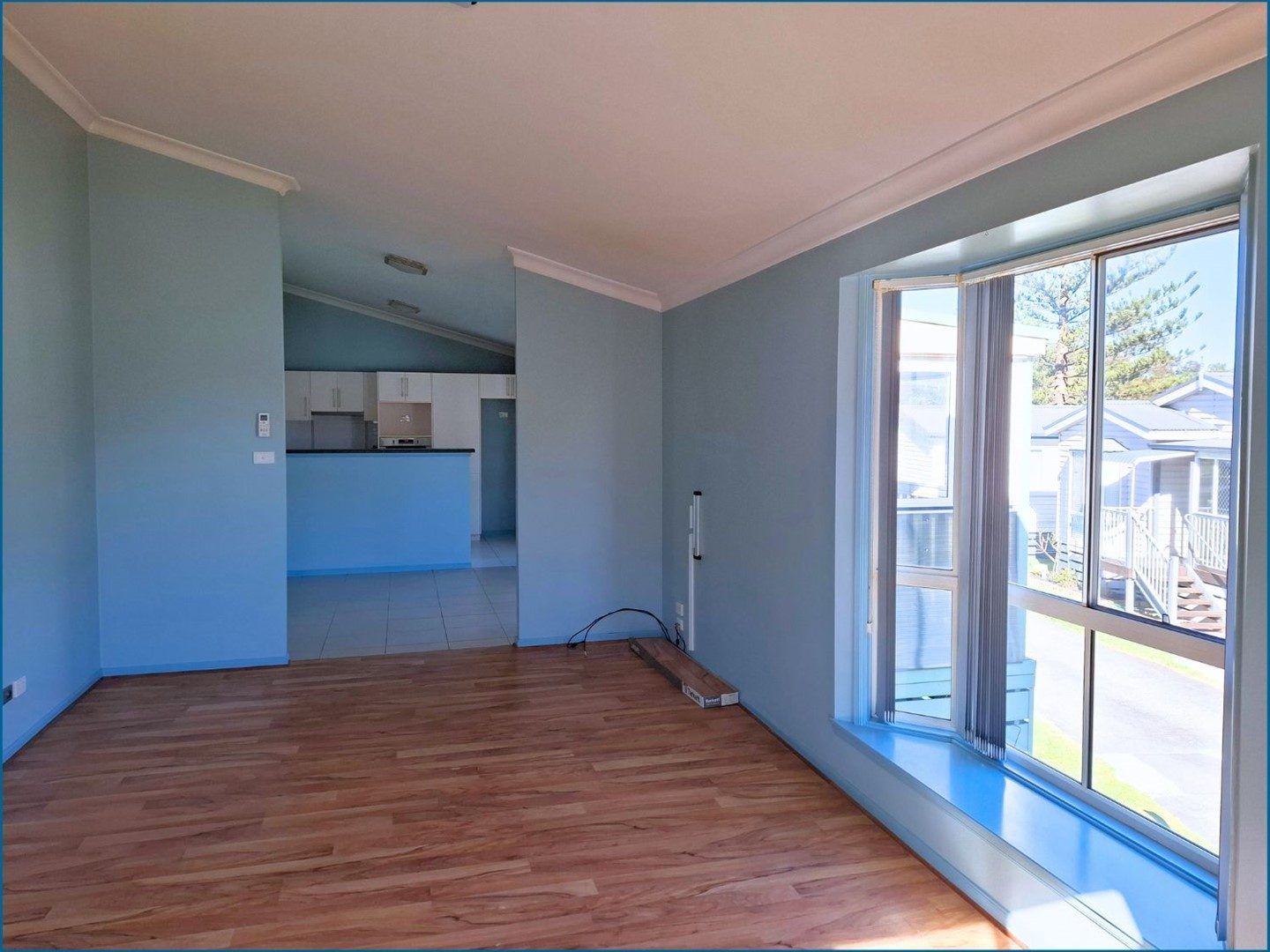
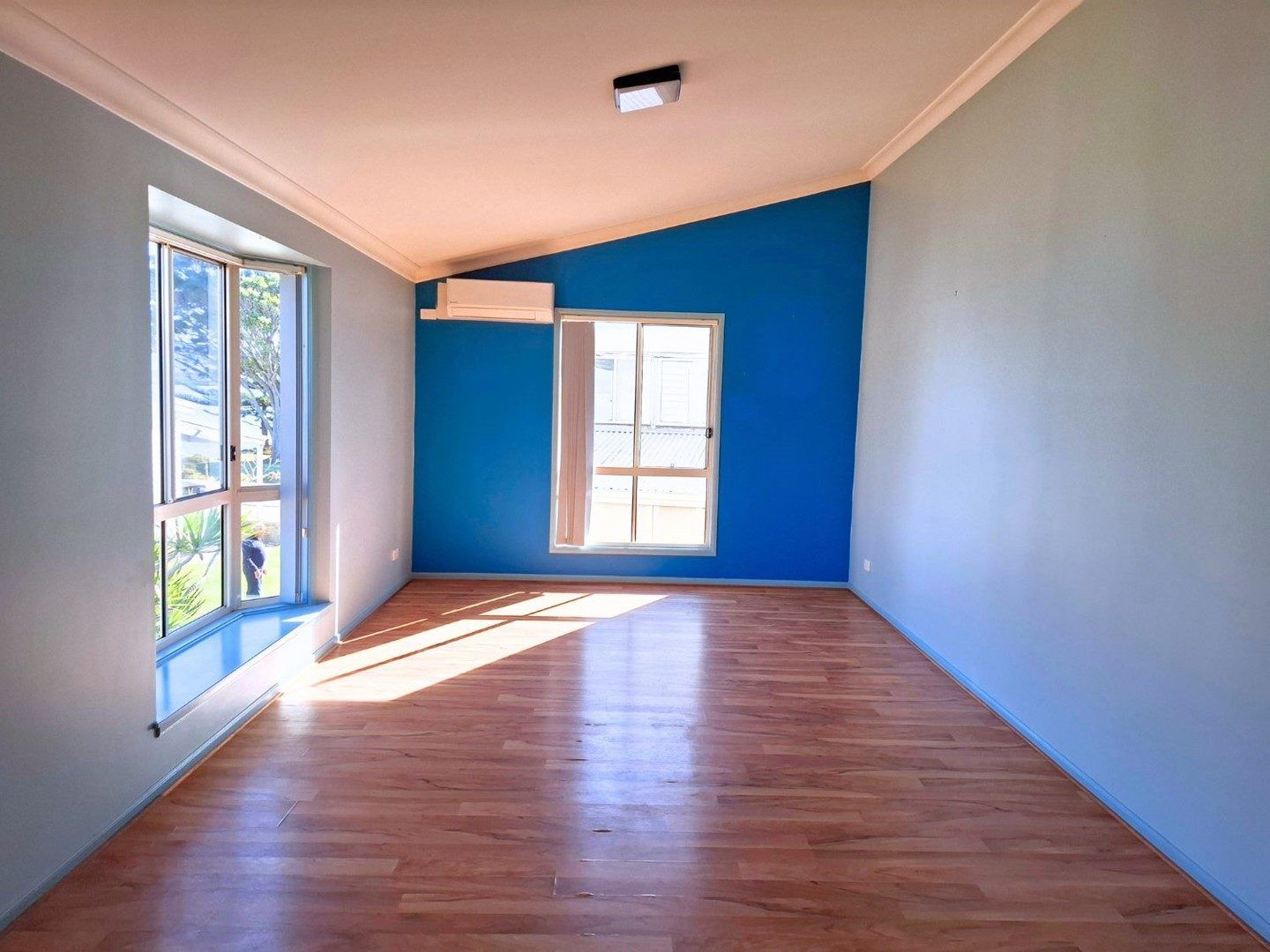
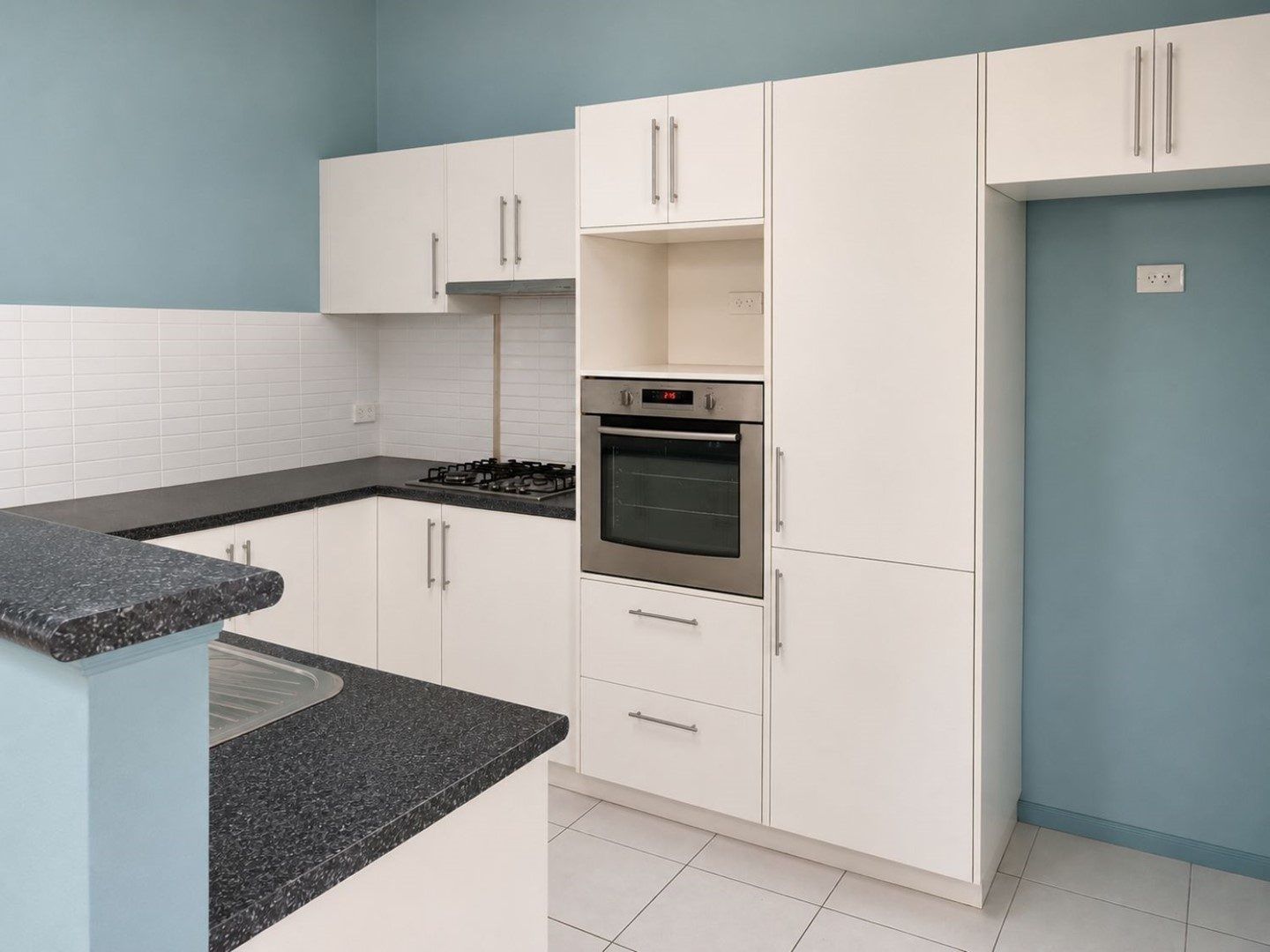
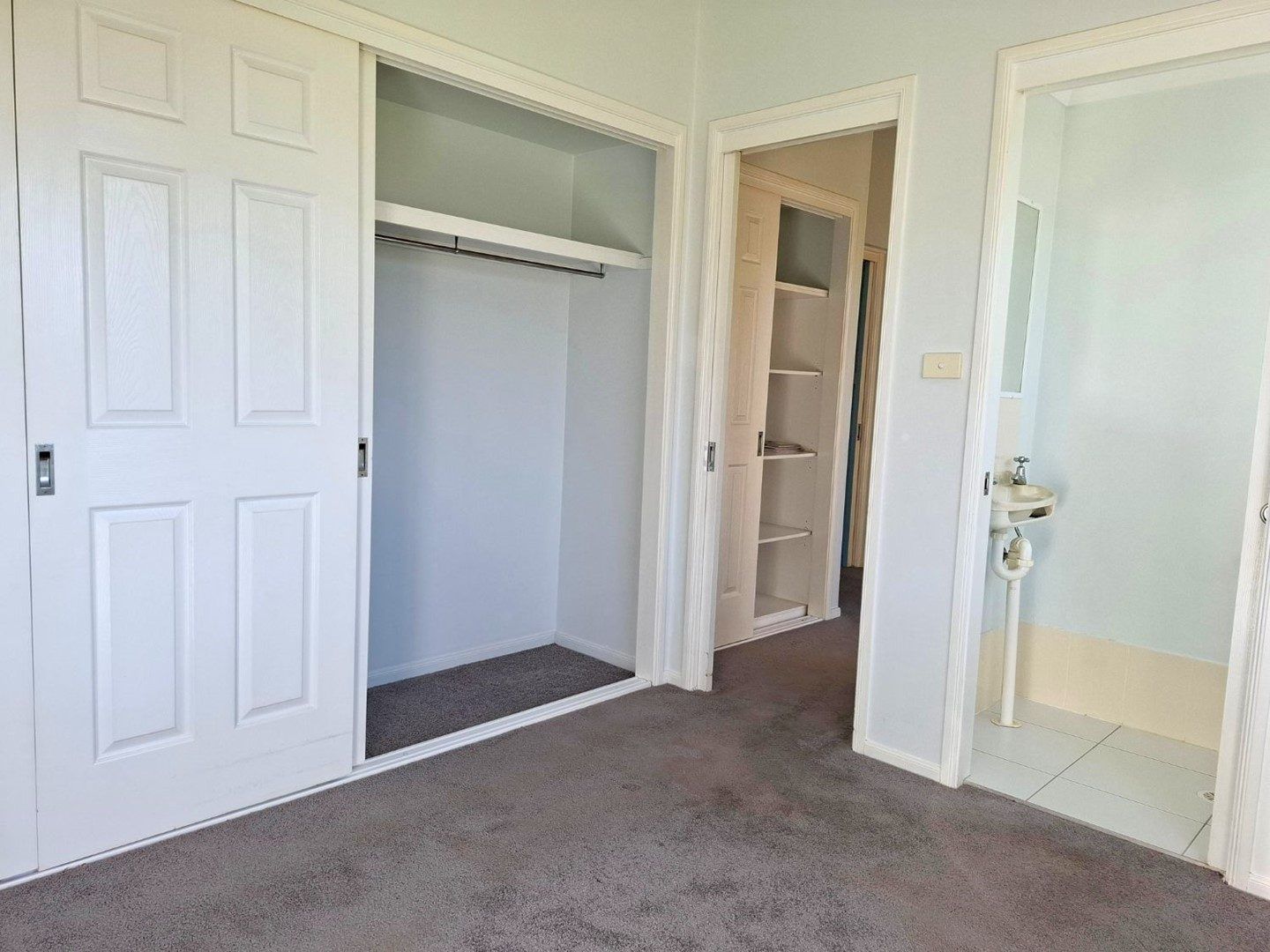
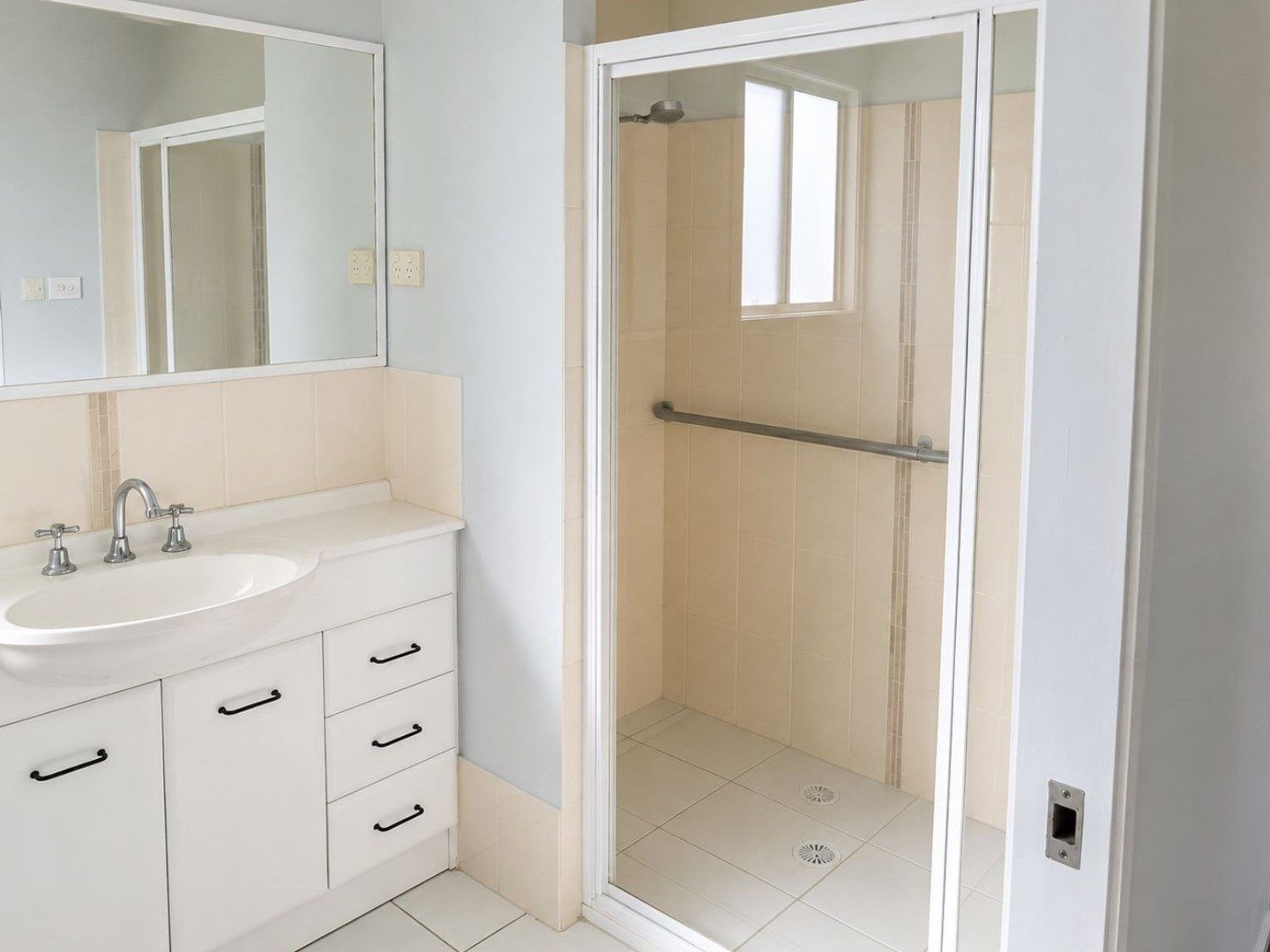
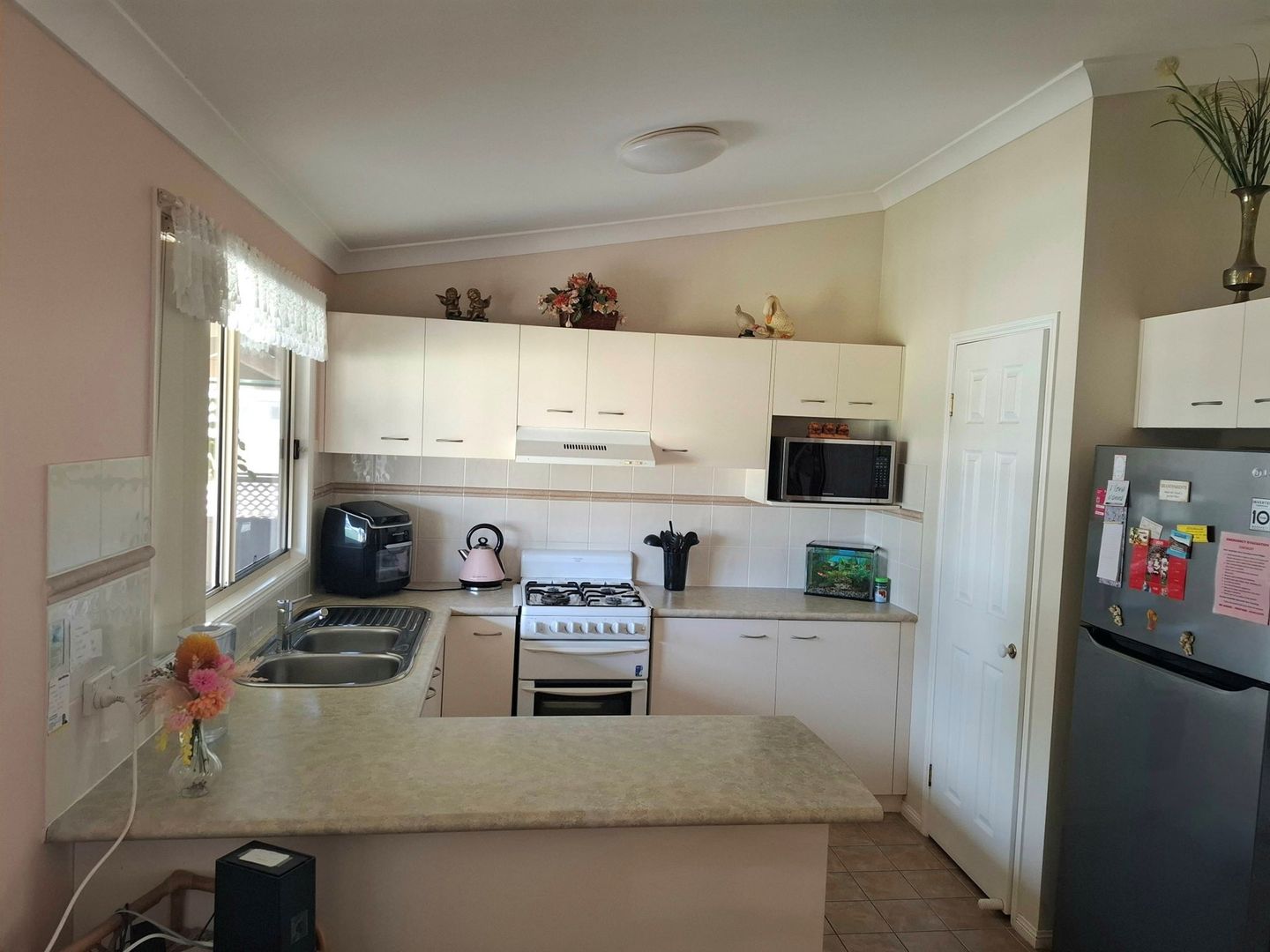
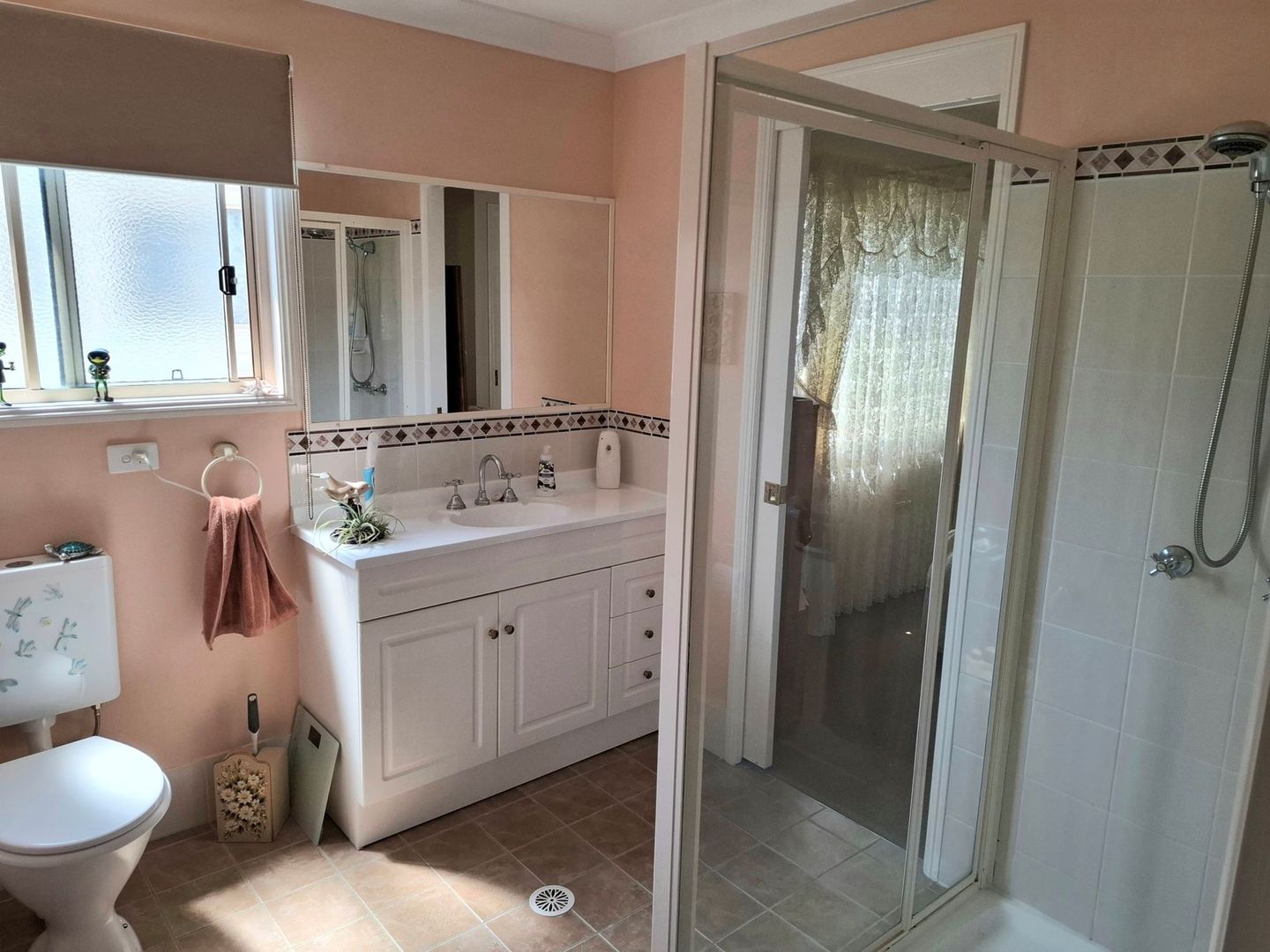
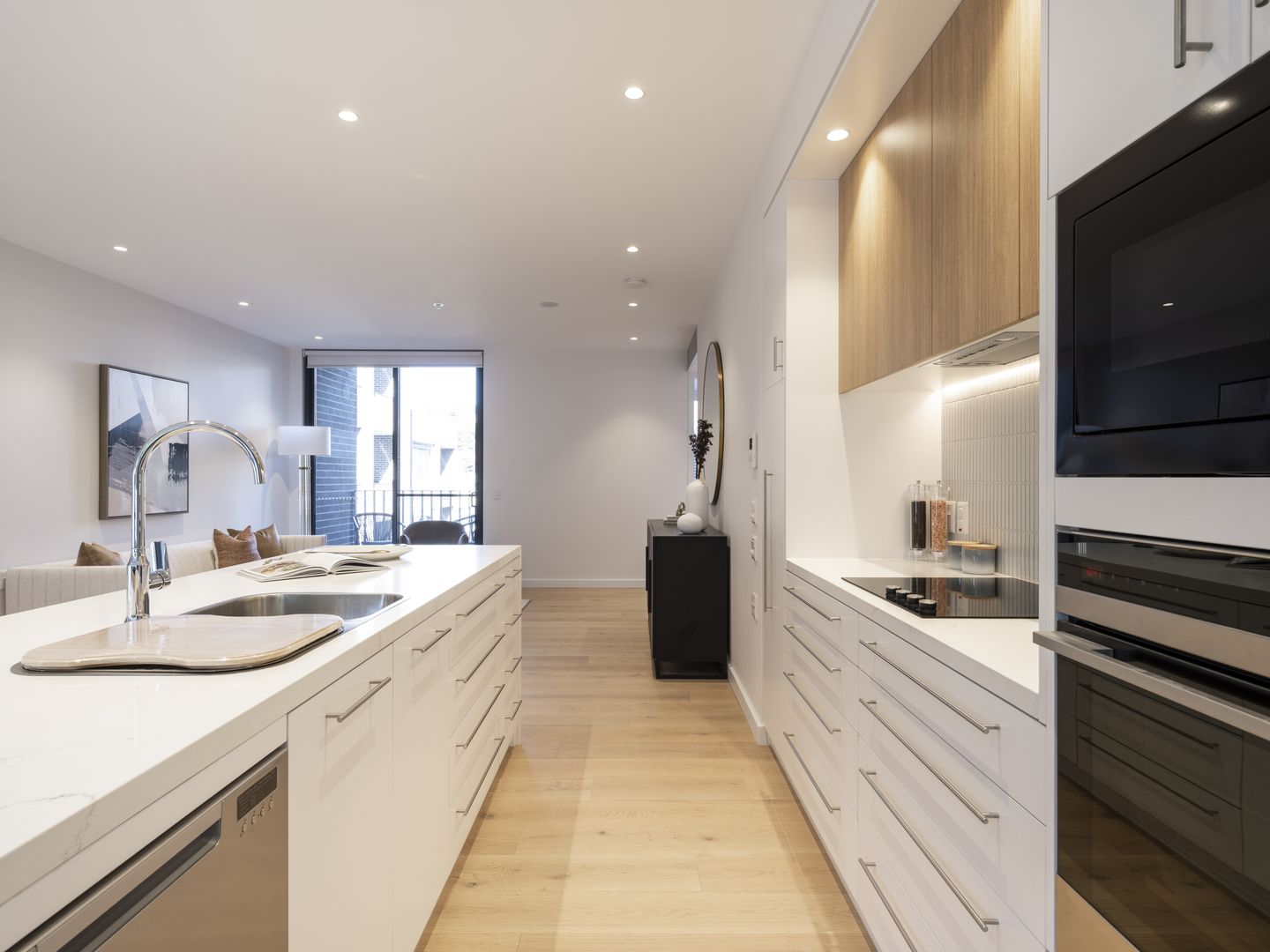
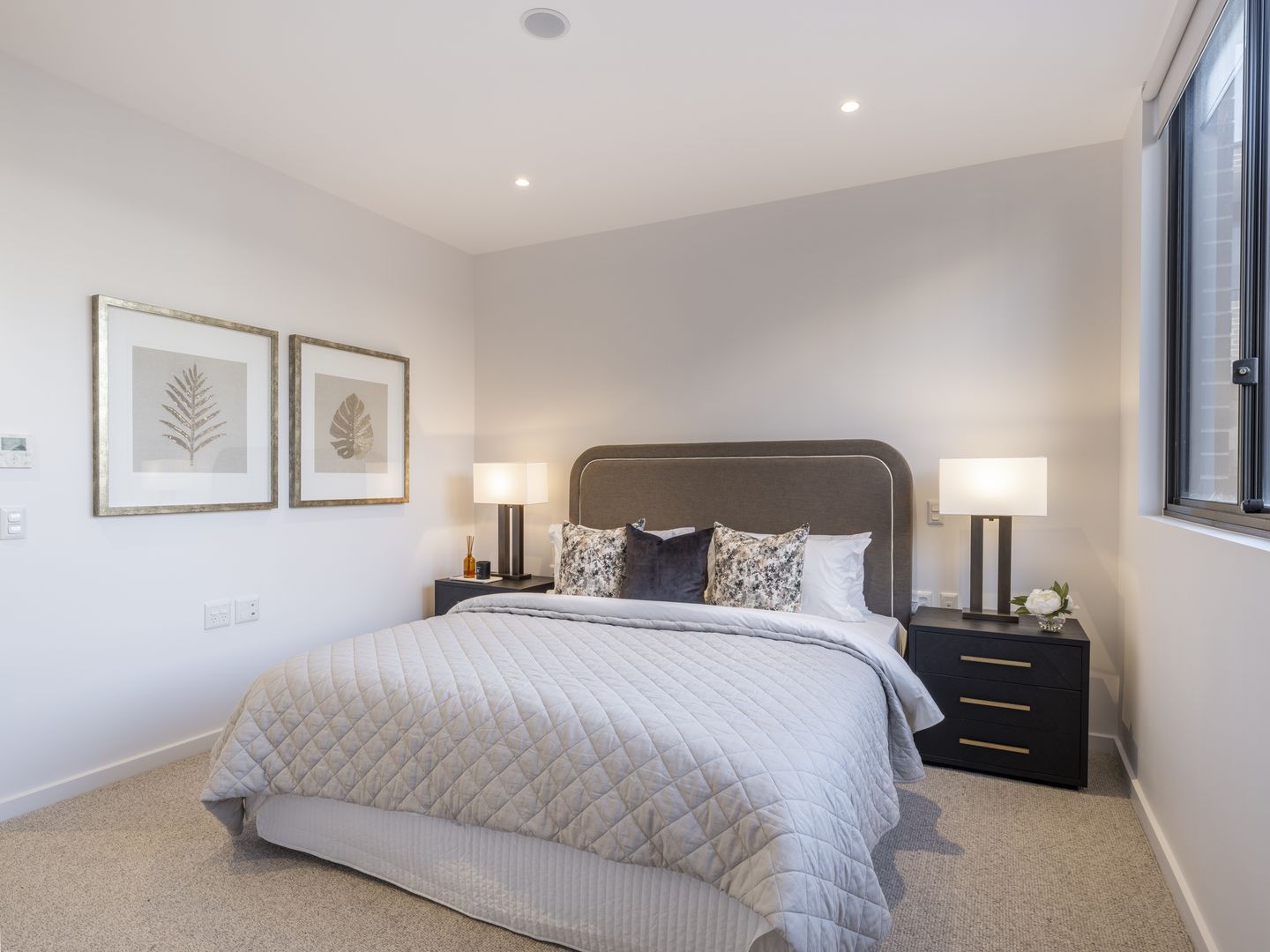
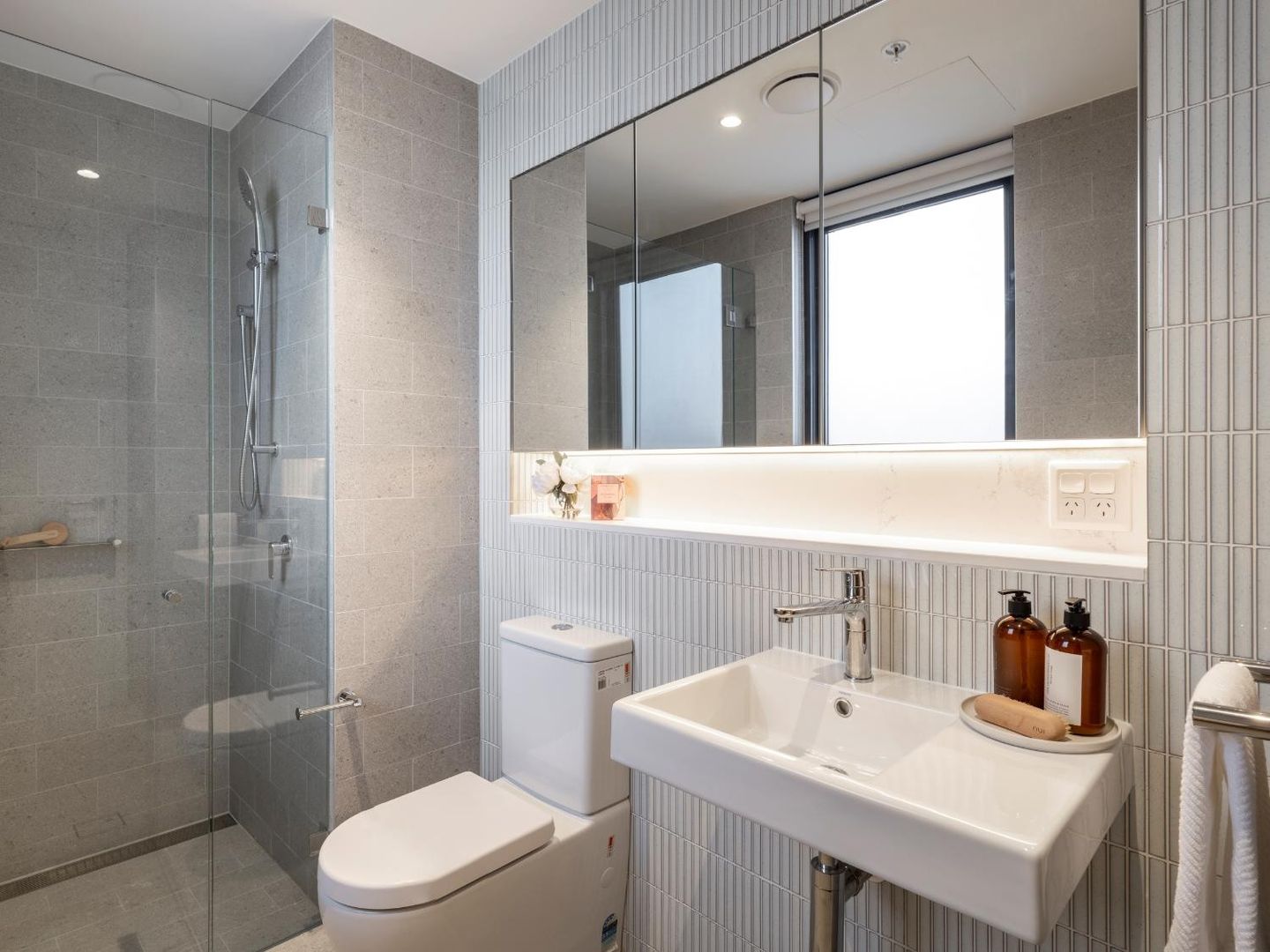
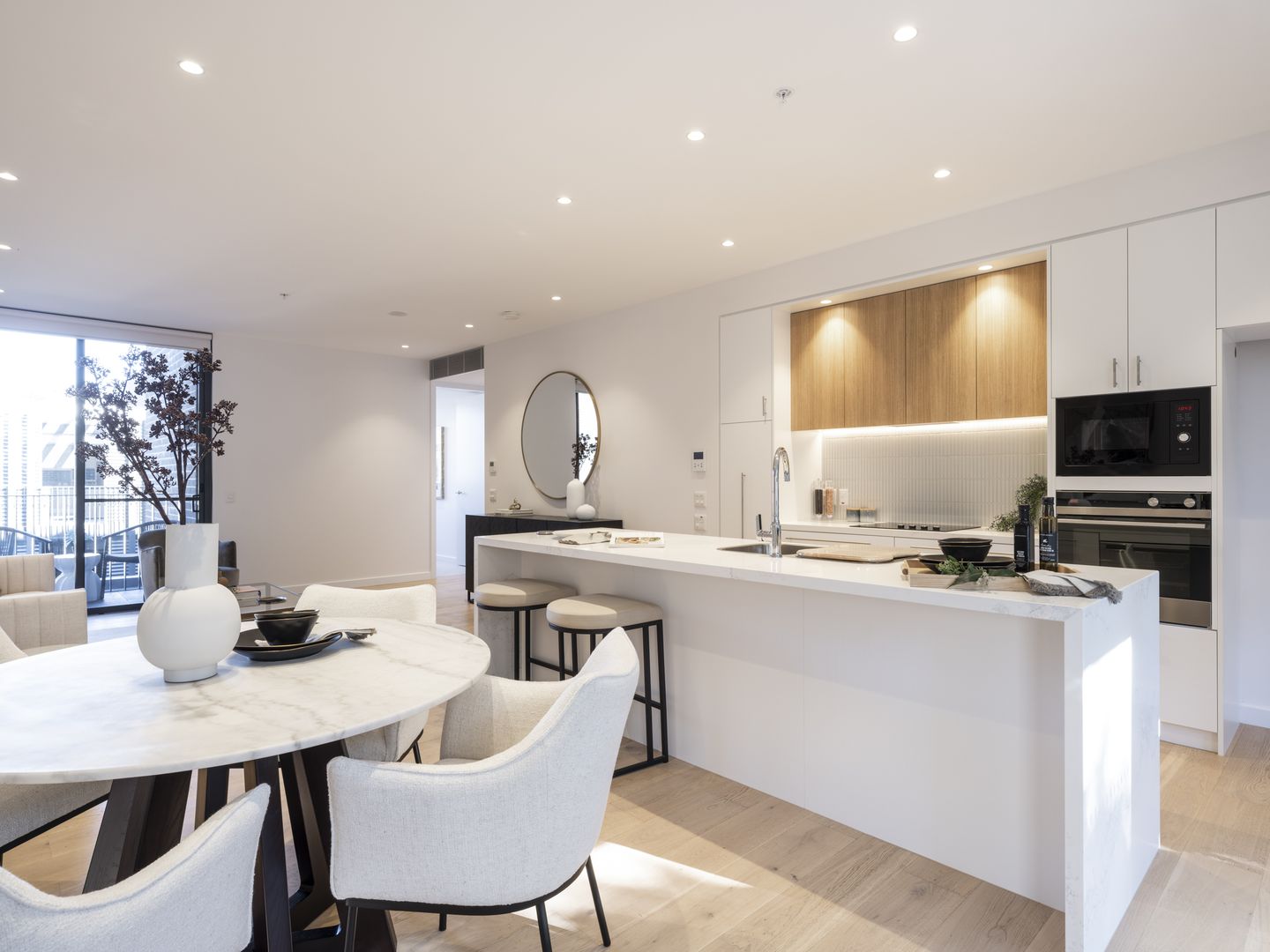
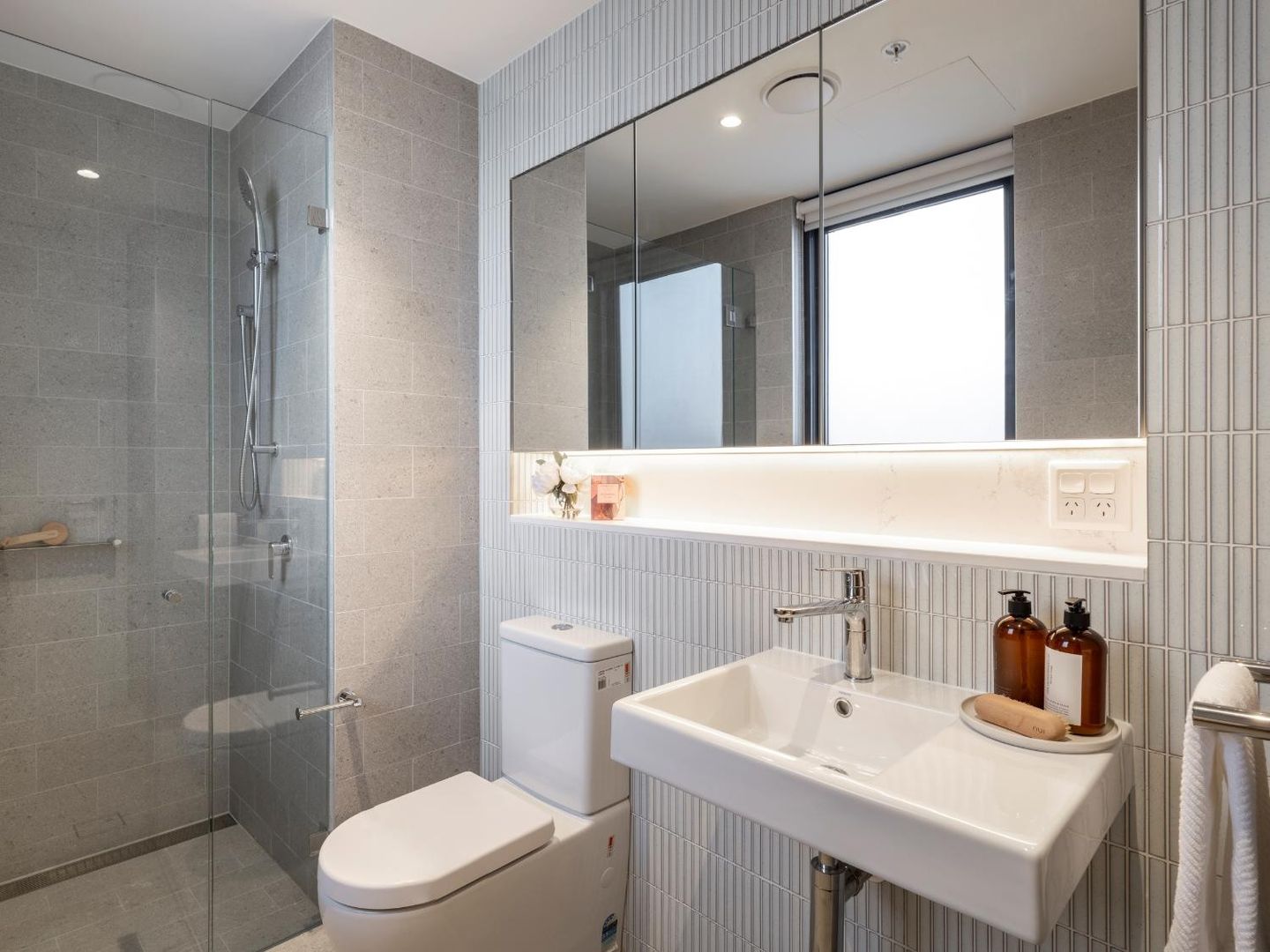
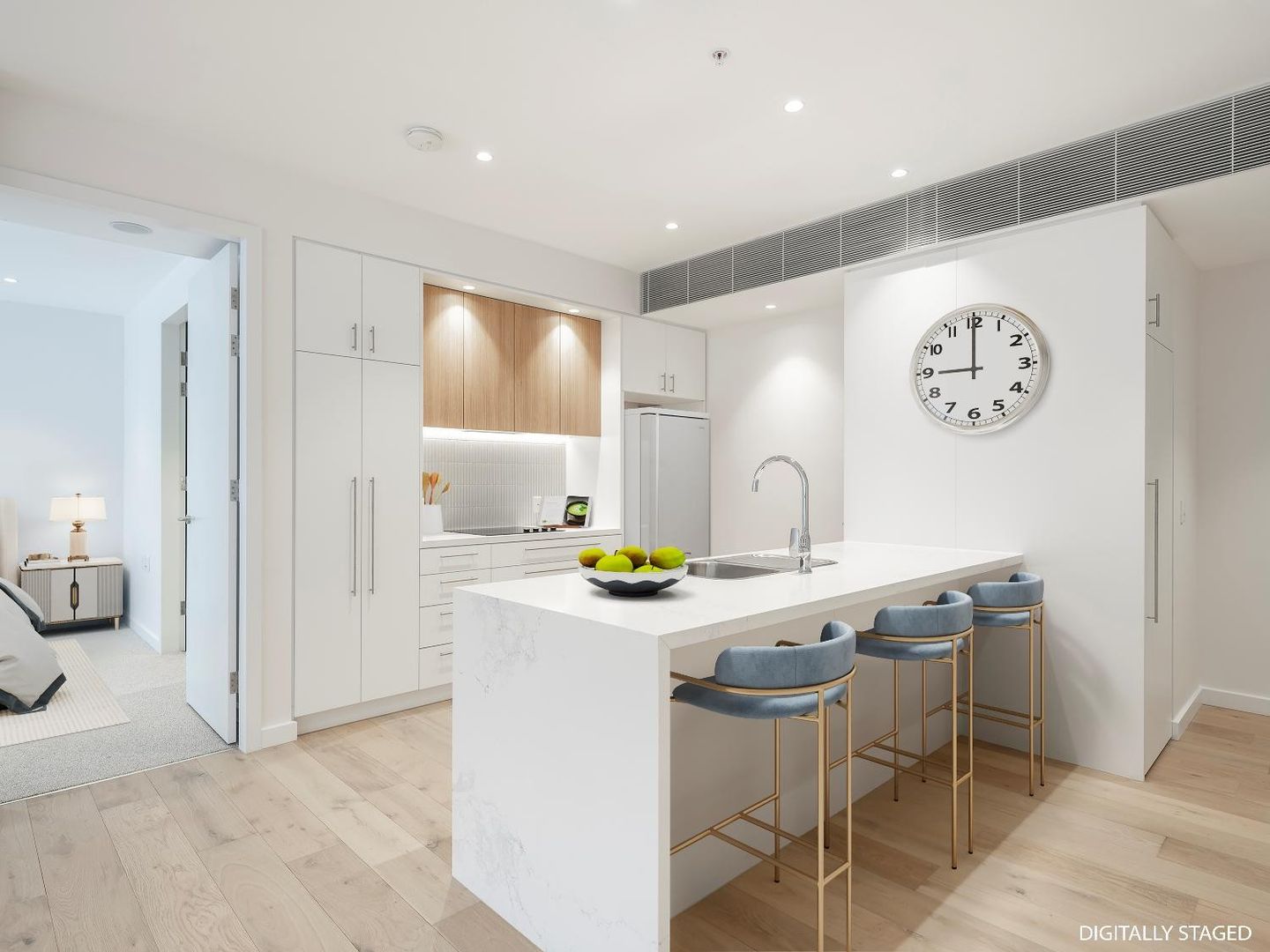
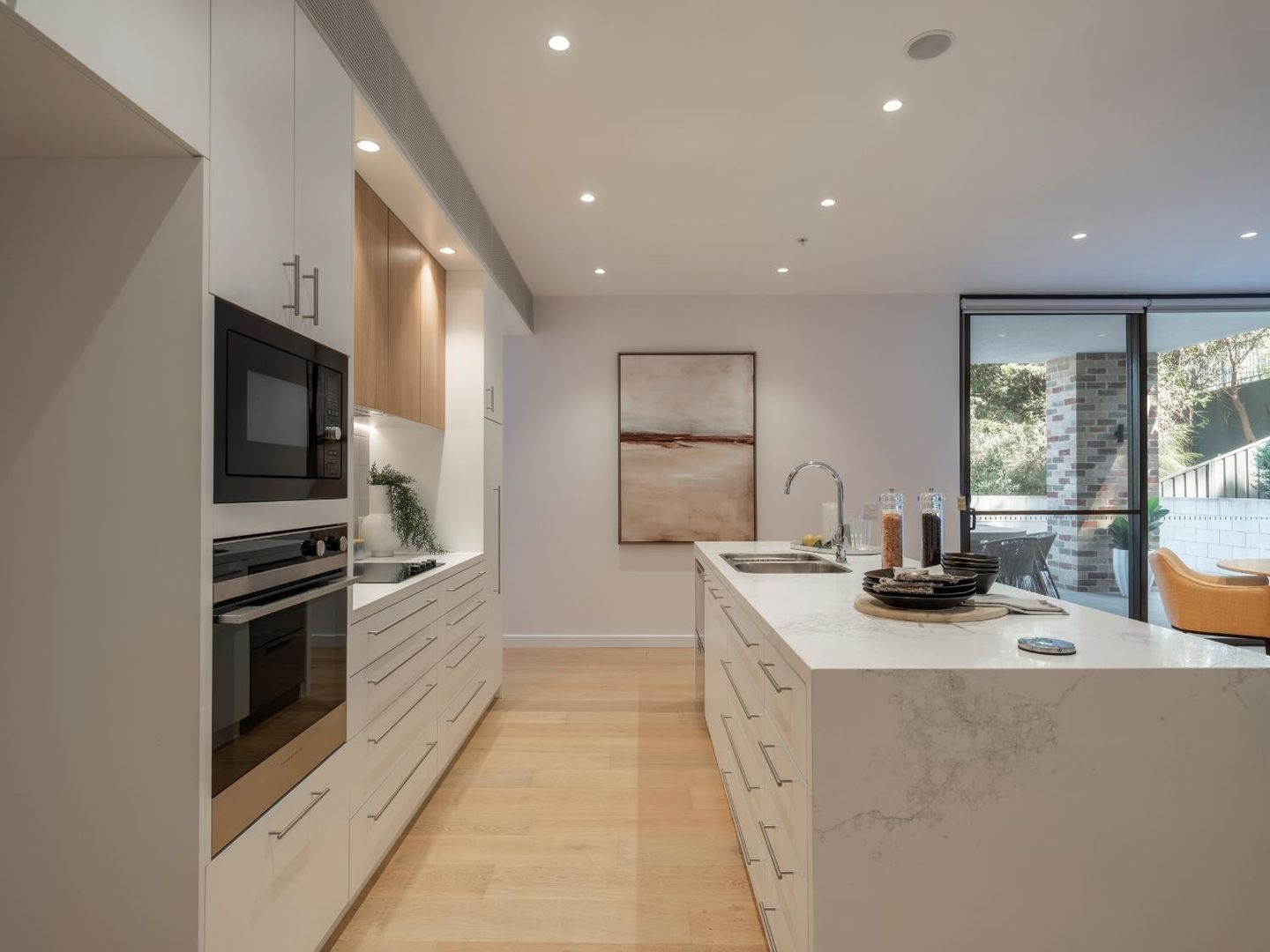
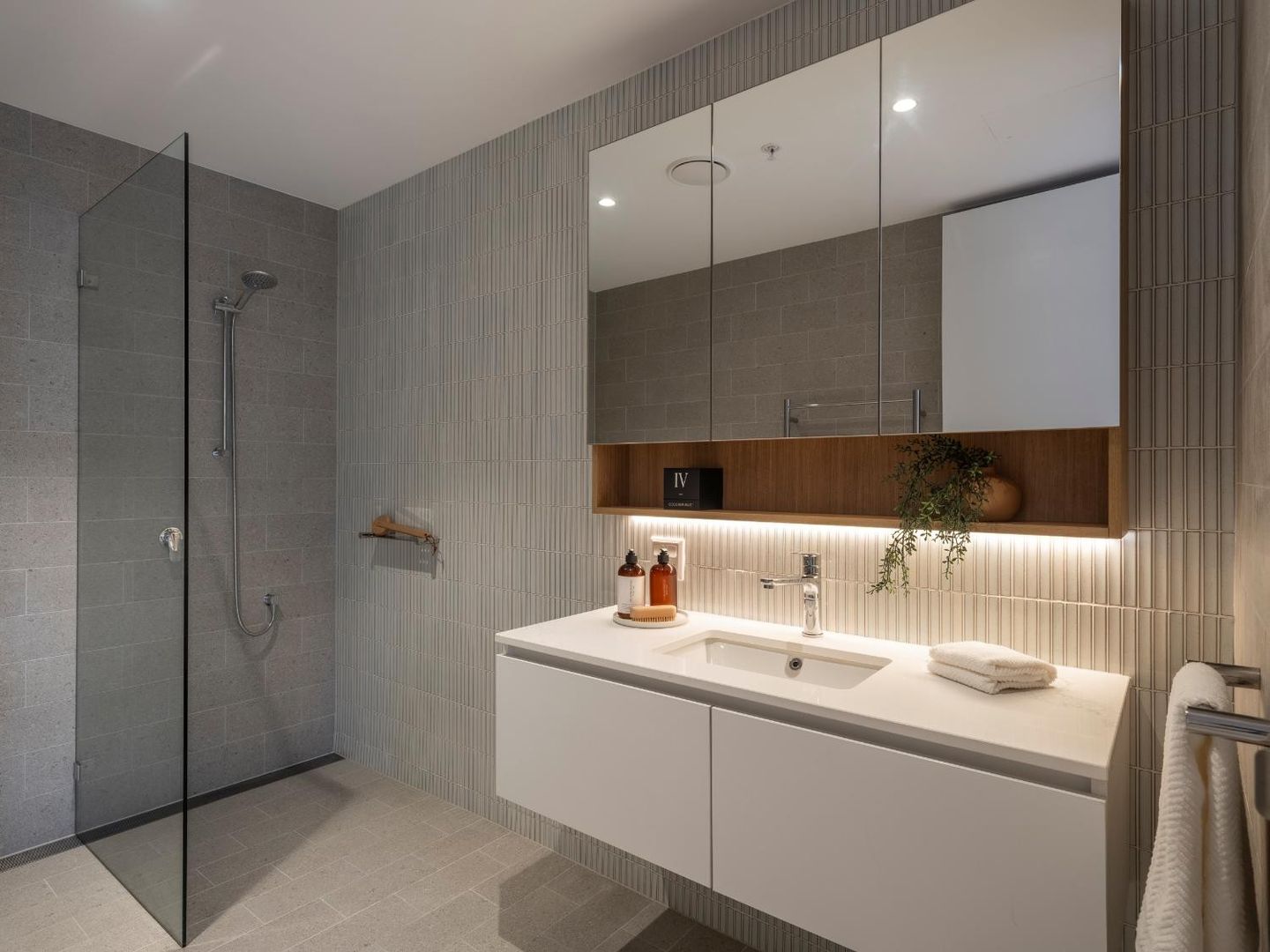
Condition varies between villages and between units in the same village. Some have new kitchens and bathrooms, while others are largely original. Ask what was updated before the last resale and who pays for future work.
If Windang itself is tight, look at Primbee, Lake Illawarra and Shellharbour. All are a short drive away, and comparing them on Downsizing gives you a wider view of retirement accommodation in NSW around the lake.
The entry price is the number everyone notices. It is rarely the number that decides whether a village is good value.
Start with the ingoing contribution. Depending on the contract, it may buy a strata unit or a lease or licence. Other fees are often calculated from it, so a lower entry price does not always mean a lower total cost.
Then the recurrent charge. This covers village running costs such as management, gardening, insurance of common areas and upkeep of shared facilities. Ask what it includes, how often it is reviewed and how much it has risen over the past few years.
The Deferred Management Fee (DMF) comes next, and it is usually the largest cost. It is often a percentage of the ingoing contribution or resale price that builds over a set number of years. Rates and caps vary between operators, so put two contracts next to each other and work out the dollar figure at five years and at ten.
Capital gains are split differently from village to village. Some contracts let you keep all the gain, others share it with the operator, and some give you none. The same goes for any loss.
On exit, you may also pay for refurbishment and some selling costs, such as advertising.
Personal costs sit outside the village fees. Electricity, phone, internet, contents insurance and any care you arrange are yours to pay.
NSW law requires operators to give you disclosure documents before you sign. Read them in full, because they set out every fee and your rights.
Ask the operator a few direct questions, in writing. How long does it usually take to resell a unit here? When will my exit entitlement be paid? What happens to the recurrent charge after I move out?
Check whether you can choose your own agent when you sell, or must use the operator. Some contracts allow either, and it can affect how fast the unit sells.
Couples should ask what happens if one partner moves into care or dies. The contract should say whether the other can stay on the same terms.
Finally, have an independent lawyer read the contract and a financial adviser check the effect on your Age Pension. An hour of advice costs far less than an exit fee you didn't understand.

Be the first to receive the latest updates in retirement property with our newsletter