Mandurah, Mandurah, WA





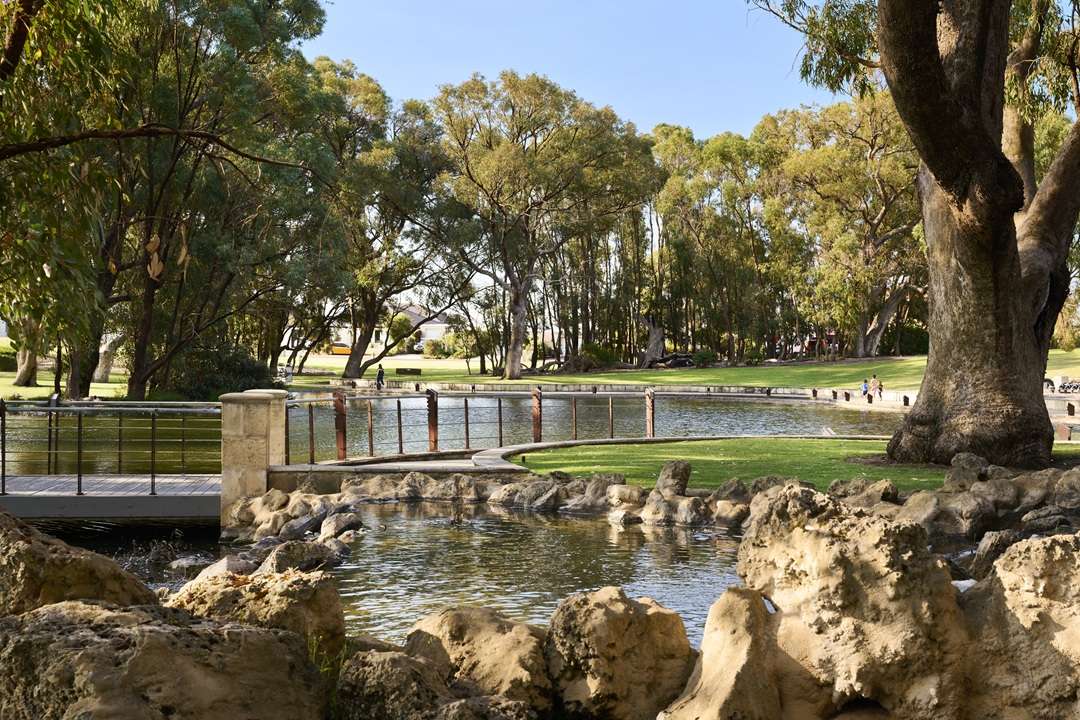
Mandurah is built around water. The city wraps around the Mandurah Estuary and the Peel Inlet, about 70 kilometres south of Perth, with canals running through its newer suburbs and ocean beaches on its western edge.
For retirees, that means a lot of time outdoors. People walk the foreshore boardwalk in the mornings, throw a crab net off the jetties in summer and watch the dolphins that often swim close to the town centre. On a calm day, a cruise around the canals is a popular way to show visiting family the city.
The climate is part of the appeal. Mandurah has warm, dry summers and mild winters, and the afternoon sea breeze takes the edge off the hottest days. For people moving from colder states, that alone can settle the decision.
The services are there too. Peel Health Campus provides hospital care in Mandurah, and the city has a wide spread of GPs and specialists. Mandurah Forum is the main shopping centre, with smaller centres in most suburbs.
Perth is close enough for regular trips. The Mandurah train line runs straight into the Perth CBD, and the Kwinana Freeway gives a direct drive north. Many downsizers move here from Perth's southern suburbs for exactly that reason. They want a quieter pace but still want to see the grandchildren on weekends.
Over 55 living in Mandurah covers a wide range. Some people pick a villa near the estuary, others a lifestyle community in a newer estate. A few go for a canal home with its own jetty.
If you are weighing it up, spend a weekday in the town rather than a summer weekend. Mandurah gets busy in the holiday season, and a quiet Tuesday tells you more about everyday life.
Mandurah has a deep pool of retirement housing, partly because the city has attracted retirees for decades.
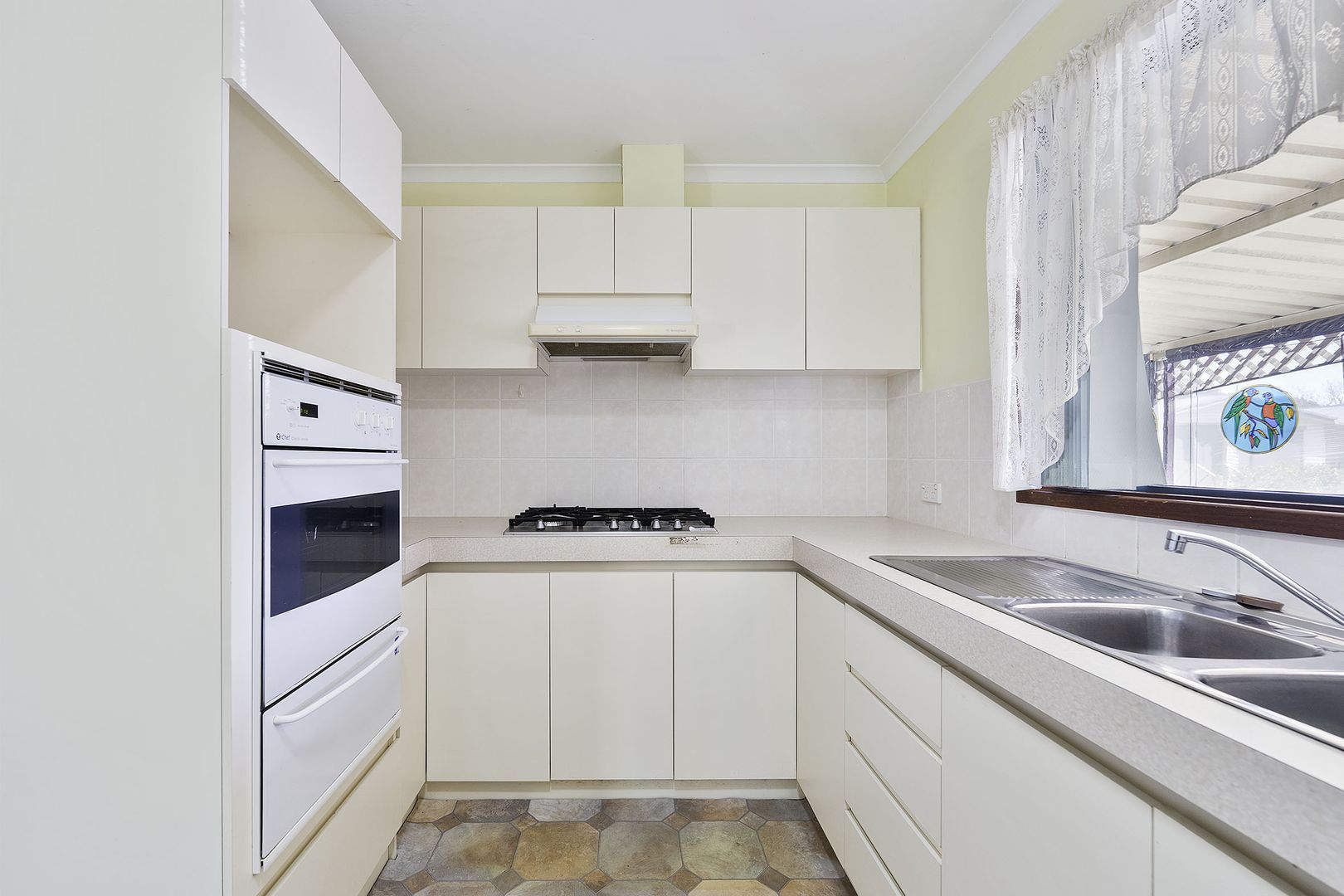
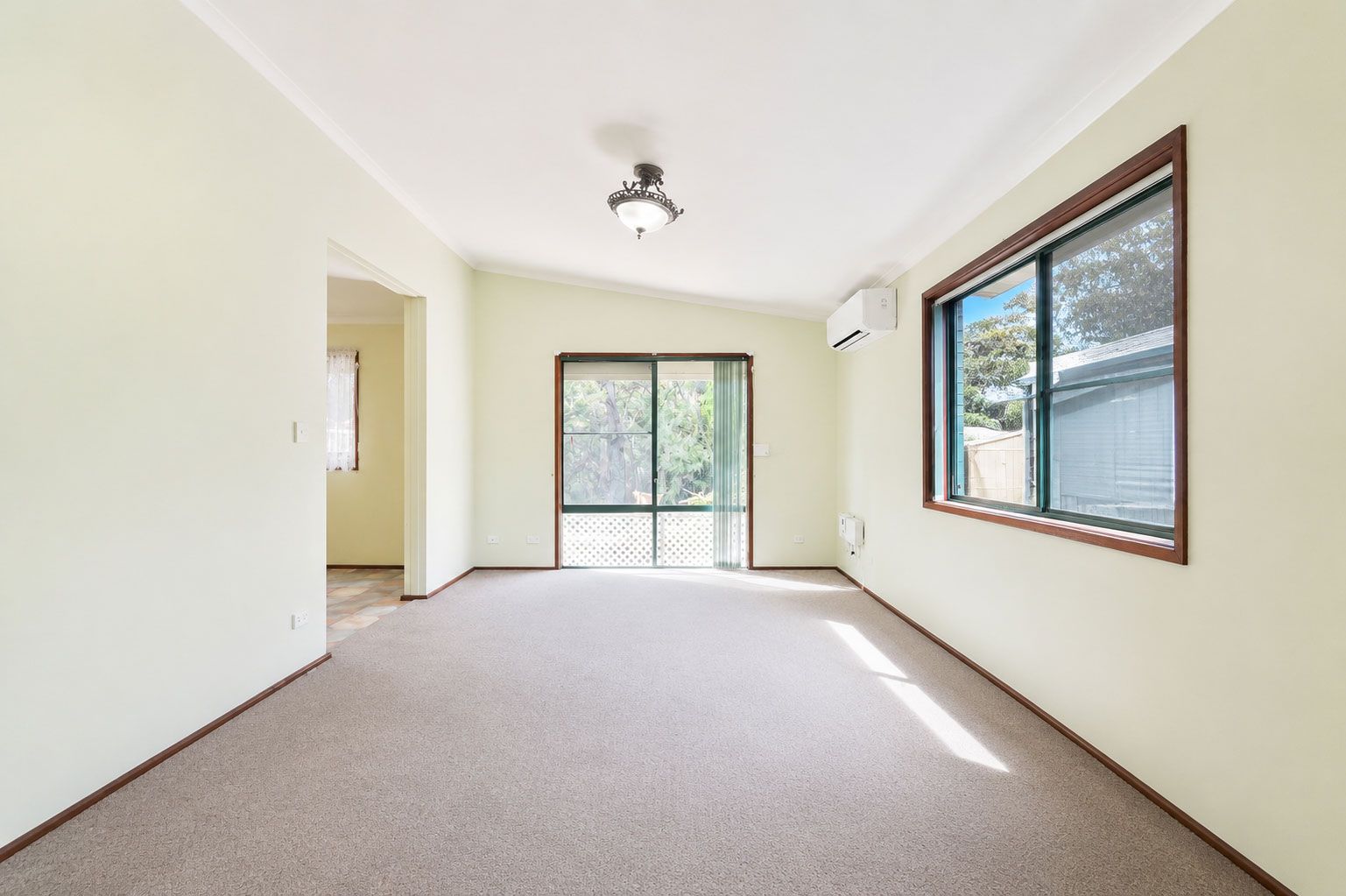
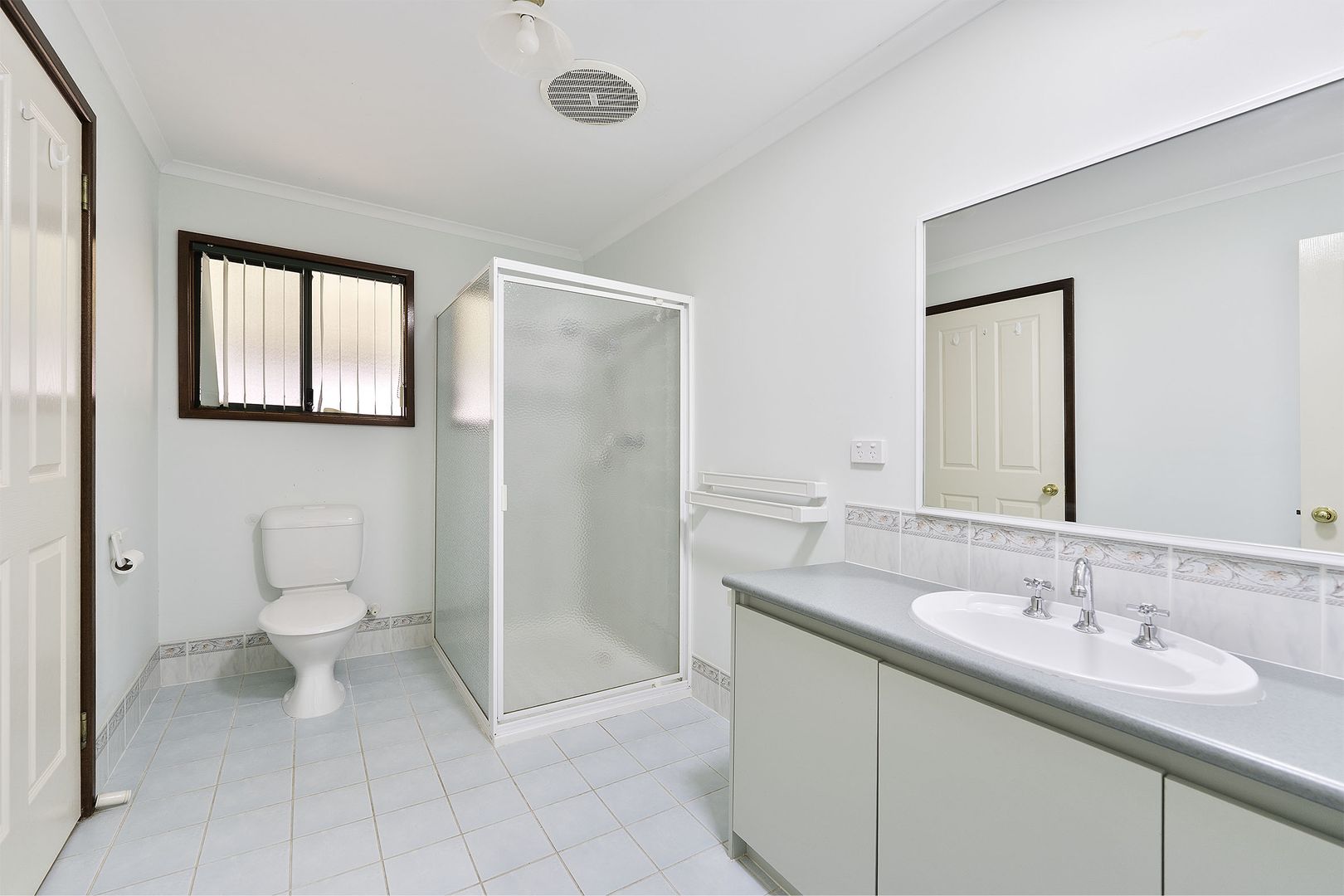
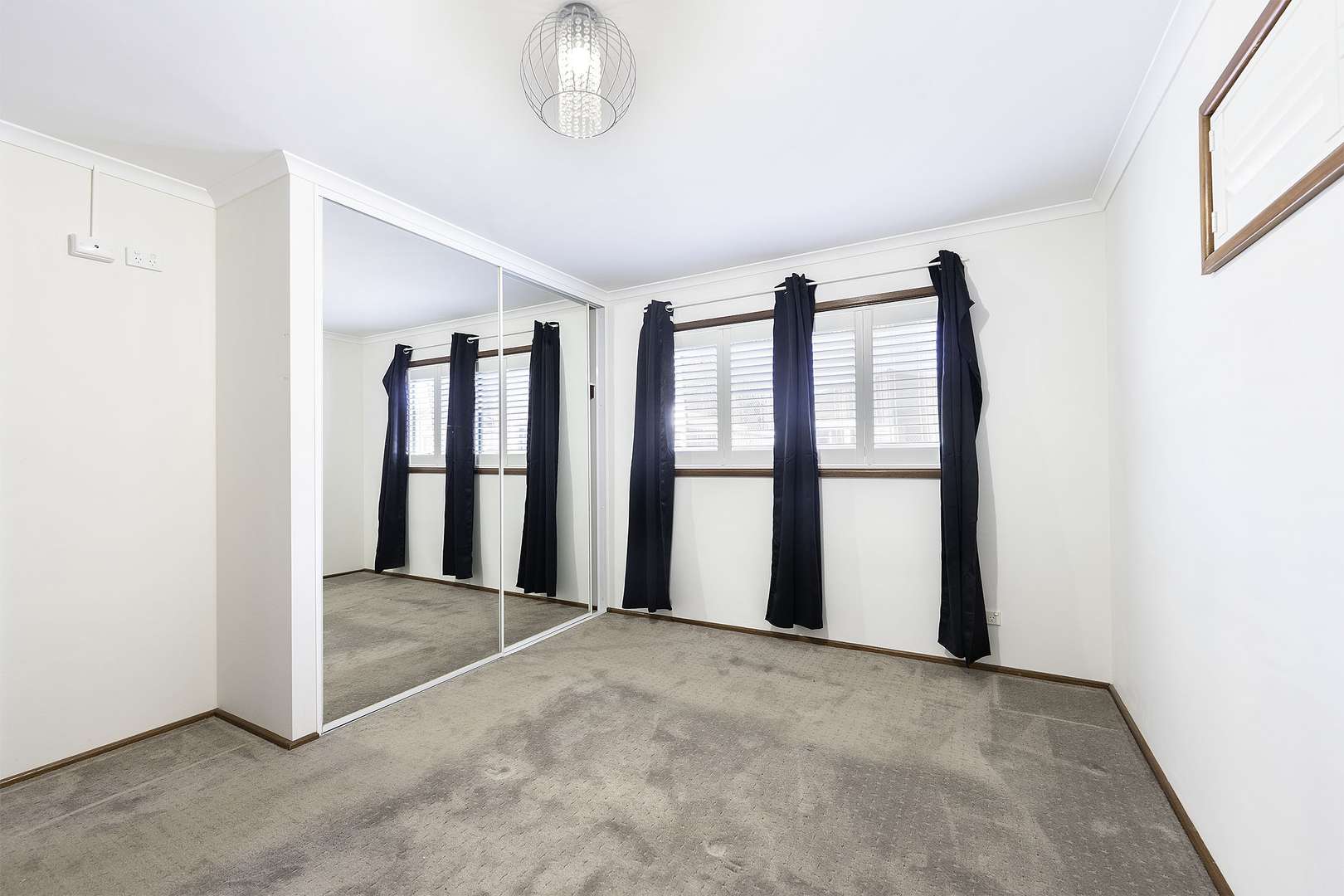
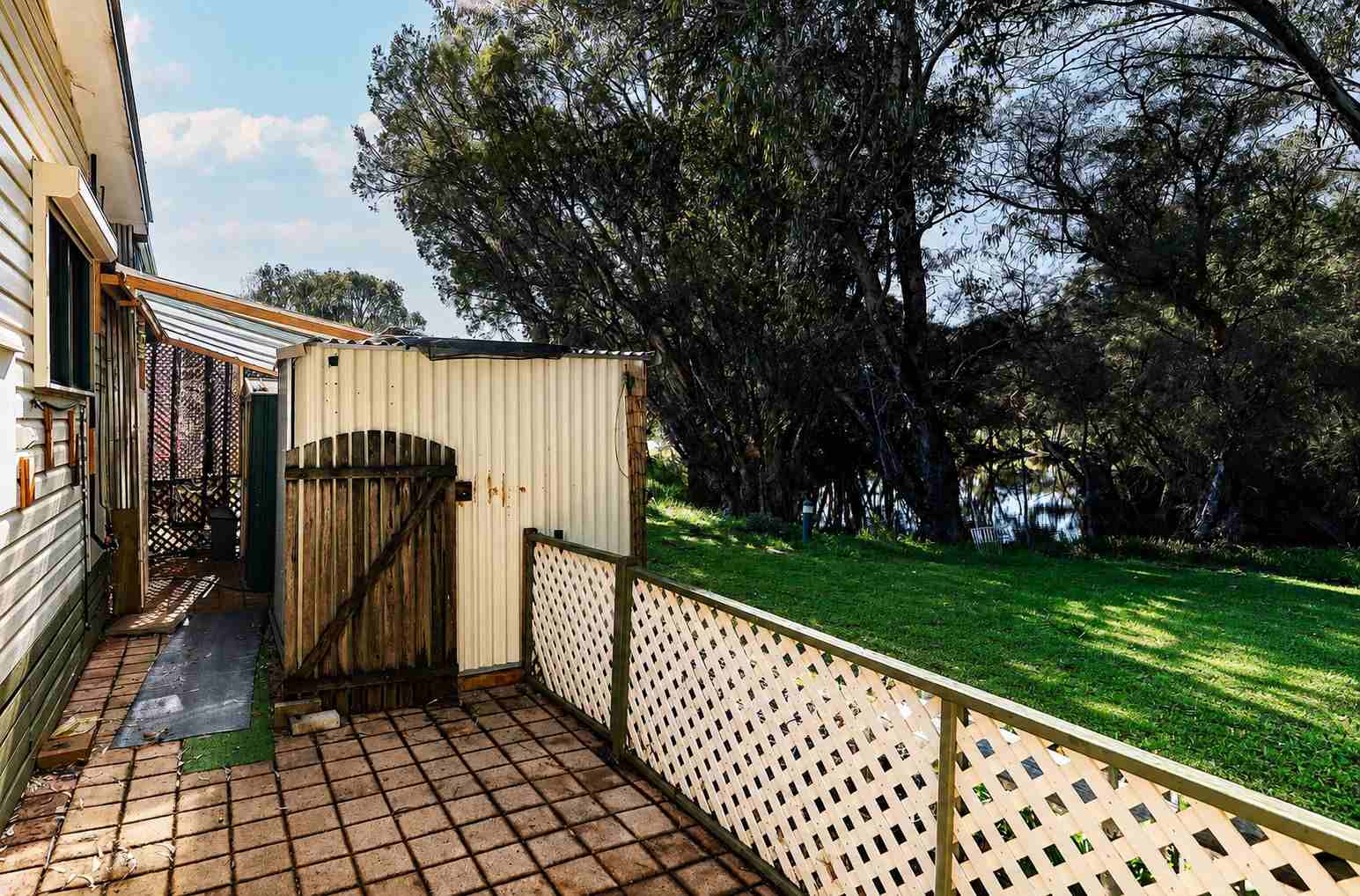
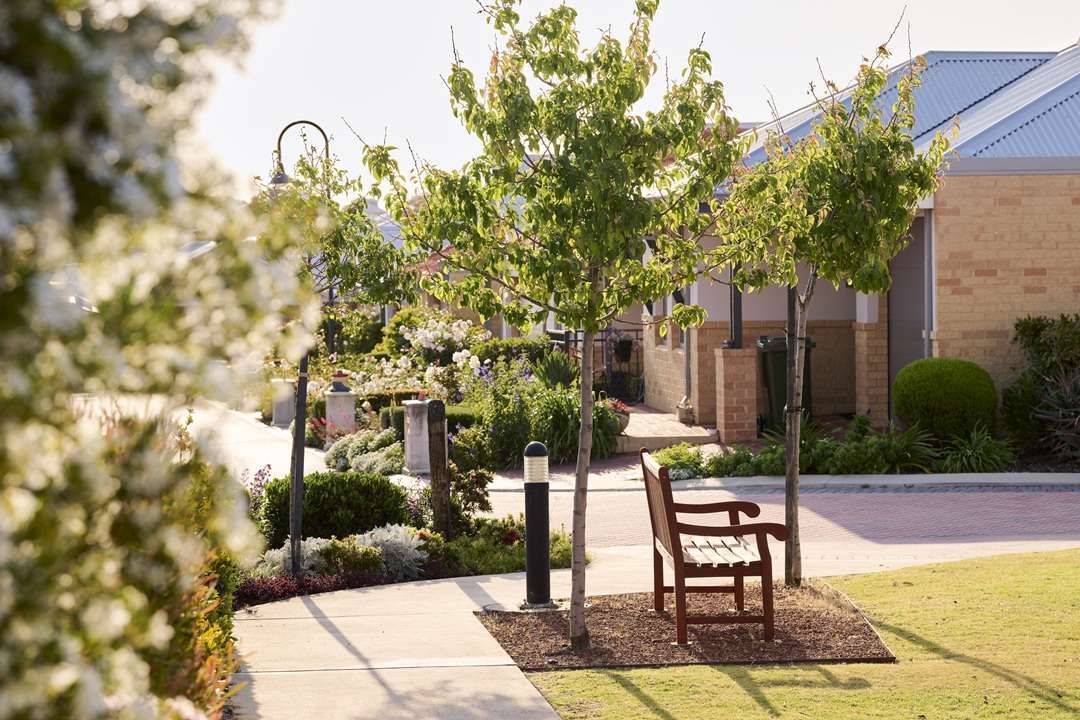
Villas and units make up a large share. A typical example is a single-level, two or three-bedroom home with a carport and a small garden. Many sit in established suburbs close to shops and the foreshore.
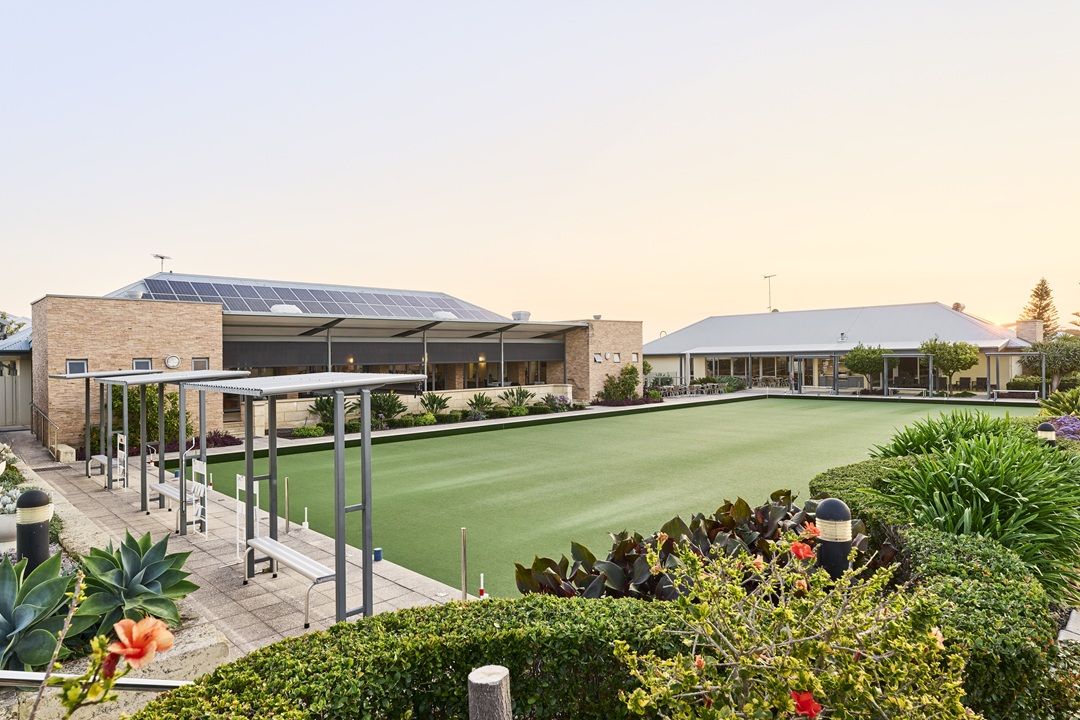
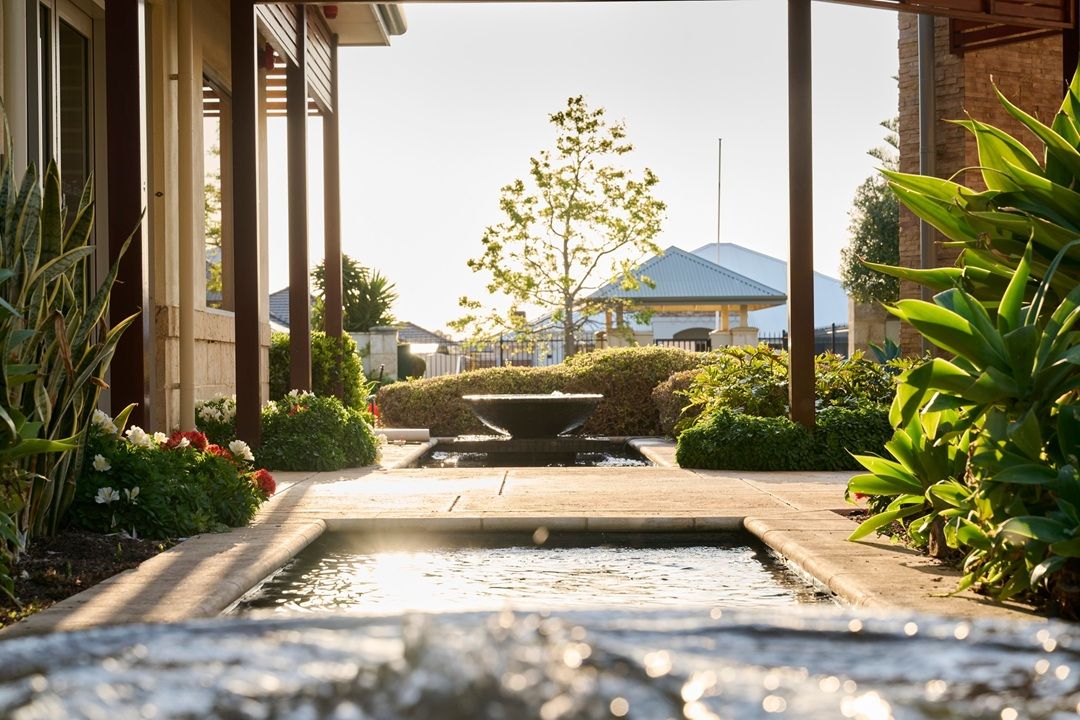
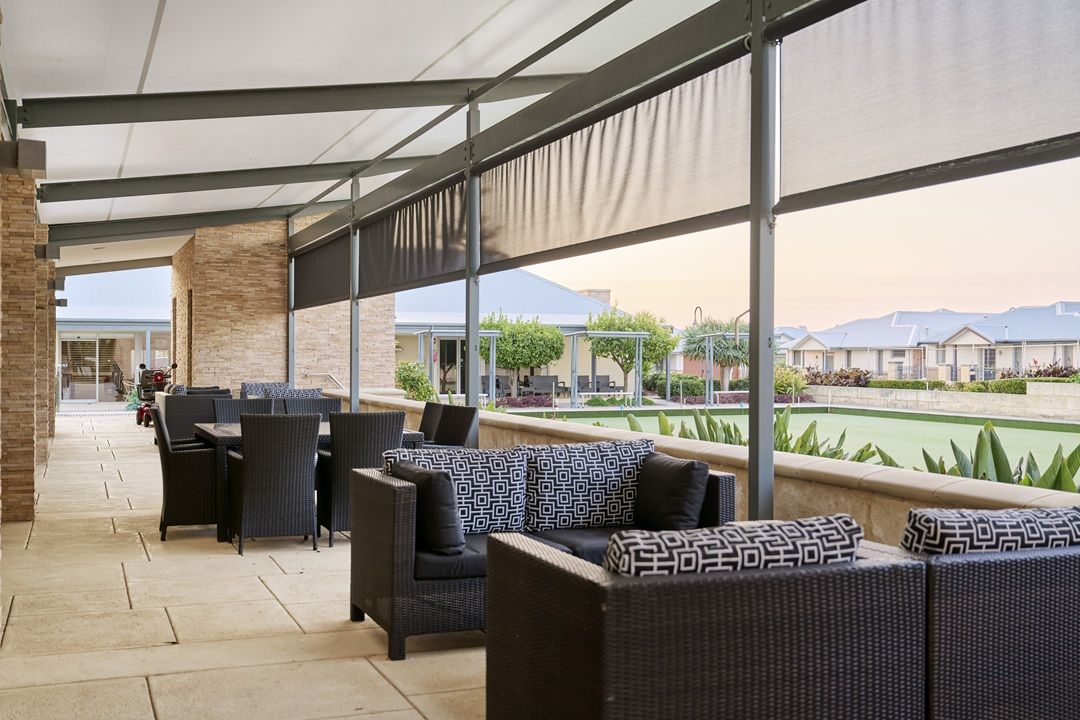
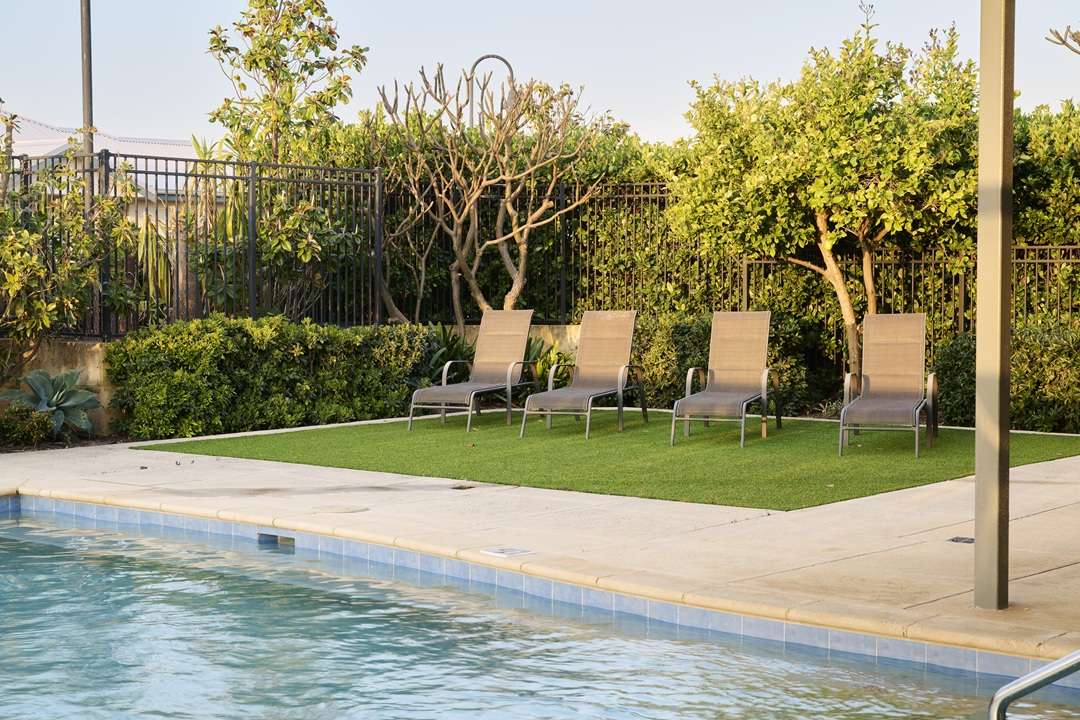
Retirement villages are well established across the city. Most residents in WA villages hold a lease rather than freehold title. You pay an entry price, a monthly recurrent charge and an exit fee when you leave. Facilities vary widely. A small village might have a community hall and gardens, while a larger one adds a pool, a bowling green and a bus for outings.
Lifestyle communities are the newer option. Some operate on a land lease model, so you own the home and pay a site fee for the land. They tend to suit active over 50s who want a modern home and a calendar of social events.
Prices follow location. Homes close to the estuary or the city centre usually cost more than similar villas in suburbs such as Greenfields, Meadow Springs or Lakelands. Widening the search by a few kilometres can change what your budget buys.
Outside dedicated communities, apartments near the foreshore and smaller freehold homes give you more control and fewer rules. Rentals are less common but can be found through some providers, and renting for a few months is one way to test the city before you buy.
Downsizing lists retirement accommodation in WA across all of these types, which makes it easier to see what is available in your price range in Mandurah right now.
A retirement village can take a lot of work off your hands. It also comes with a contract that is more complex than a standard property purchase, so read it slowly.
Start with what you are buying. In most WA villages, you buy a lease that gives you the right to live in your unit, not the unit itself. The contract sets out how long the lease runs, who sets the resale price and how the money is split when you leave.
Next, the money. The recurrent charge covers management, gardening and shared facilities. Ask for the last three years of charges, not just this year's figure. Then ask how the exit fee works. A Deferred Management Fee is often a percentage of the entry or resale price that builds each year until it reaches a cap. Some contracts also share capital gains or losses between you and the operator, or require you to pay for repainting and new carpets on exit.
Location matters more than people expect. A village a short walk from Mandurah Forum or a train station will feel very different from one on the edge of an estate if you stop driving. Check how far it is to Peel Health Campus and your GP.
Think about the next ten years as well as the next two. Single-level homes with step-free showers and wide doorways are easier to live in as mobility changes. Some villages have aged care on the same site or nearby, which matters if one partner later needs more support.
Visit more than once. Have a cup of tea in the community centre, talk to residents and ask what they wish they had known before moving in. Most will tell you.
Read the village rules as well. They cover pets, visitors staying over, parking and changes to your unit, and they differ from village to village.
Ask about the village's own finances. Is there a fund for big repairs? Who pays when the pool or the roof needs replacing? Have residents faced special charges in recent years? A well-run village will answer without fuss, and the residents' committee can tell you how complaints are handled in practice.
Before you sign, have an independent lawyer go through the contract and a financial adviser check how the move affects your Age Pension. Their fee is small next to the amount you are committing.

Be the first to receive the latest updates in retirement property with our newsletter