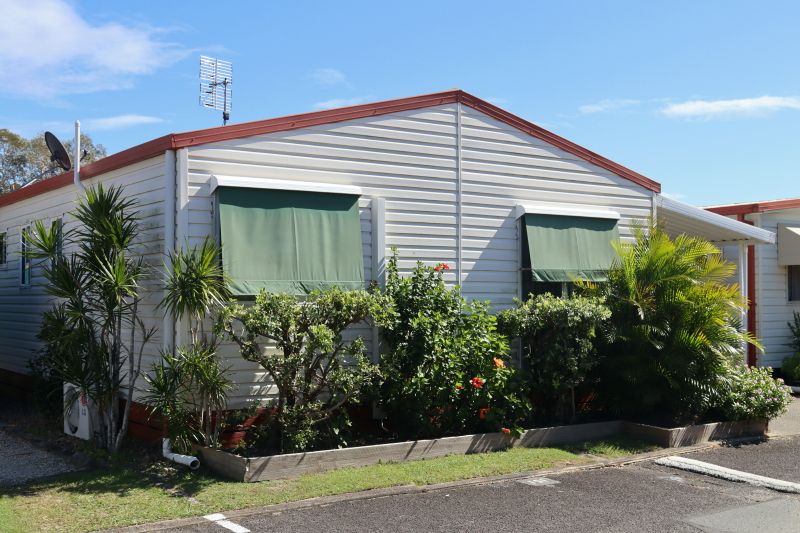
Tweed Heads, Richmond - Tweed, NSW



Tweed Heads is the last town in New South Wales before the Queensland border. Walk a few streets north and you're in Coolangatta. For many retirees, that is the point: a quieter NSW town on the Tweed River, with the restaurants and shopping of the southern Gold Coast on the doorstep.
The water is never far away. Duranbah and Greenmount beaches sit either side of Point Danger, the headland that marks the border, and the river foreshore has flat paths that suit an early walk. Local clubs run bowls, social nights and community groups most days of the week.
The Tweed River shapes daily life too. Jack Evans Boat Harbour, right in town, has sheltered water for an easy swim, and many retirees spend their mornings there before the day warms up. Boat ramps and fishing spots line the river further south.
Travel is easy. Gold Coast Airport is about ten minutes' drive, so children and grandchildren interstate are a short flight away. The Pacific Motorway runs north to Brisbane and south through the Northern Rivers. For hospital care, Tweed Valley Hospital opened at Cudgen in 2024, and the larger Gold Coast hospitals are also within reach.
Living on a border has quirks. During daylight saving, Tweed Heads runs an hour ahead of Coolangatta, so appointments and phone calls across the line need a second thought. Retirement properties in Tweed Heads also come under NSW law, while those a short walk away fall under Queensland rules.
Over 55 living in Tweed Heads suits people who want a coastal town without giving up big-city services. If you would be crossing the border every day for shopping, doctors or family, it is worth asking whether a Queensland address would be simpler.
Most downsizers in Tweed Heads end up choosing between four kinds of property.
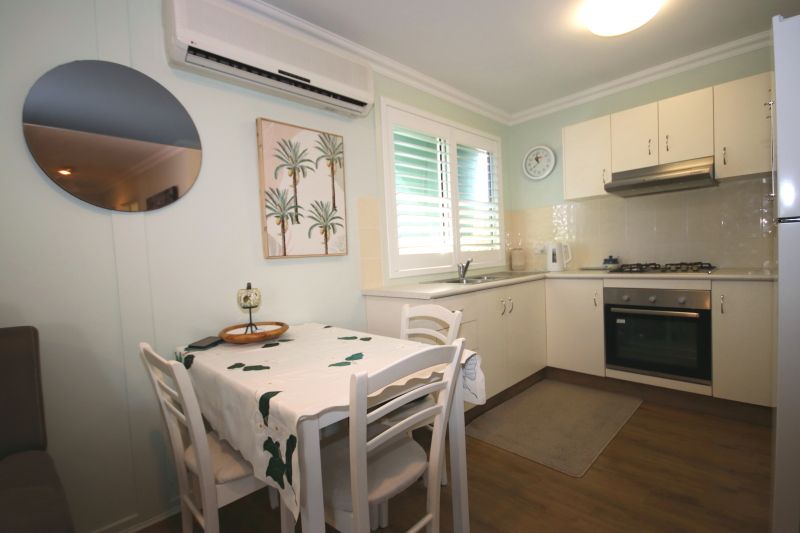
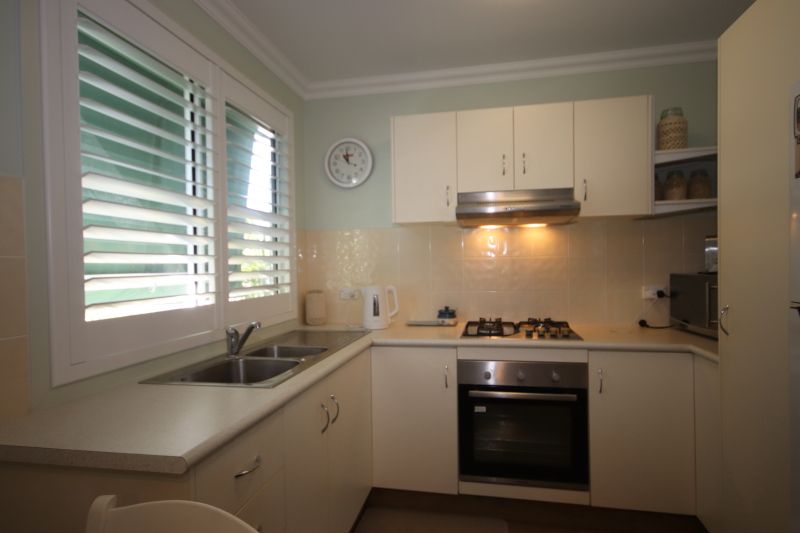
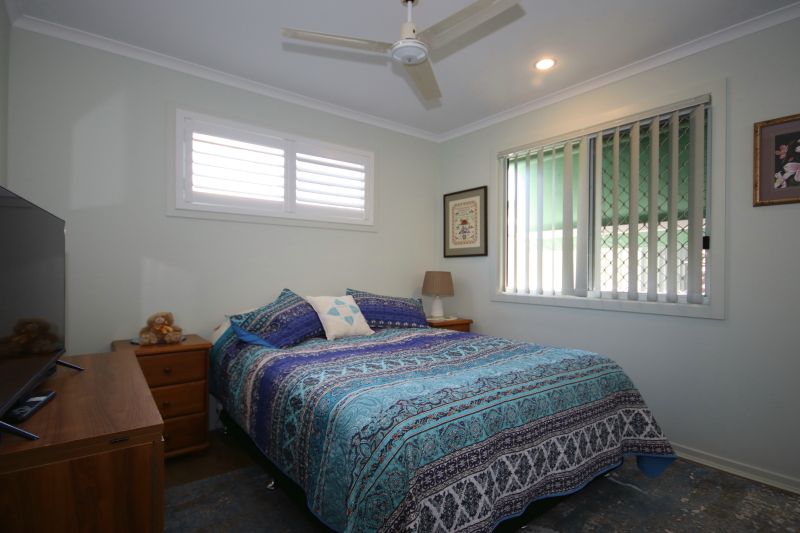
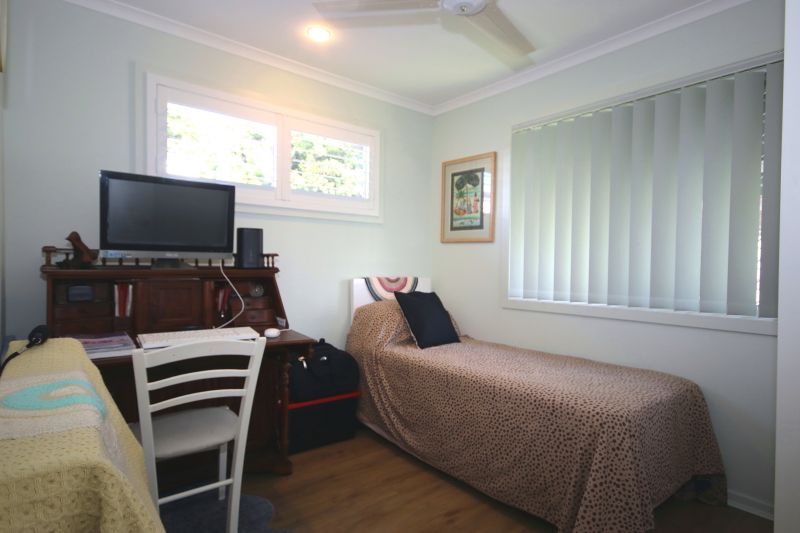
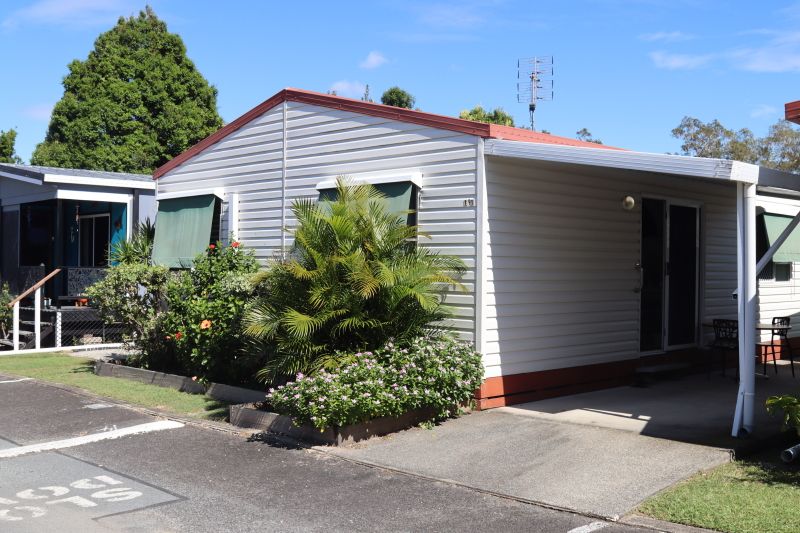
Villas and independent living units are the most common. They tend to be single-level, with a small courtyard and a garage, and suit people leaving a family home who still want their own front door.
Lifestyle communities usually run on a land lease model. You buy the house and pay a weekly site fee for the land it sits on. In return you get the clubhouse, pool and bowling green without having to maintain them. Many people choose these communities for the social life as much as the house.
Retirement villages work differently again. Most use a lease or licence rather than freehold title, charge an ongoing service fee and take a Deferred Management Fee when you leave. The trade-off is more structure, and some villages have on-site staff or emergency call systems.
Price varies with the model. A land lease home is often cheaper to buy than a freehold villa nearby, because the land isn't included. Village entry prices depend on the contract and the exit fee attached to it. A low entry price paired with a high exit fee can cost more over time, so look at both figures together.
Then there are ordinary apartments and smaller houses bought on the open market. Apartments near the river and Point Danger often come with lifts and water views, and you keep full control of the property. You also keep full responsibility for it.
The right fit comes down to two questions. How much upkeep do you want to do yourself? And which fee structure can you live with for the next ten or fifteen years? Browsing listings on Downsizing lets you compare all four types in Tweed Heads before you book an inspection. If supply is tight, neighbouring Tweed Heads South and Banora Point are a few minutes away.
Two properties with the same price can cost very different amounts to live in. Before you sign, get every fee in writing.
In a land lease community, the main ongoing cost is the site fee, usually paid weekly. Ask how it is reviewed. Some communities tie increases to CPI, others to a fixed percentage or a market review, and over ten years the difference adds up.
Retirement villages charge a recurrent service fee for management, gardens and shared facilities. The bigger number often comes at the end. A Deferred Management Fee (DMF) is usually a percentage of your entry or resale price, and it grows with each year you live there up to a cap. Some contracts also split capital gains with the operator or ask you to pay for refurbishment when you leave.
Strata apartments have levies instead. Read the last few years of strata minutes. They will tell you about upcoming works that could mean a special levy.
Then there is the border. Tweed Heads properties sit under NSW retirement village and land lease laws. Coolangatta, a short walk away, follows Queensland law, where cooling-off periods, disclosure documents and buyback rules are different. If you are comparing places on both sides, don't assume the contracts work the same way.
Some costs stay with you wherever you live: electricity, internet, contents insurance and a car if you keep one. You will also pay to move, including legal fees, removalists and the agent's commission on your old home.
As with any coastal or river town, check the council's flood maps and get an insurance quote before you buy.
It also helps to put the numbers on one page. For each property you like, write down the entry price, the weekly or monthly fees and the likely exit cost after five and ten years. Laid out that way, the cheapest option on paper is not always the cheapest to live in.
Selling the family home can also change how Centrelink assesses you for the Age Pension. An independent financial adviser can run the numbers before you commit, and a lawyer who knows retirement contracts can explain the exit terms in plain English.

Be the first to receive the latest updates in retirement property with our newsletter