Coffs Harbour, North Coast, NSW







In Coffs Harbour, the Great Dividing Range comes close to the sea. Banana plantations and rainforest cover the hills behind the city, and that mix of hinterland and surf is a big reason retirees choose it.
The beaches are spread along the coast. Park Beach and Jetty Beach are close to town, while Sawtell and Korora are quieter. The historic jetty and the walk out to Muttonbird Island are favourite sunrise outings, and humpback whales pass close to shore in winter and spring.
Coffs Harbour works as a regional city. Coffs Harbour Health Campus provides public hospital care, Baringa Private Hospital offers private services and there is a good spread of specialists and GPs. Park Beach Plaza handles most shopping, and the clubs and golf courses give new arrivals a ready-made social life.
The climate is subtropical, with warm summers and mild winters, so golf, beach walks and gardening carry on for most of the year.
Travel is easier than in many regional towns. Coffs Harbour Airport has direct flights to Sydney and other cities, and NSW TrainLink trains stop here on the North Coast line.
The hinterland is worth the trip. The Orara Valley and Dorrigo Plateau have rainforest walks, lookouts and small villages, all within an easy day out.
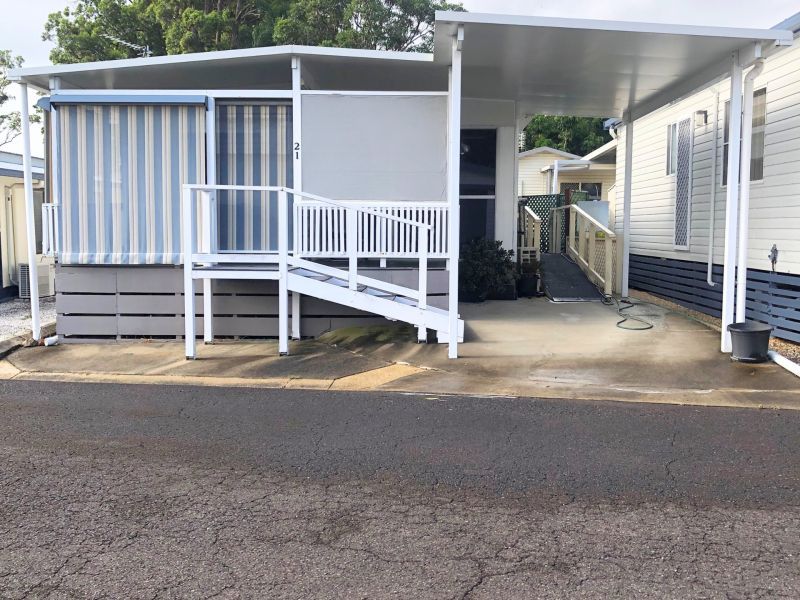
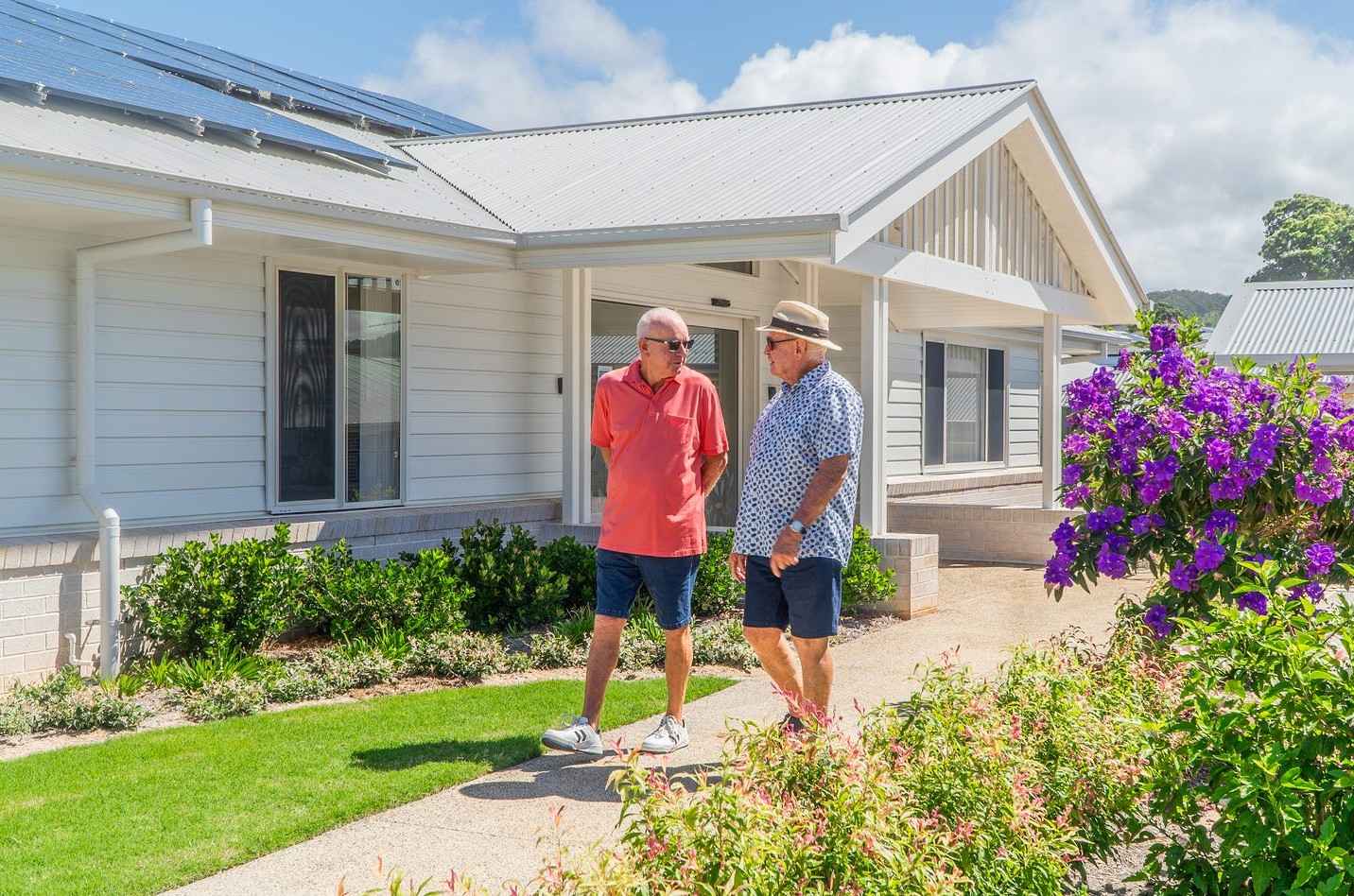
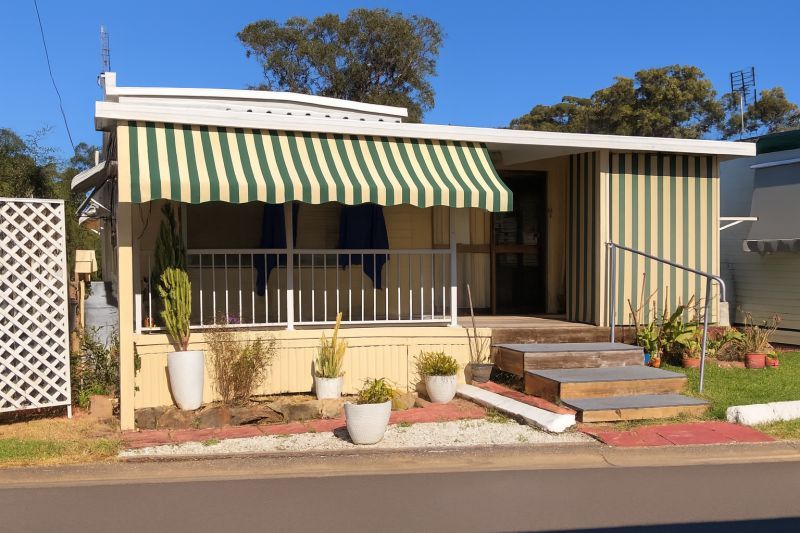
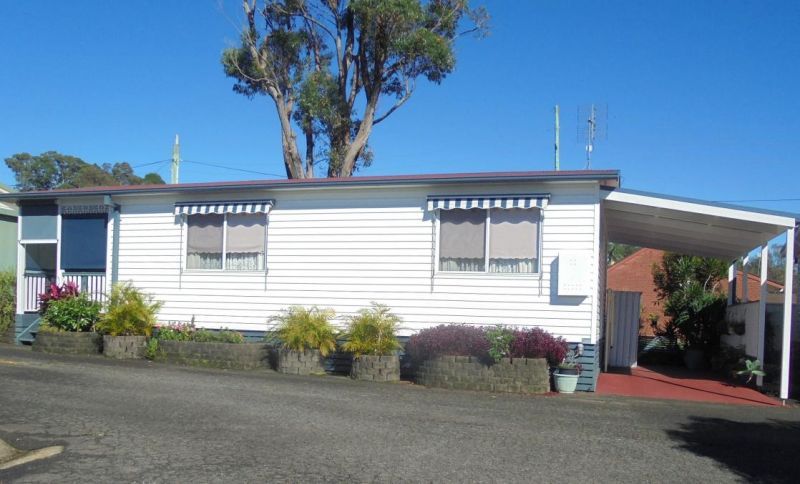
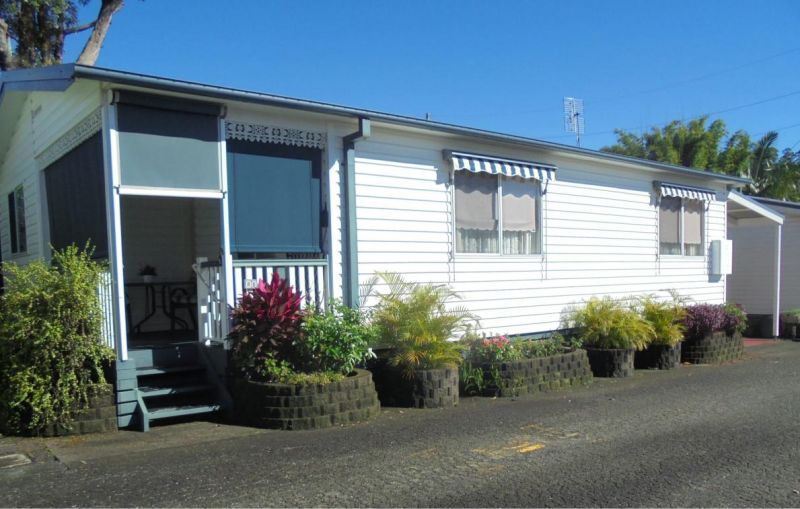
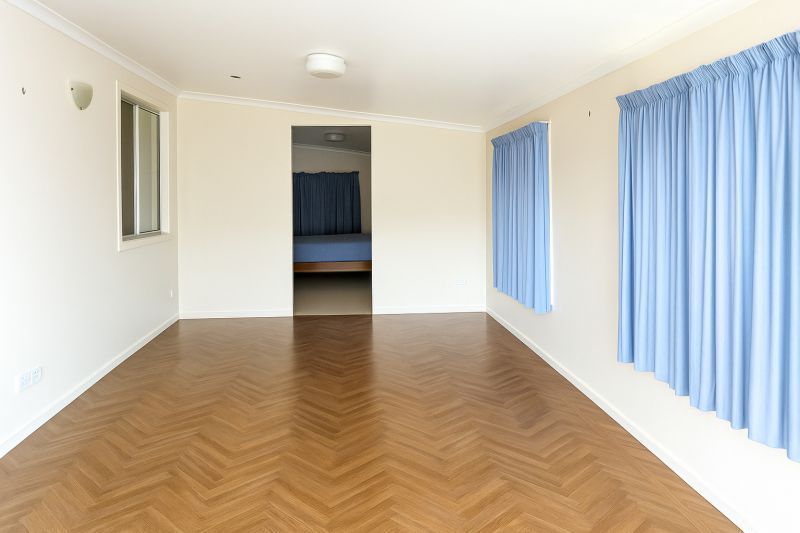
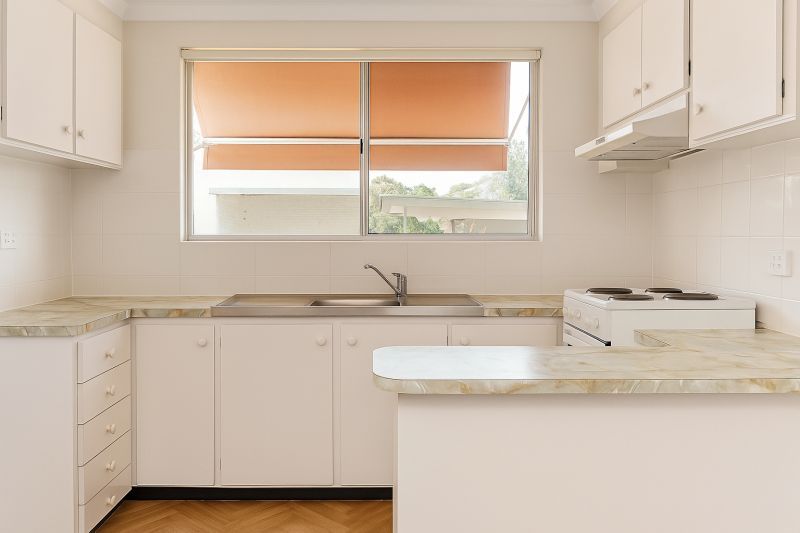
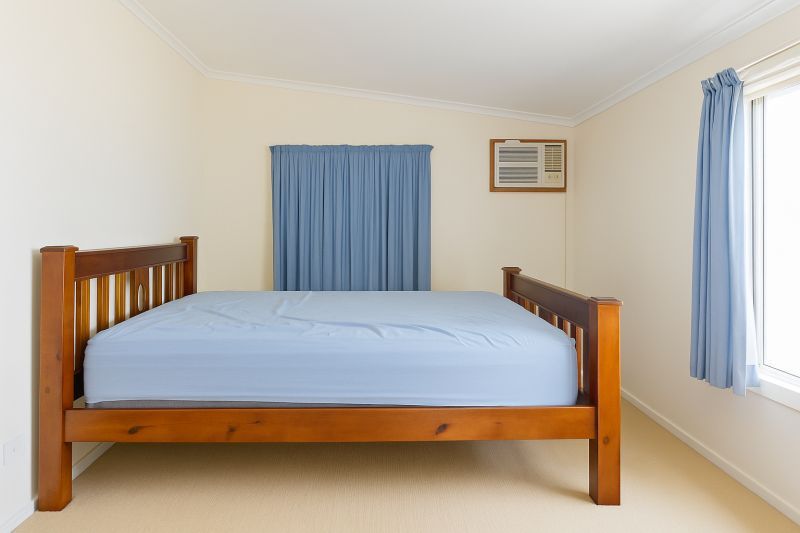
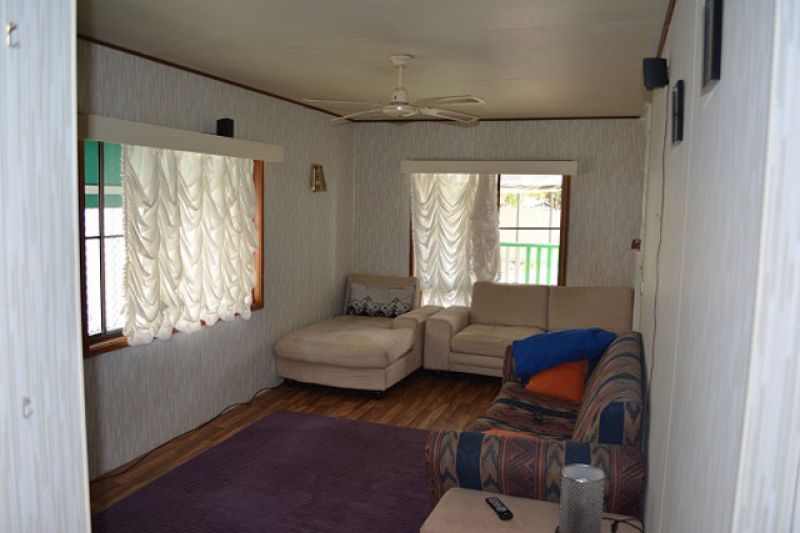
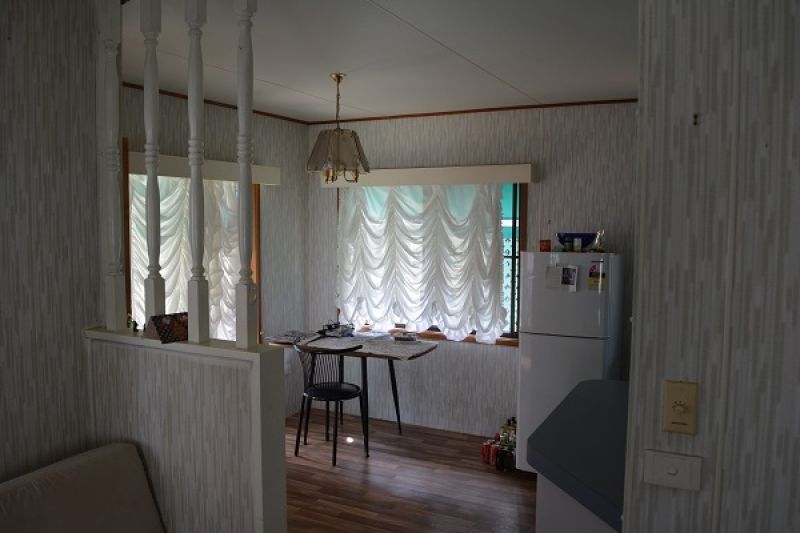
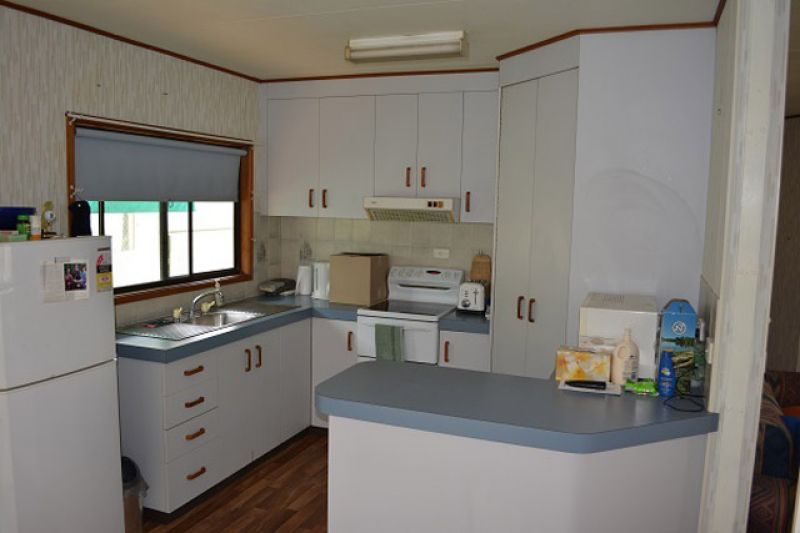
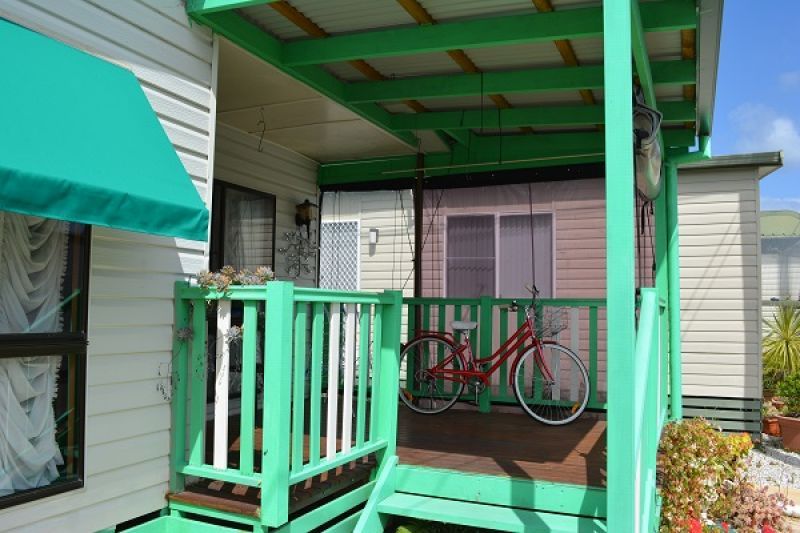
Over 55 living in Coffs Harbour includes retirement villages, lifestyle communities, villas and apartments. Nearby towns such as Sawtell, Woolgoolga and Moonee Beach add more options.
Coffs Harbour suits people who want regional services and a coastal lifestyle in one place. Check the drive to family, though. Sydney is a long way by road.
For a regional city, Coffs Harbour has a large retirement housing market.
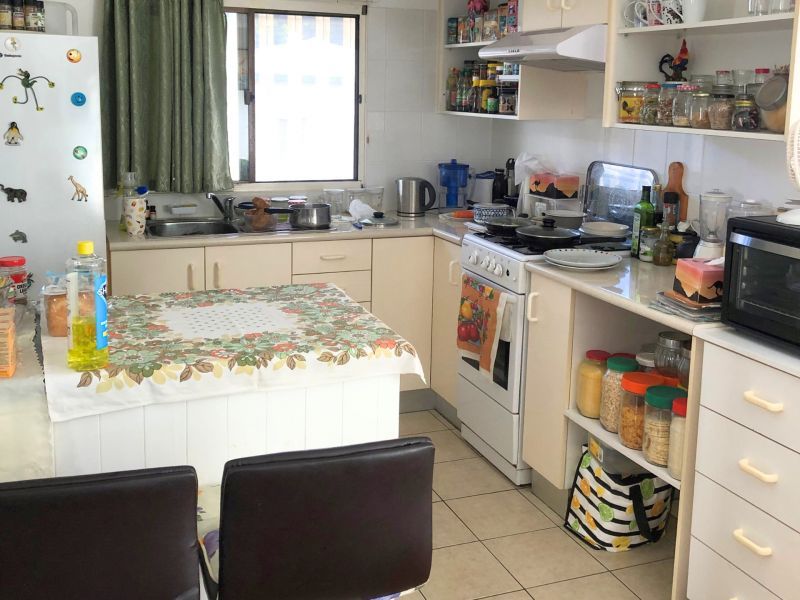
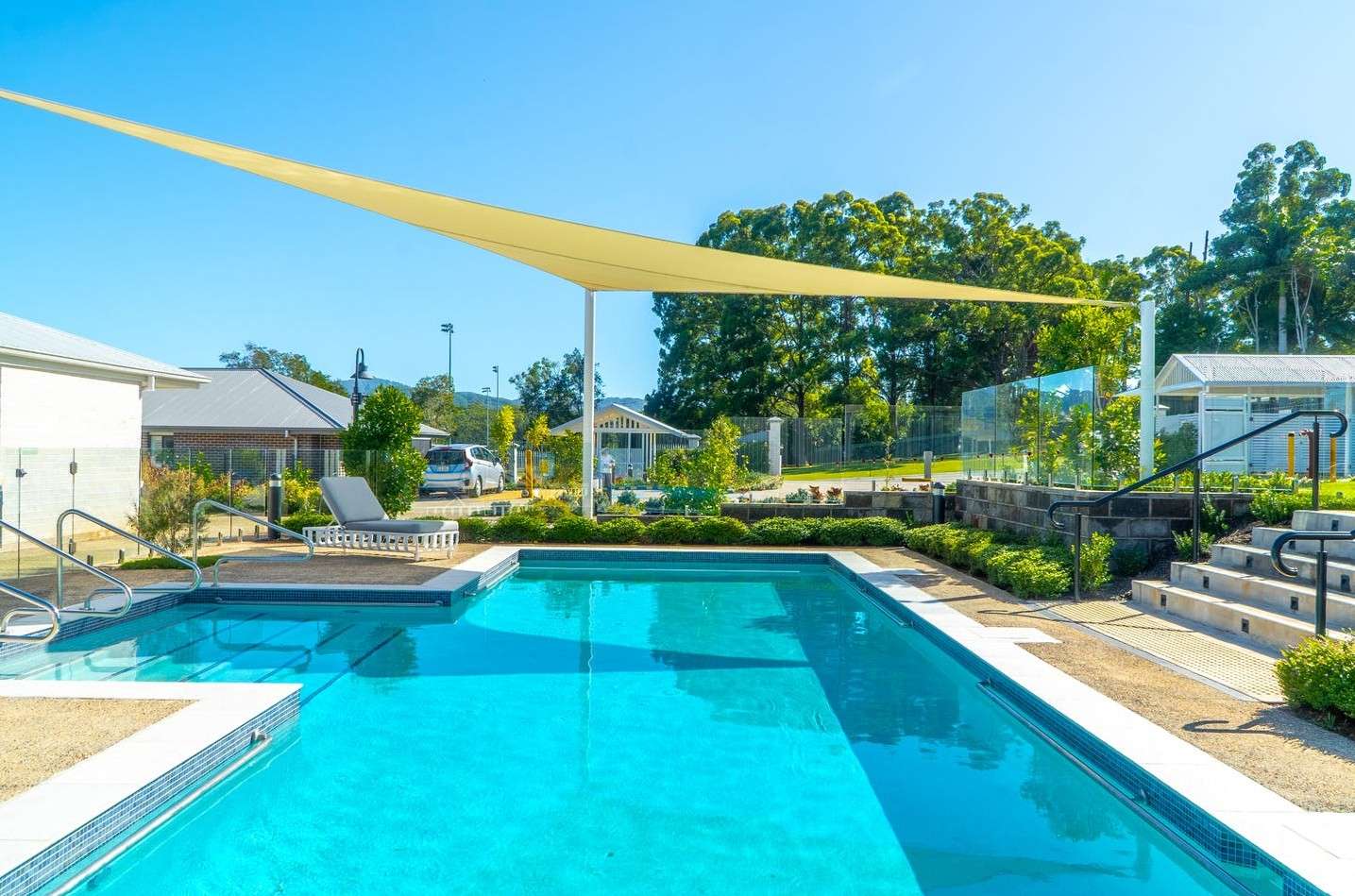
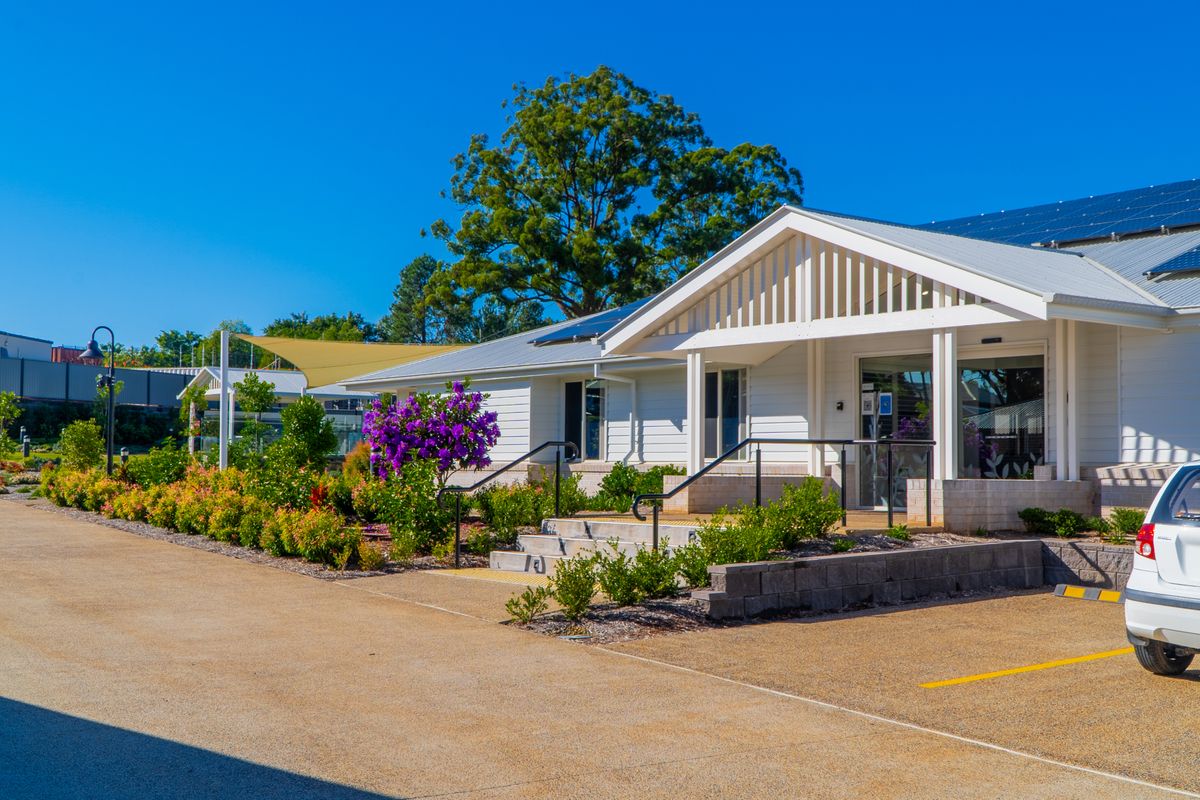
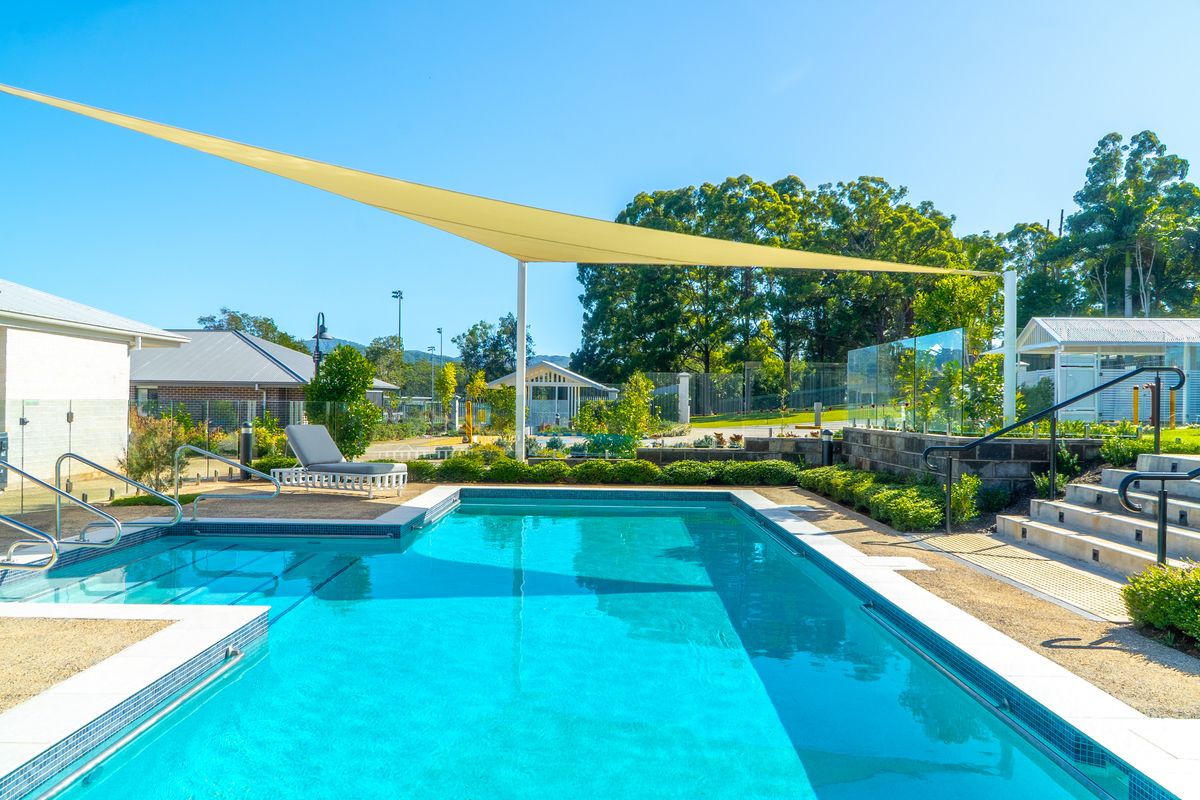
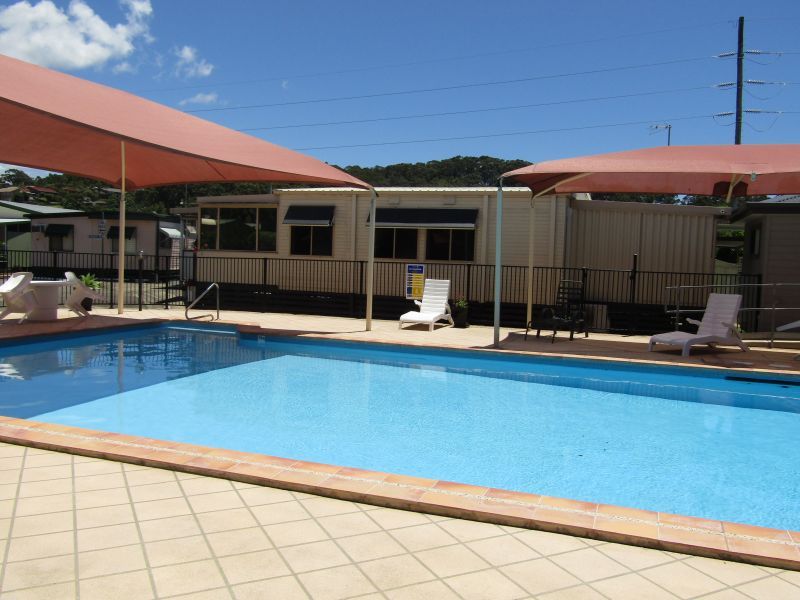
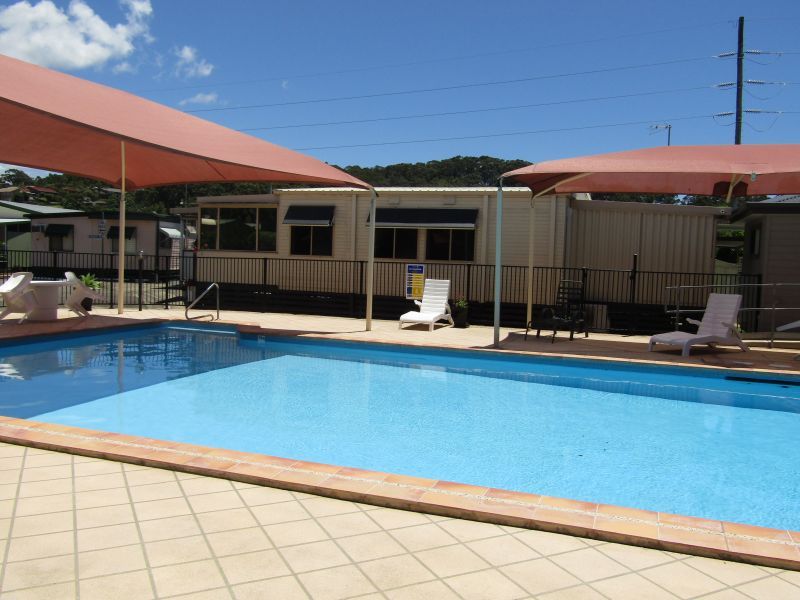
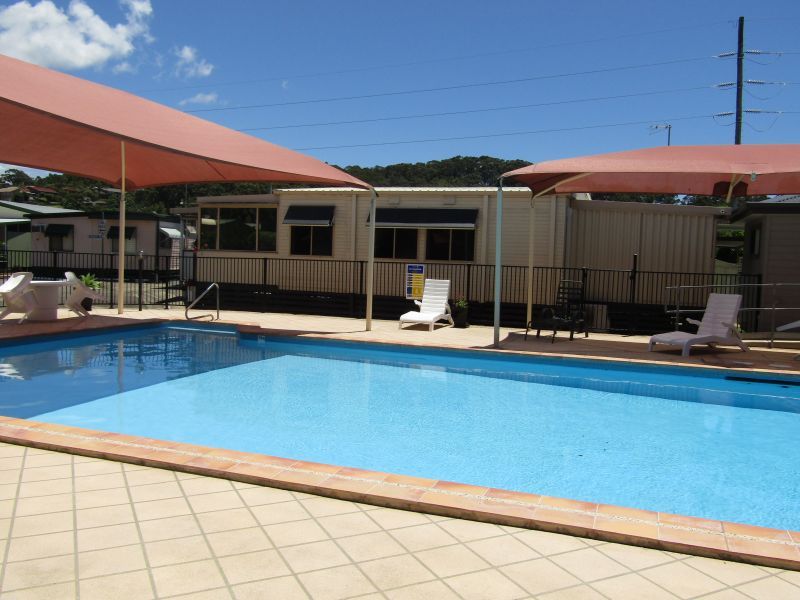
Retirement villages are well established. Most offer independent living villas or units with shared facilities, often a clubhouse, pool or bowling green. Some also have serviced apartments on site, or sit next to an aged care home, which helps if one partner later needs more care.
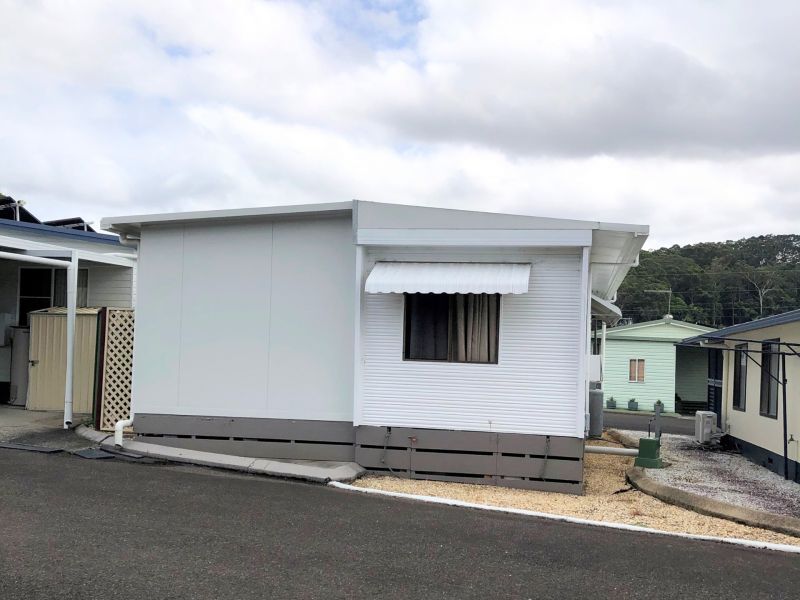
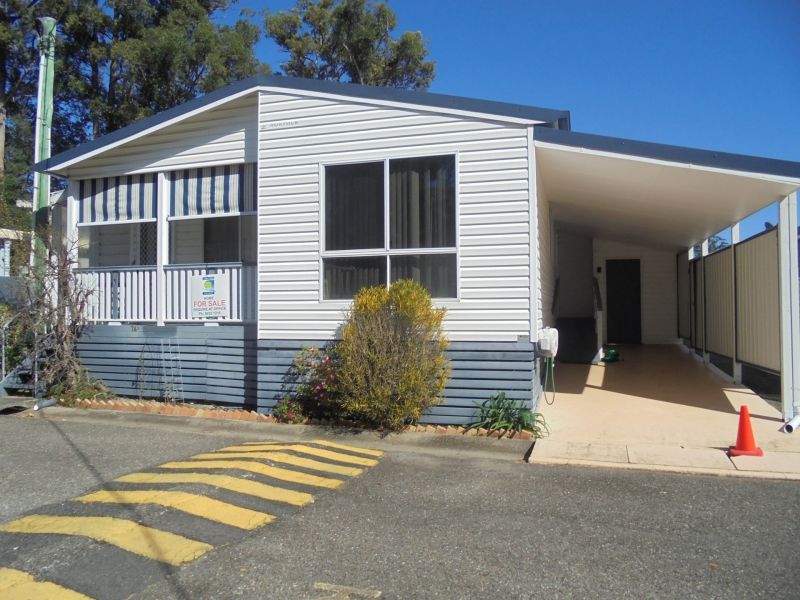
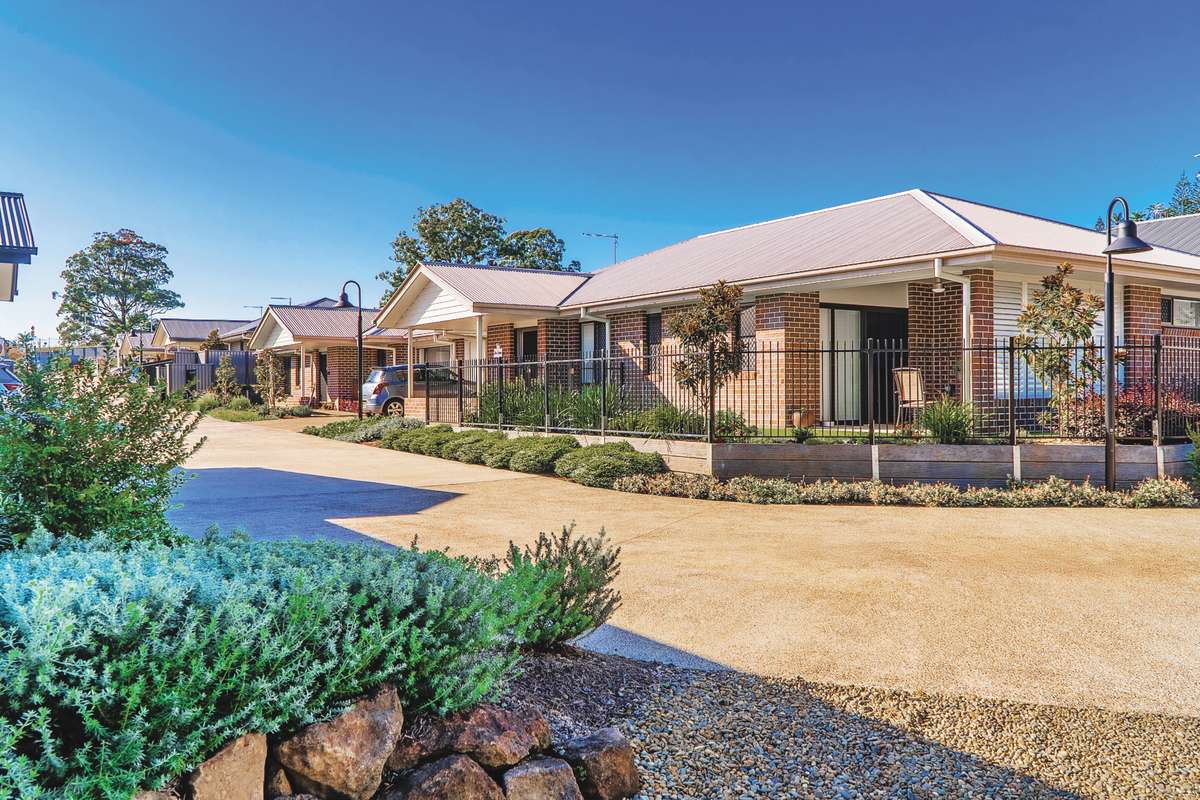
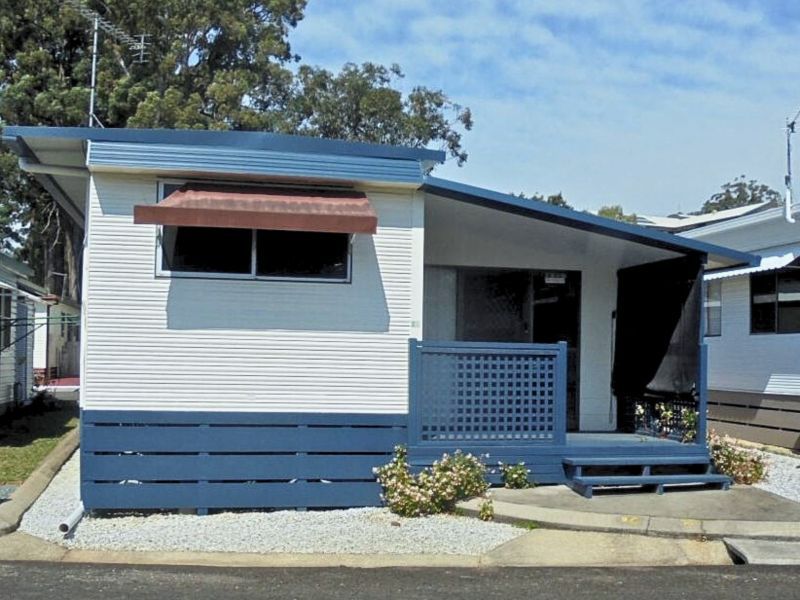
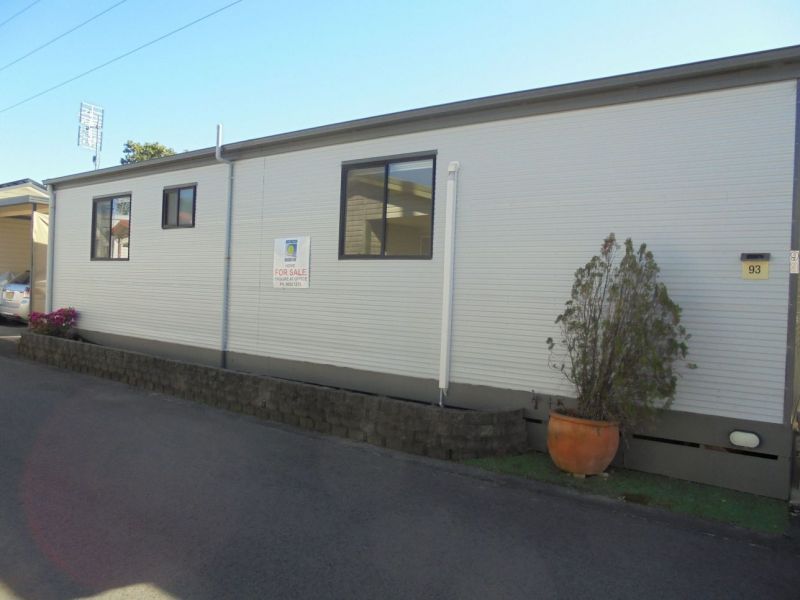
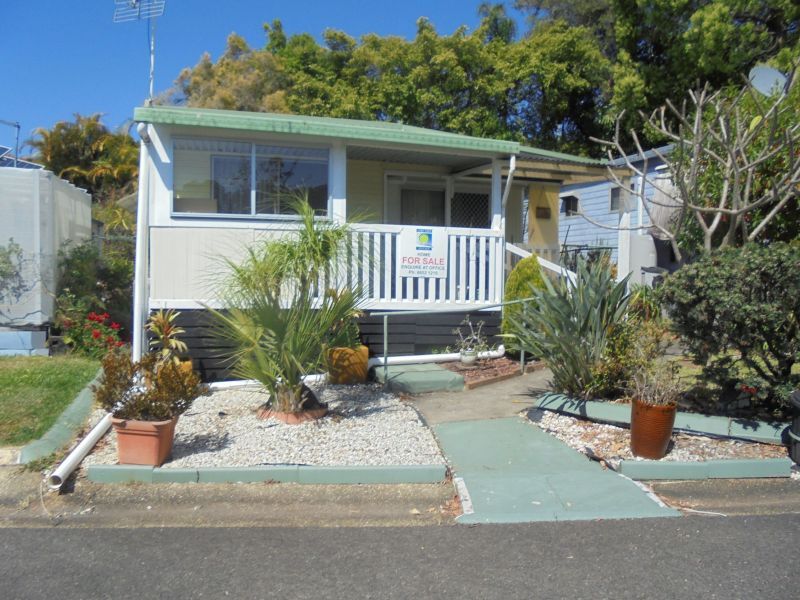
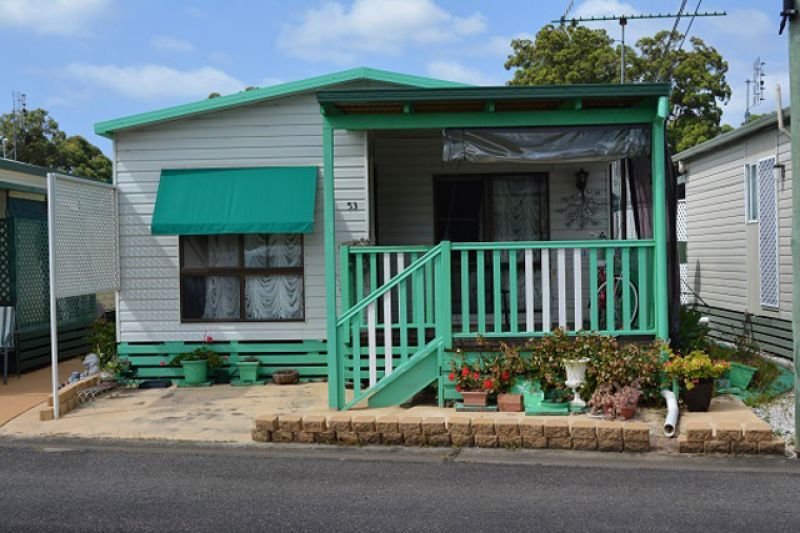
Land lease lifestyle communities are the main alternative. You buy the home and pay a site fee for the land, with access to the community's facilities and social events. They tend to suit active retirees who want independence and company in roughly equal measure.
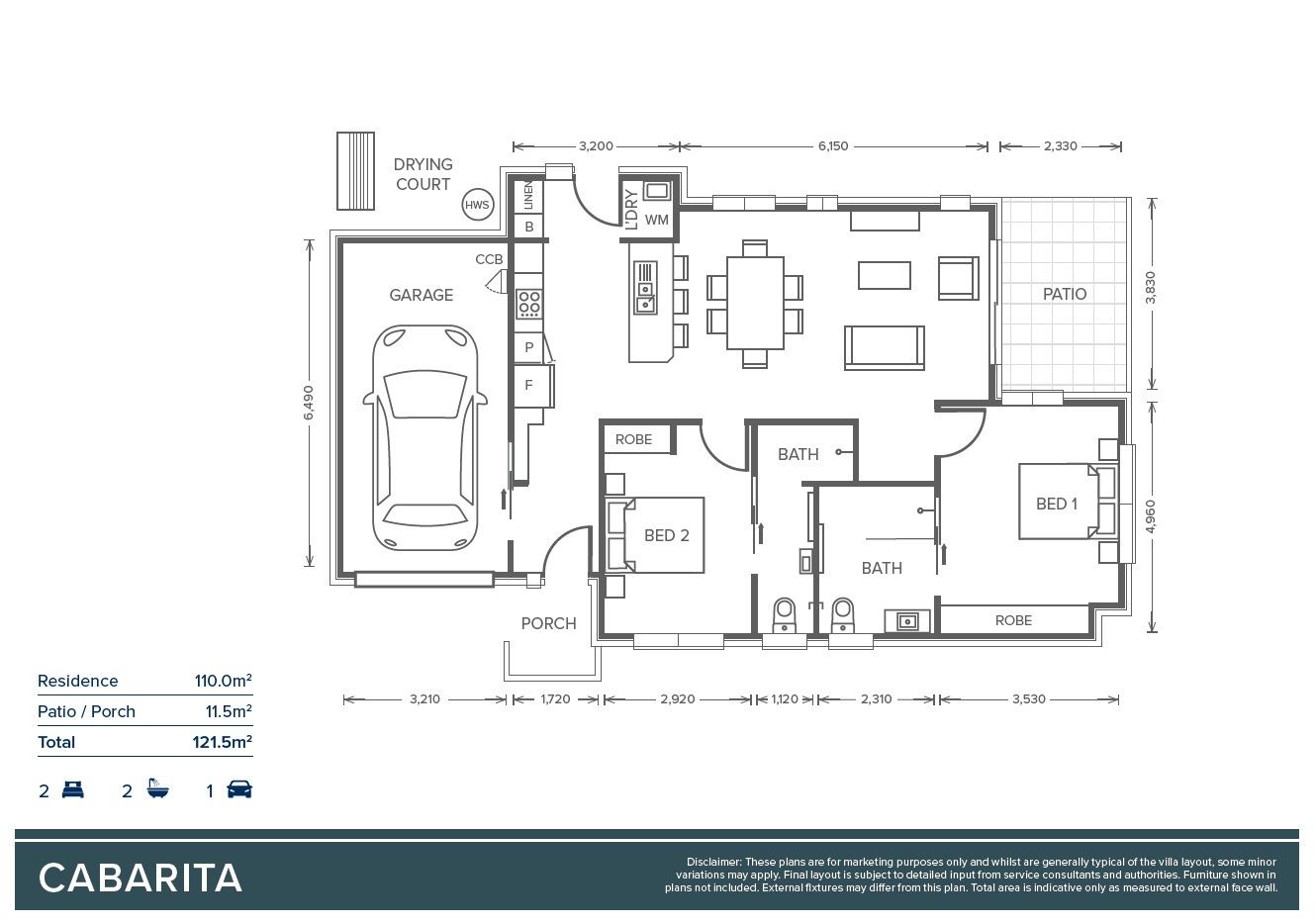
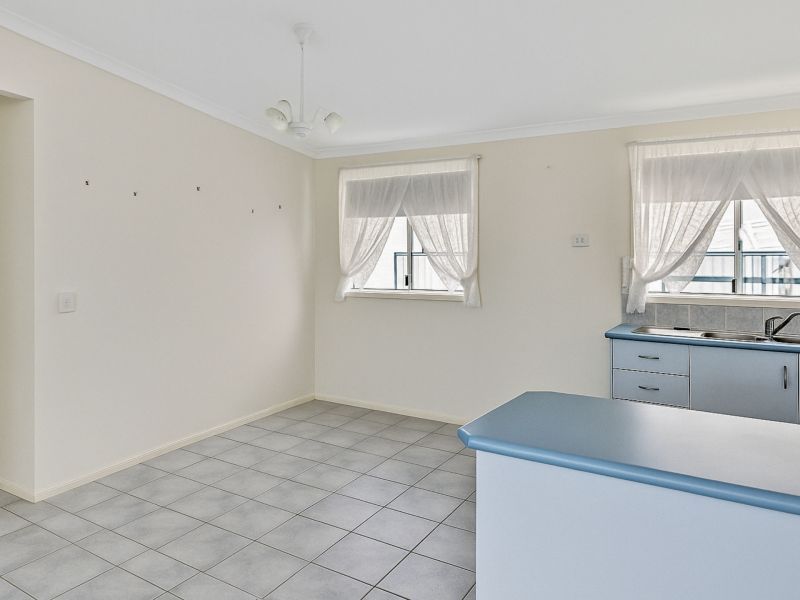
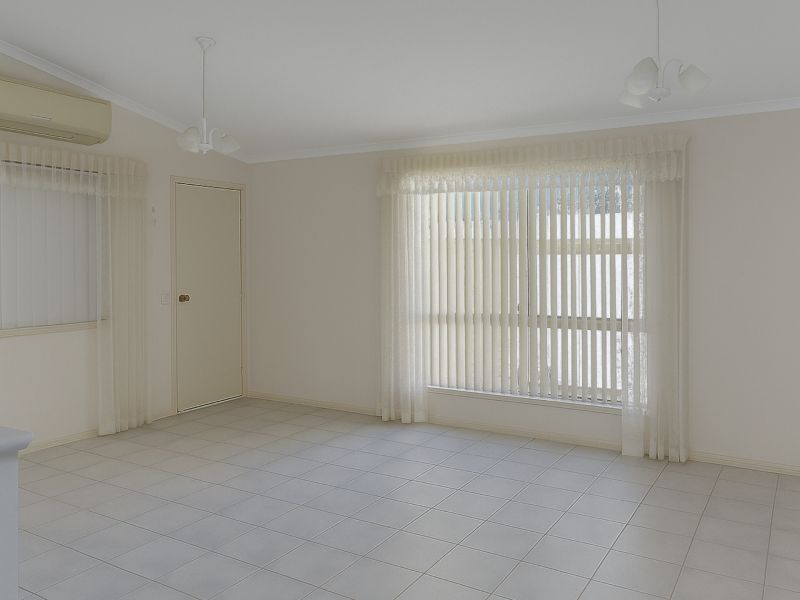
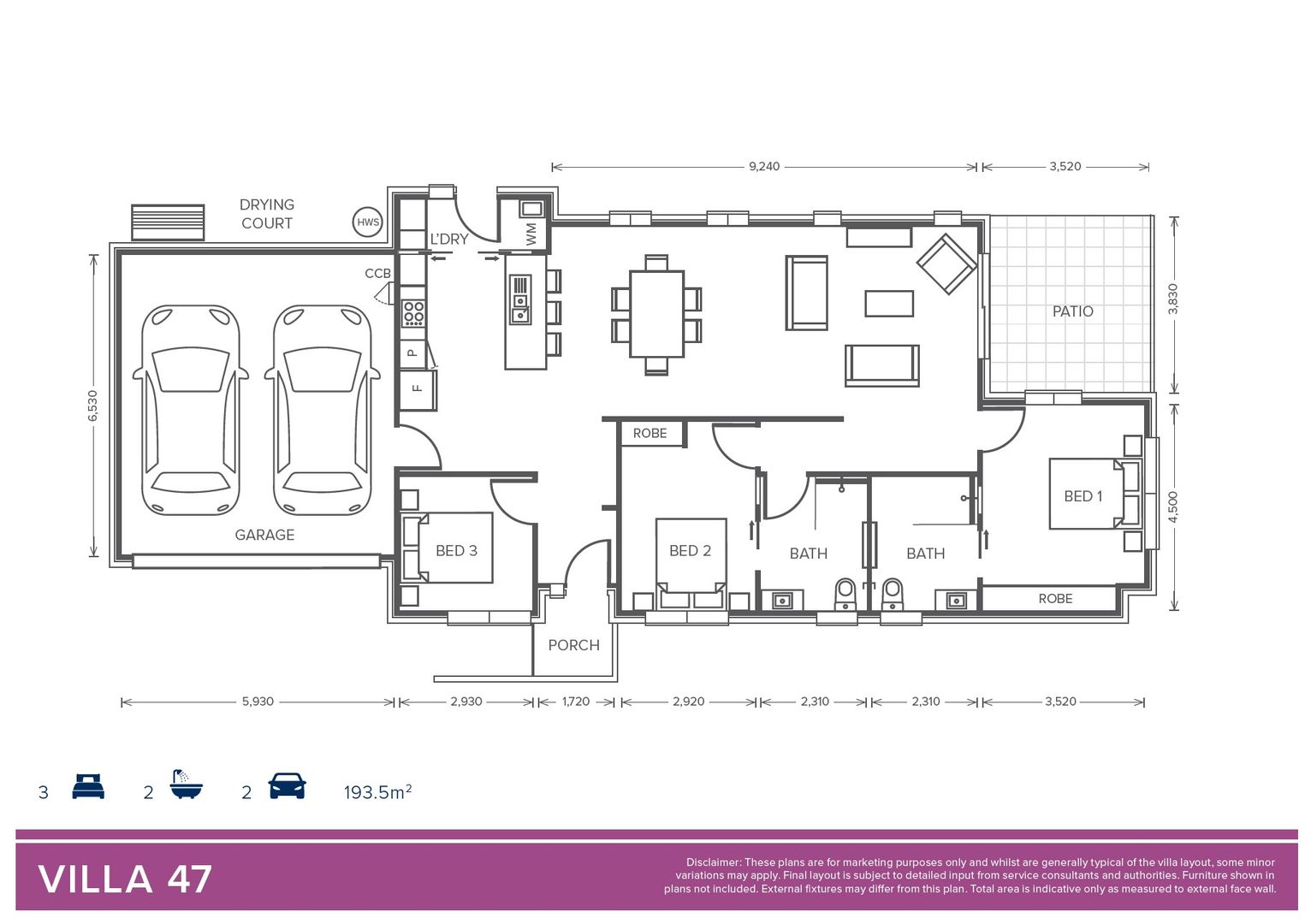
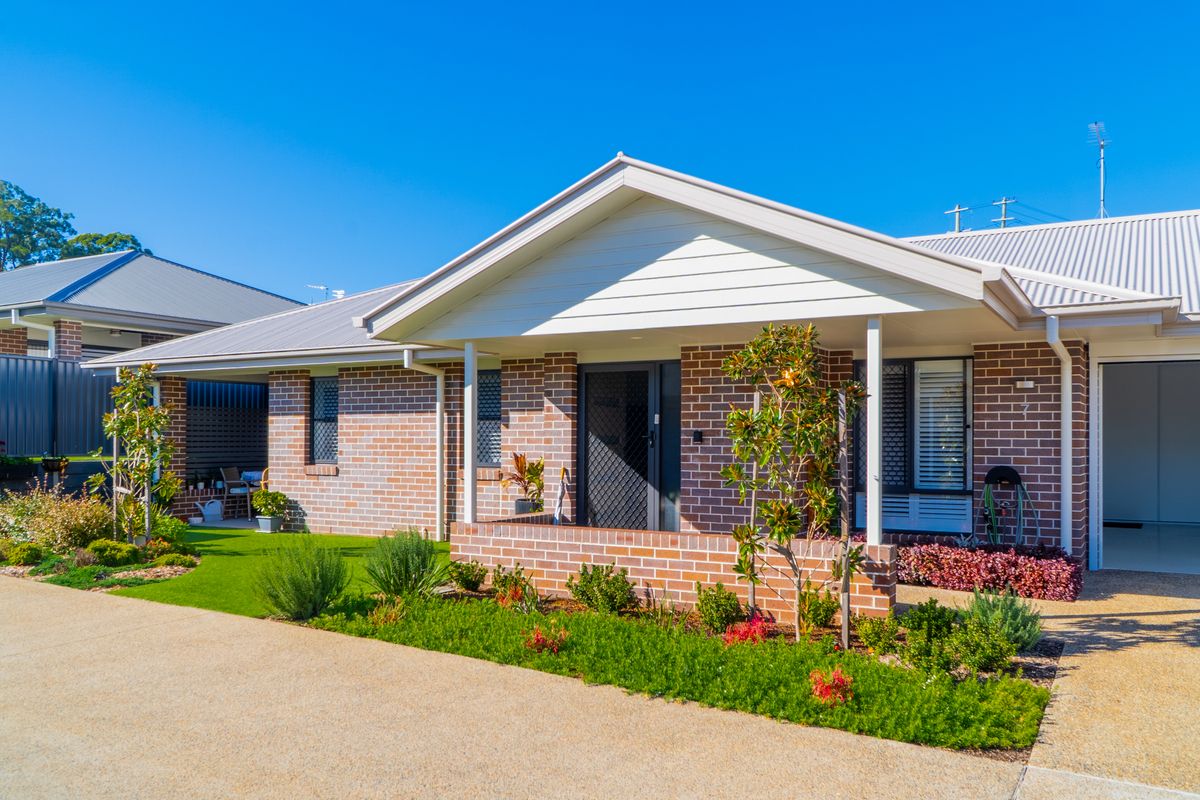
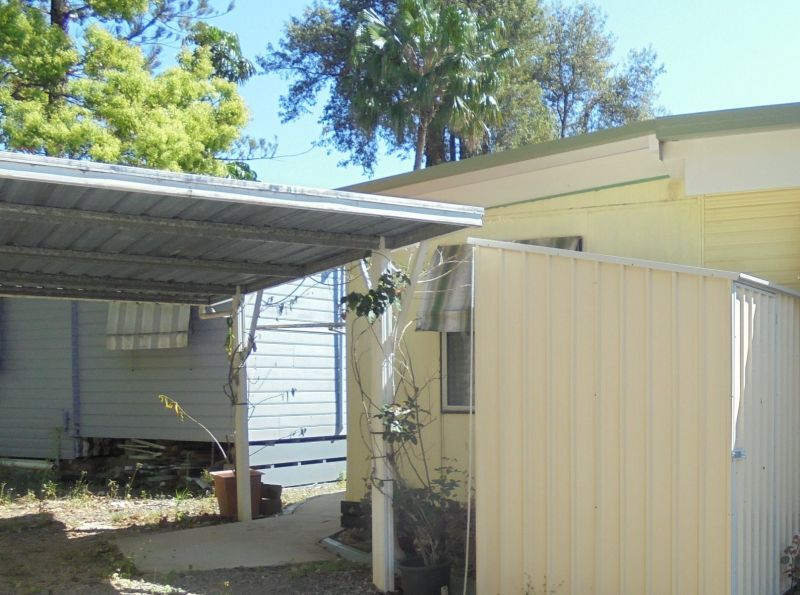
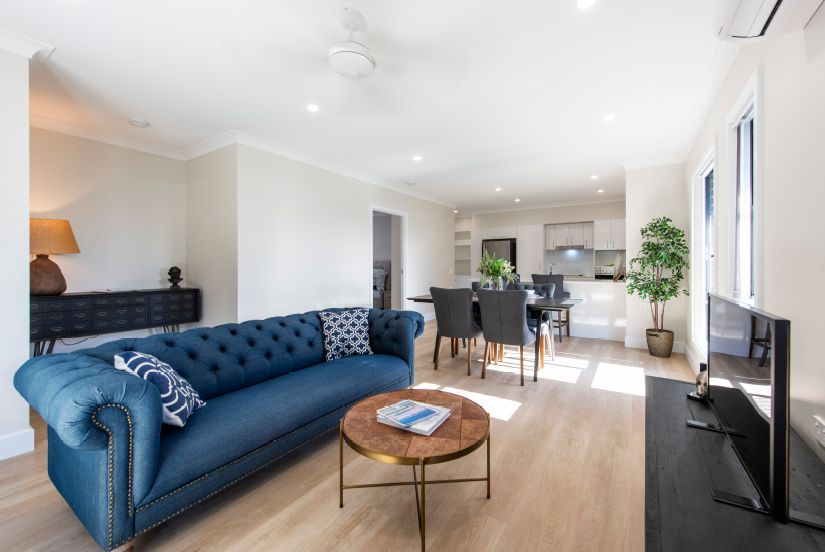
Villas and units outside communities give you your own space with less upkeep and no village rules. Single-level homes with a small garden are the usual choice for people leaving a bigger house.
Apartments near the jetty, Park Beach or the city centre suit people who want to walk to the beach and cafes. Some have lifts and secure parking.
Rentals are offered by some providers, which can work for people not ready to buy or wanting to try the area first.
Prices differ across the area. Homes close to the jetty and beaches usually cost more than similar villas in Toormina or Boambee East, so a short drive can stretch your budget. As with any coastal city, check the council's flood maps and get an insurance quote before you buy.
The suburbs around Coffs Harbour broaden the choice. Sawtell and Toormina to the south and Woolgoolga to the north each have their own retirement housing. Downsizing brings together retirement properties across all of them, so you can compare Coffs Harbour with its neighbours in one search.
With a good number of villages to choose from, comparing them properly takes some effort. These are the checks that tend to separate one village from another.
Location first. Villages near Coffs Harbour Health Campus or the city centre suit people who want services close by. Those in Sawtell or the northern beaches are quieter. Think about the walk to the shops, not just the drive.
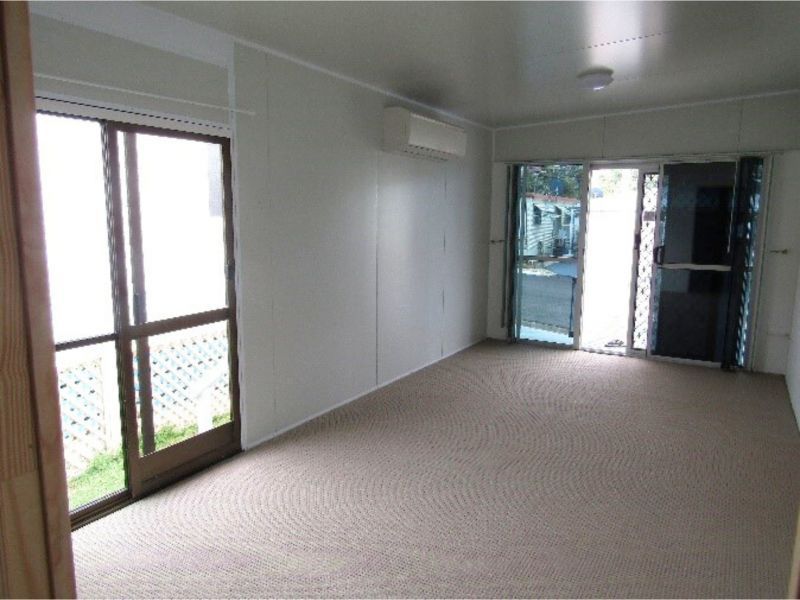
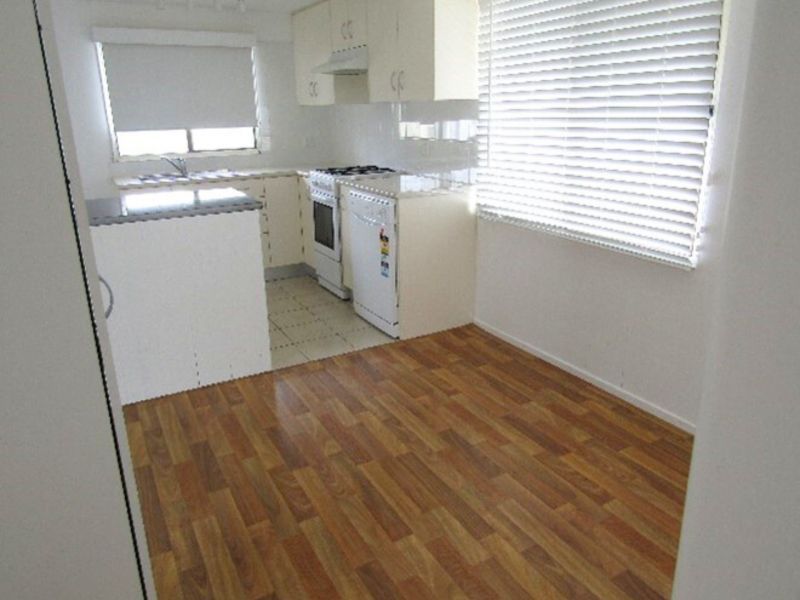
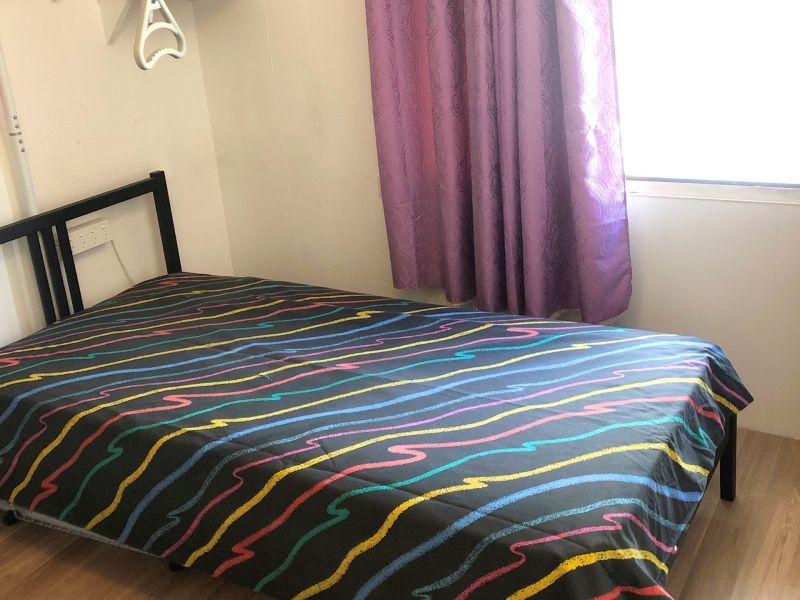
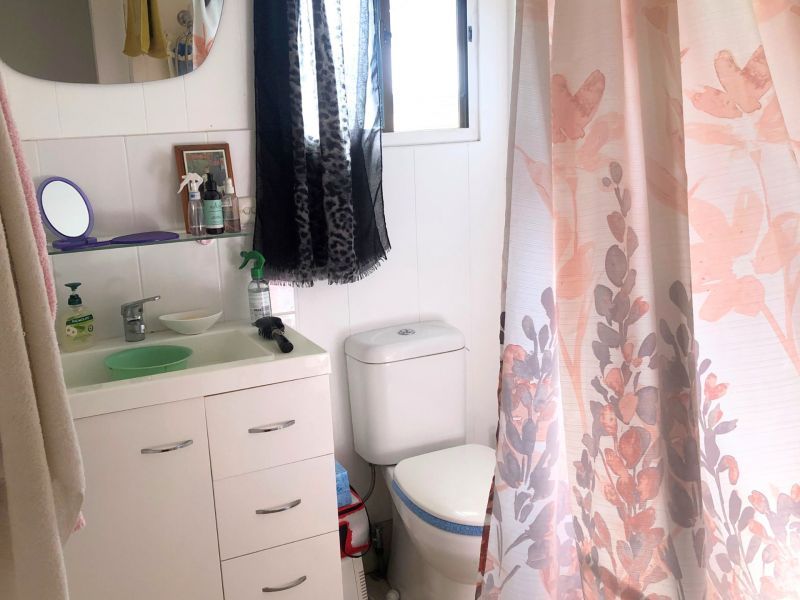
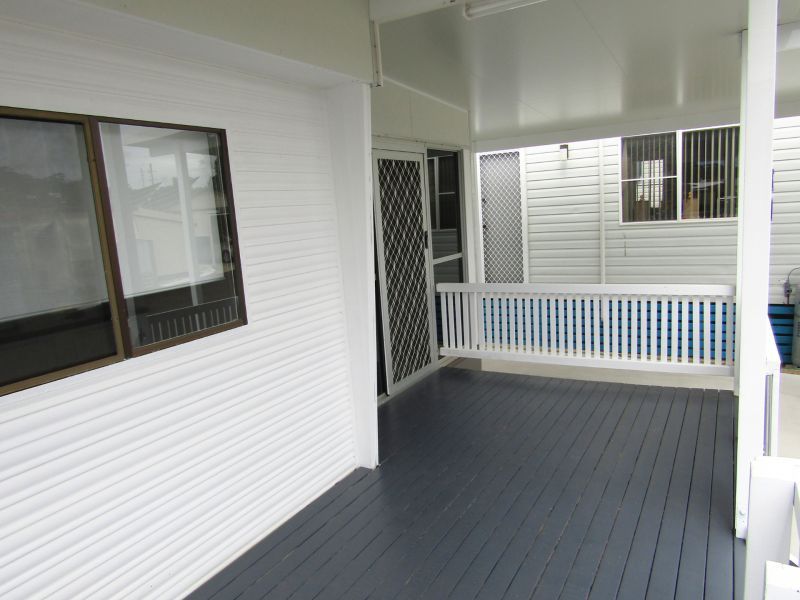
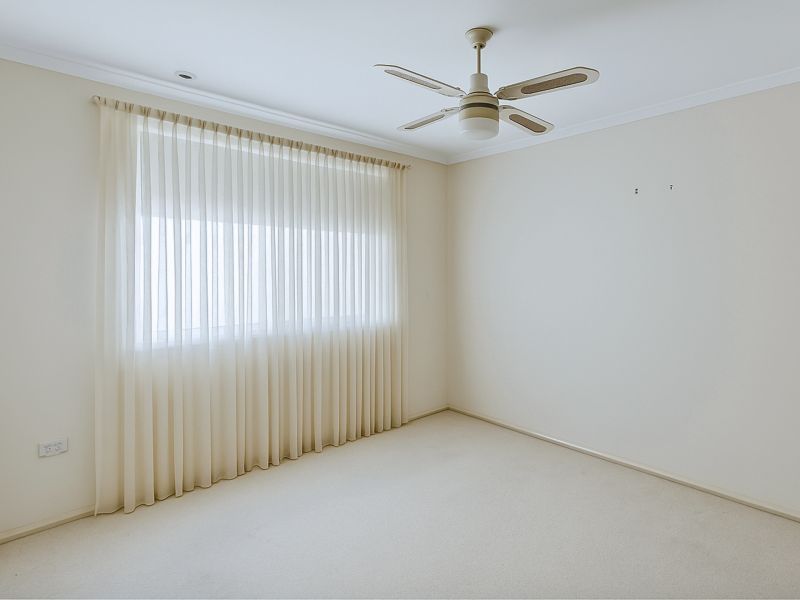
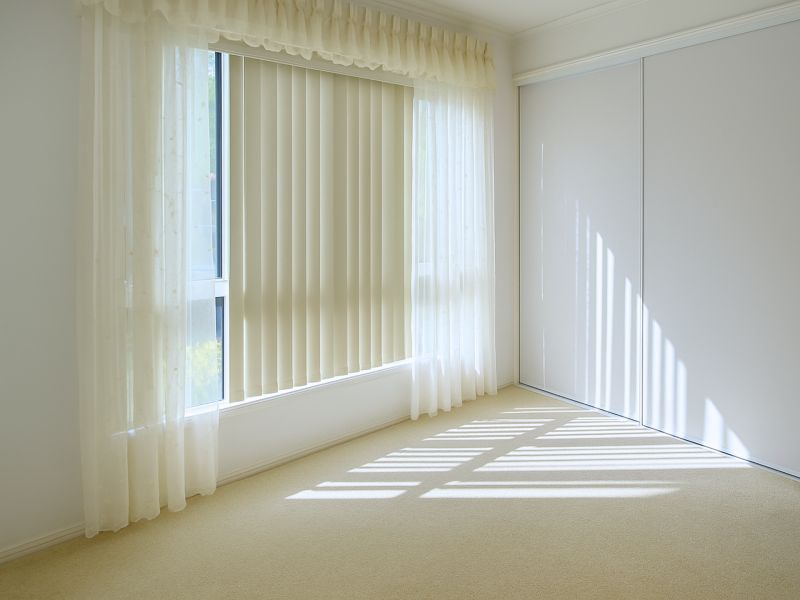
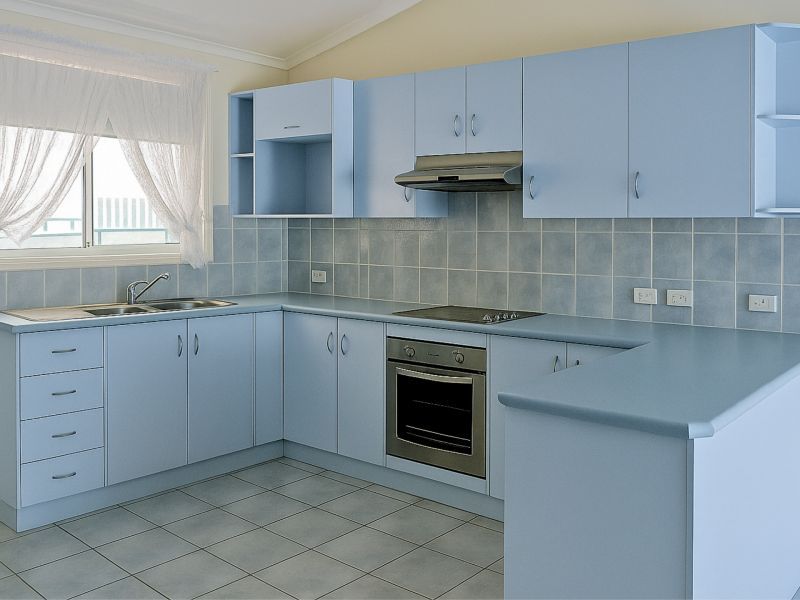
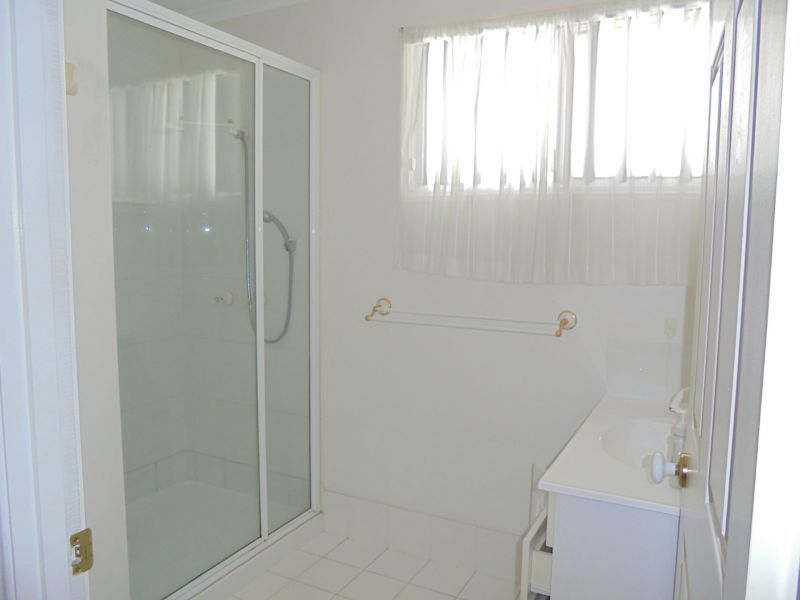
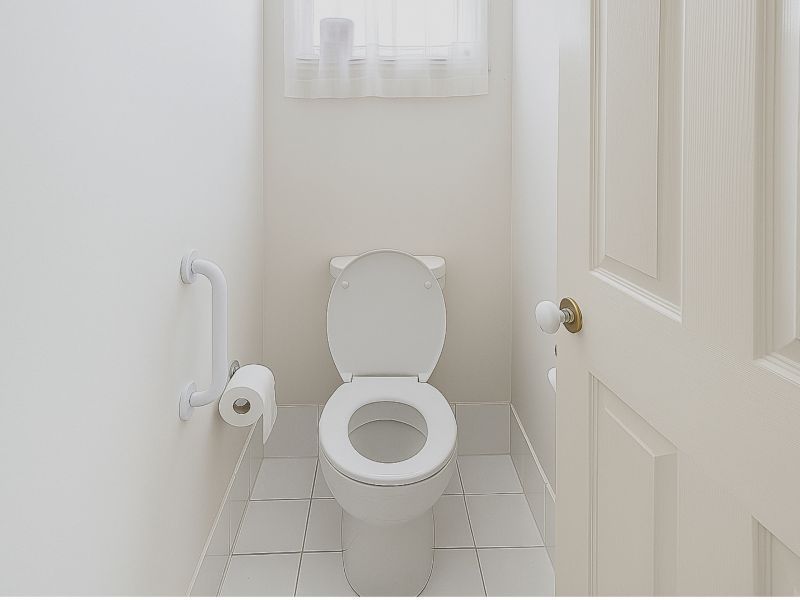
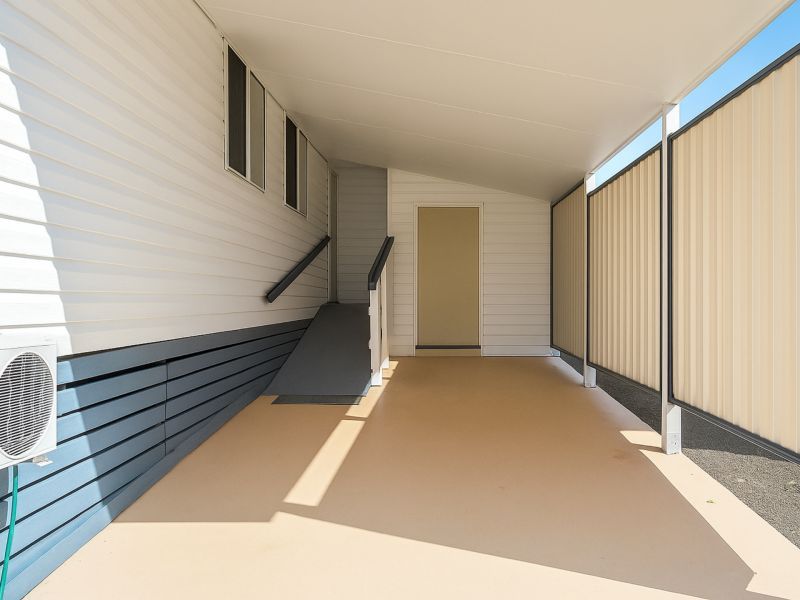
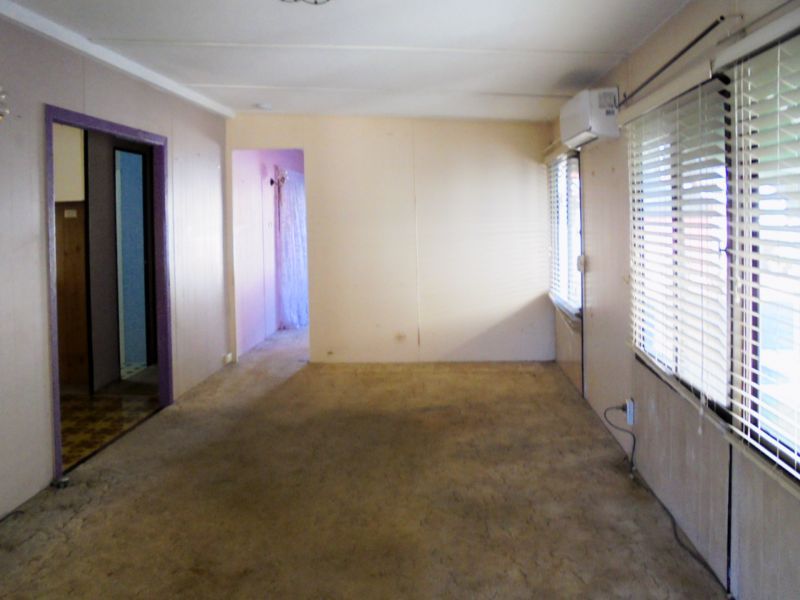
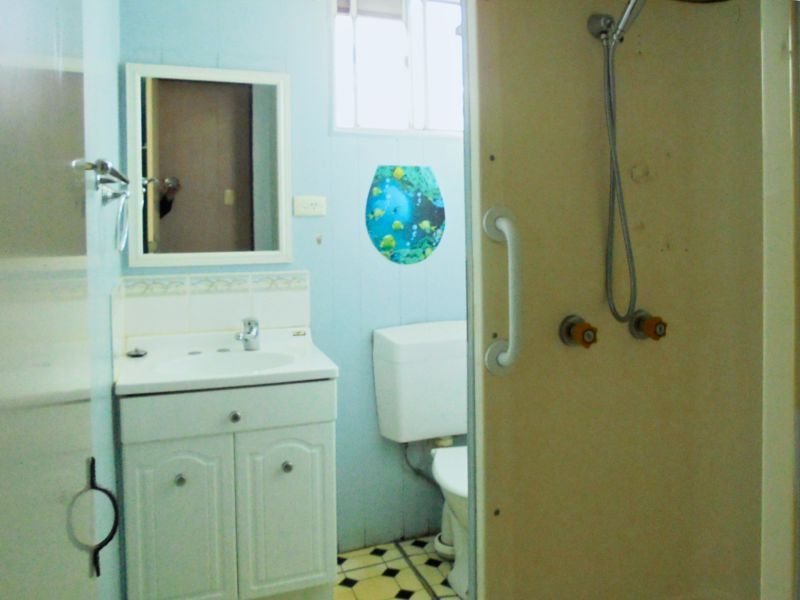
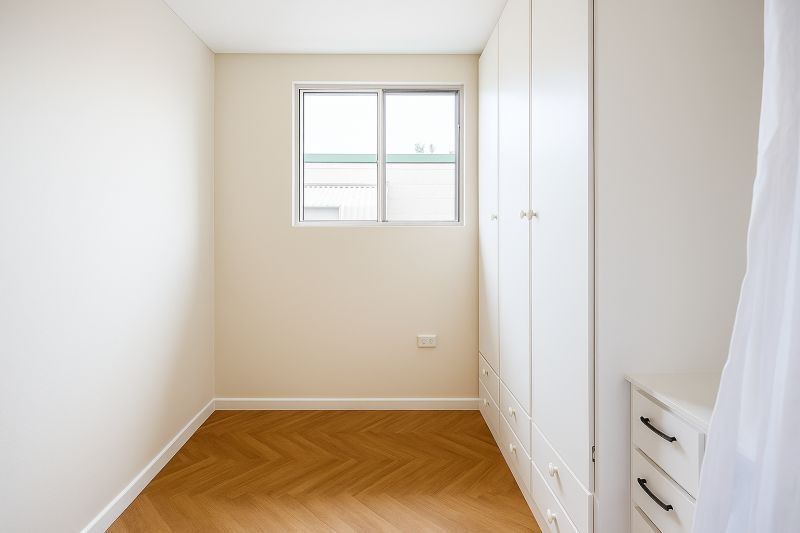
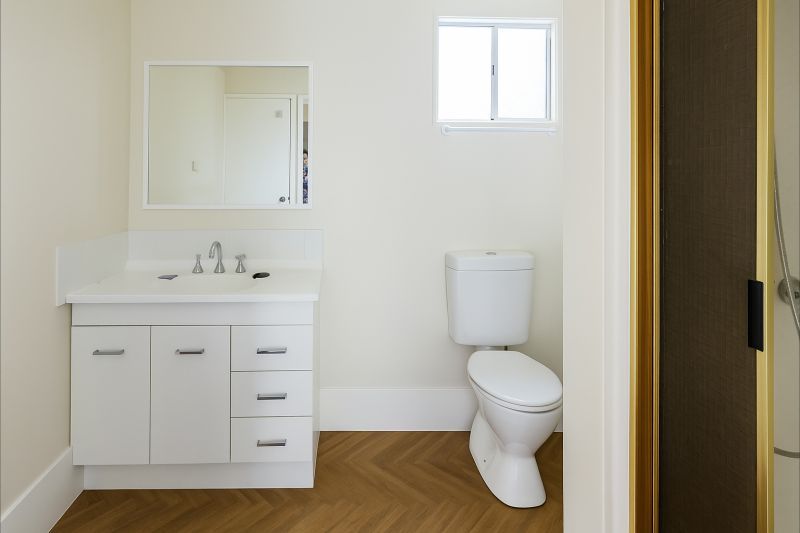
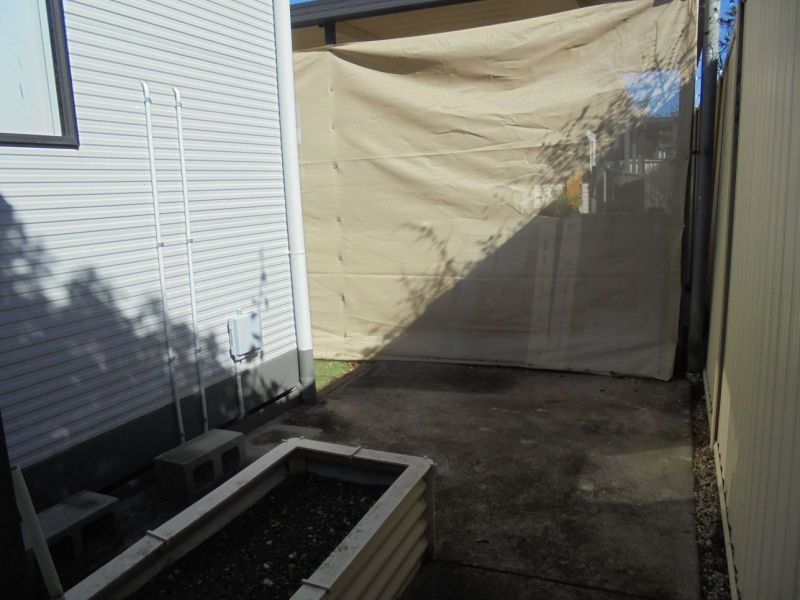
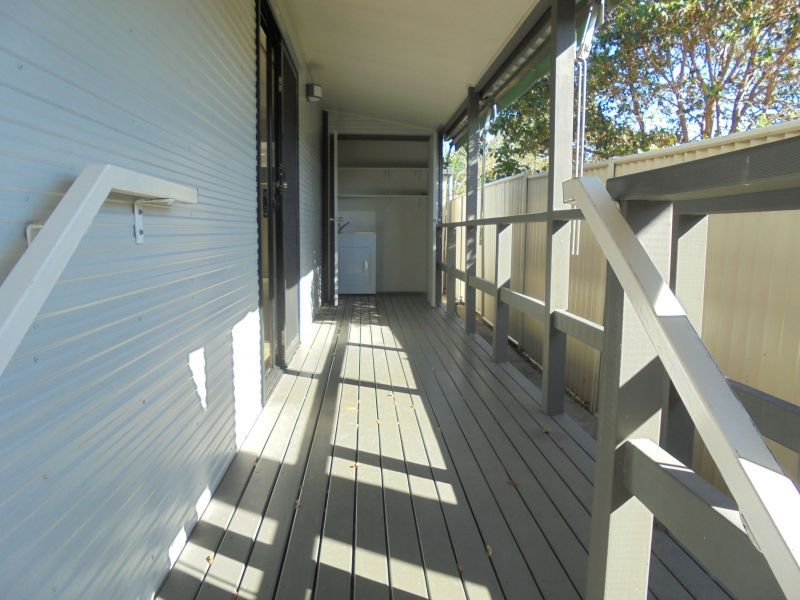
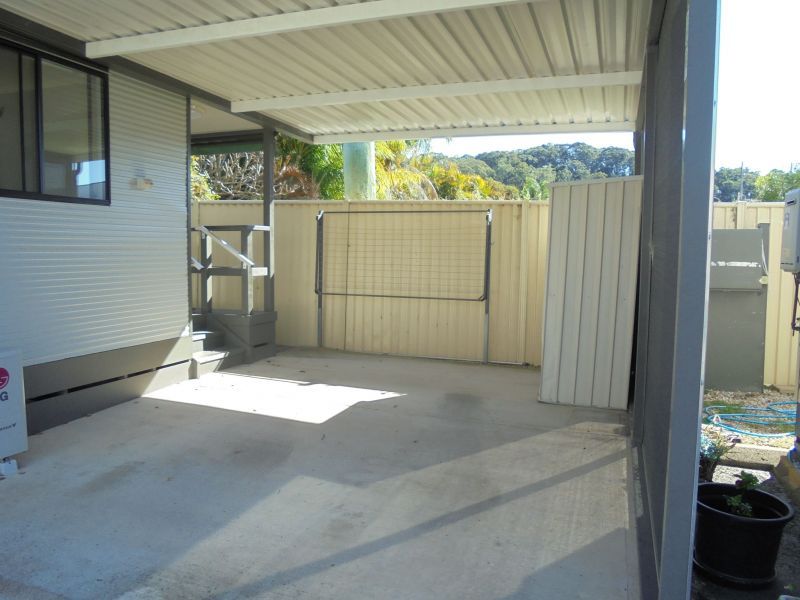
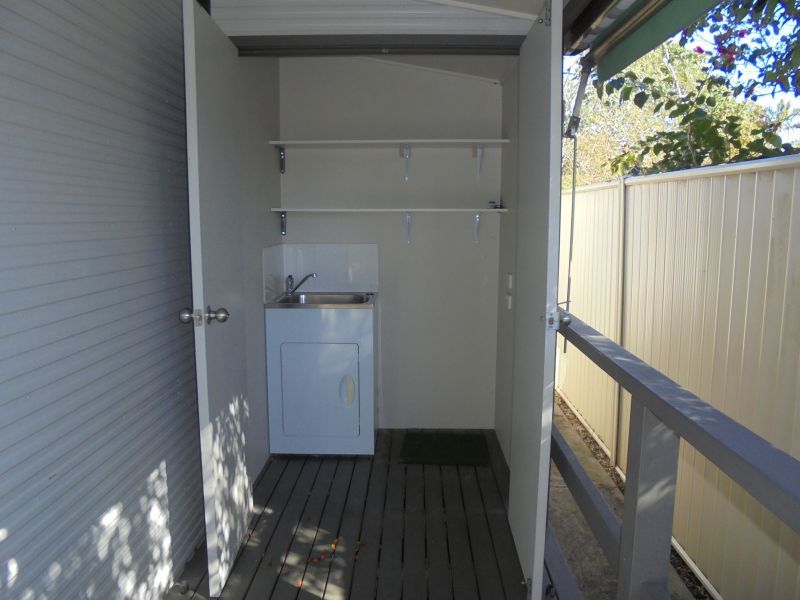
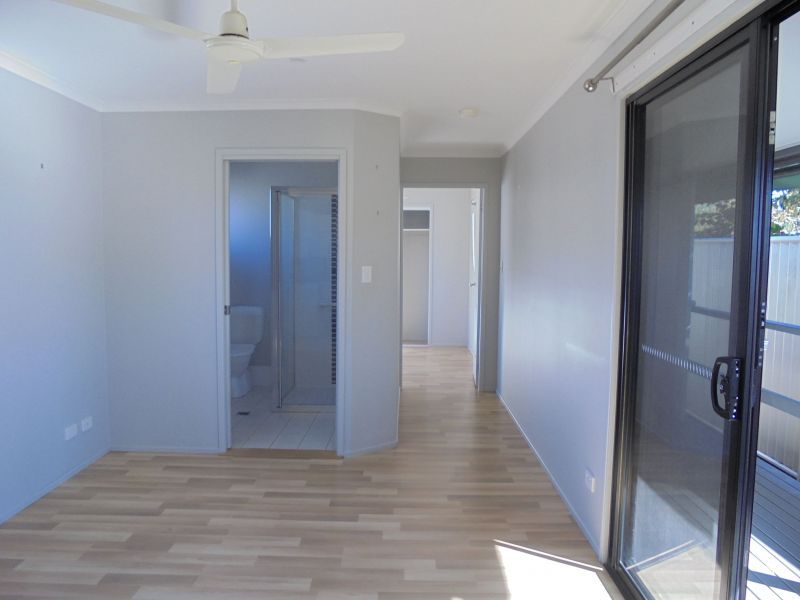
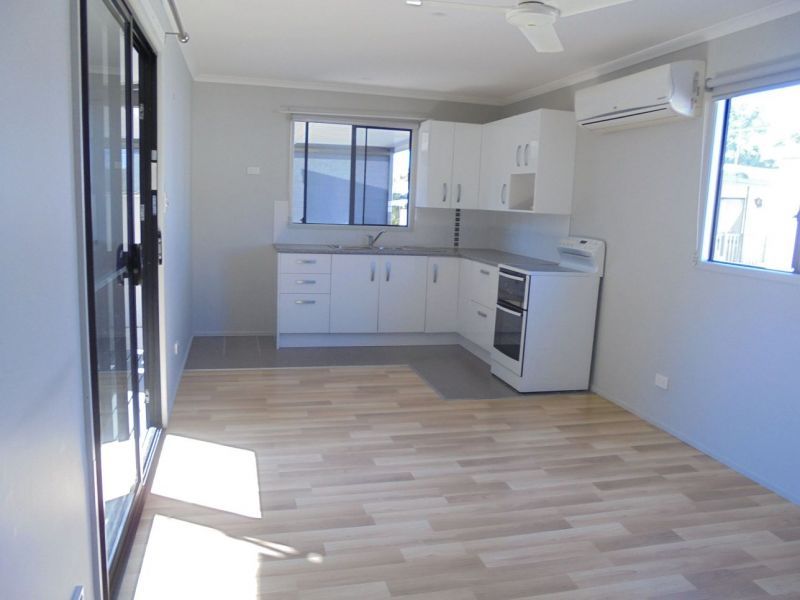
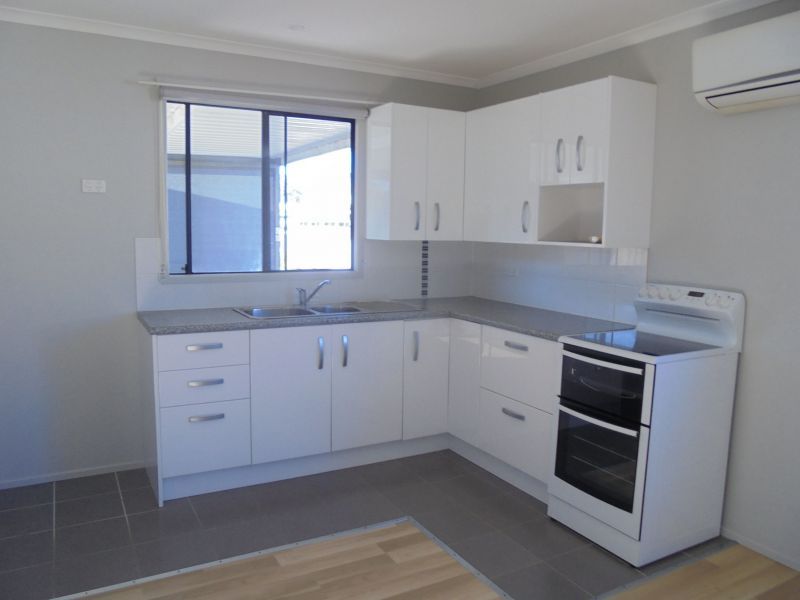
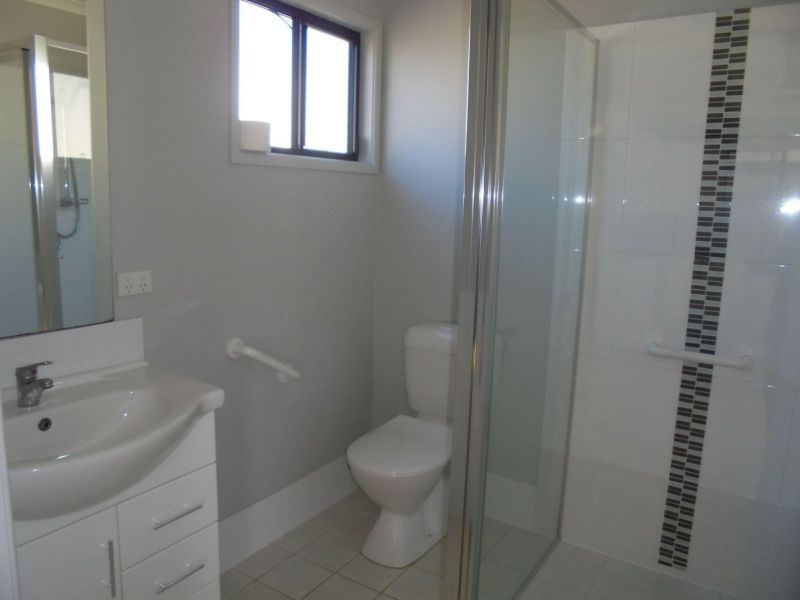
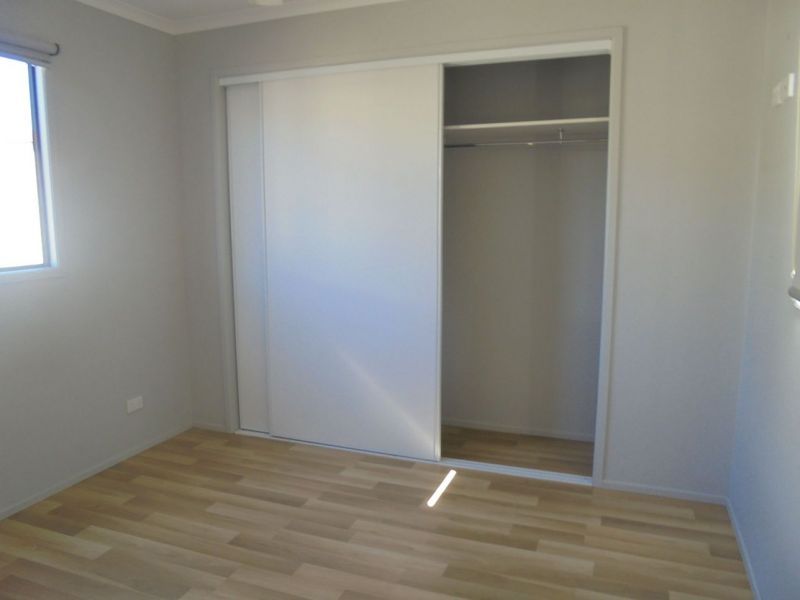
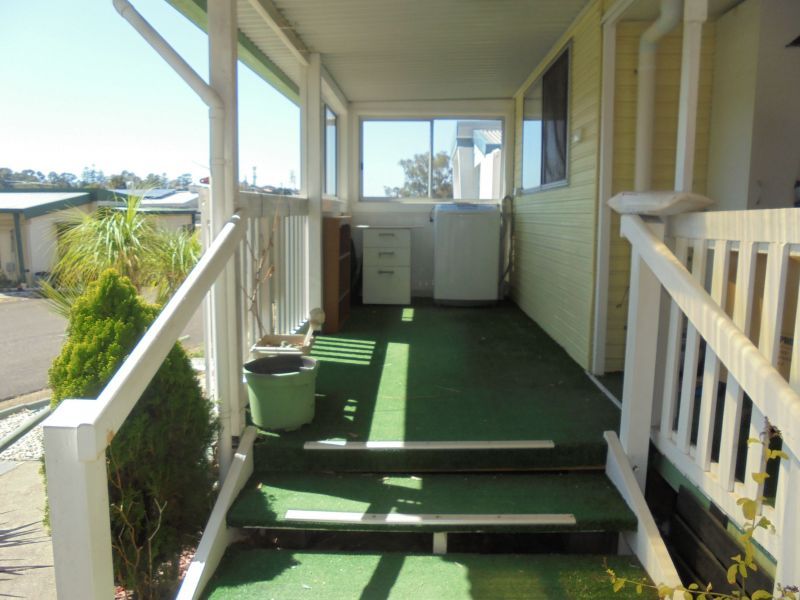
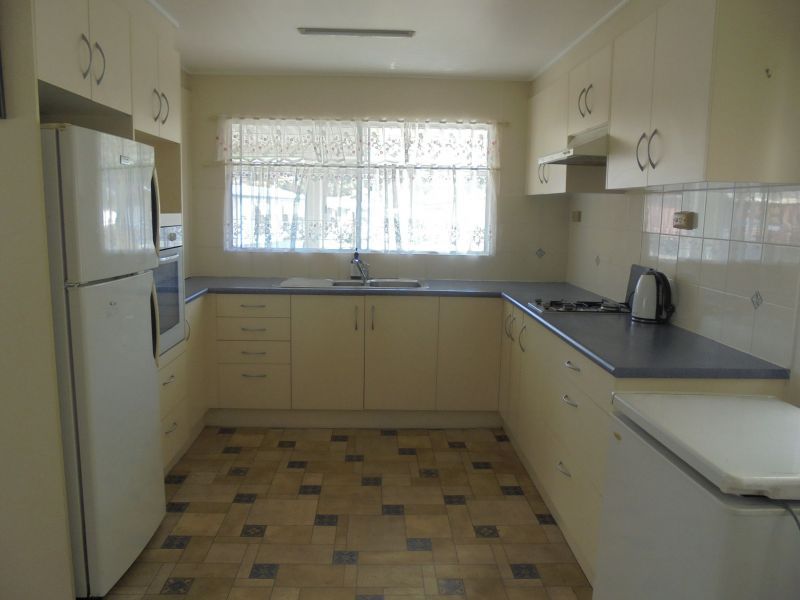
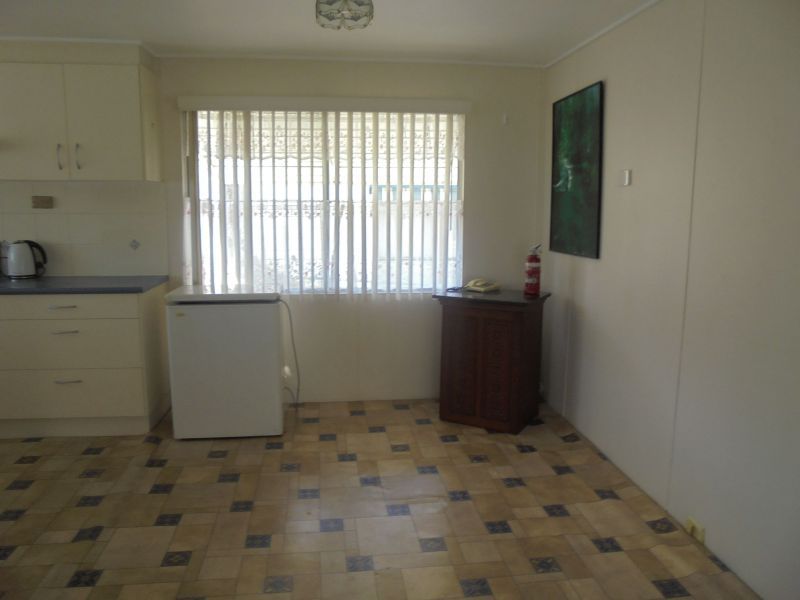
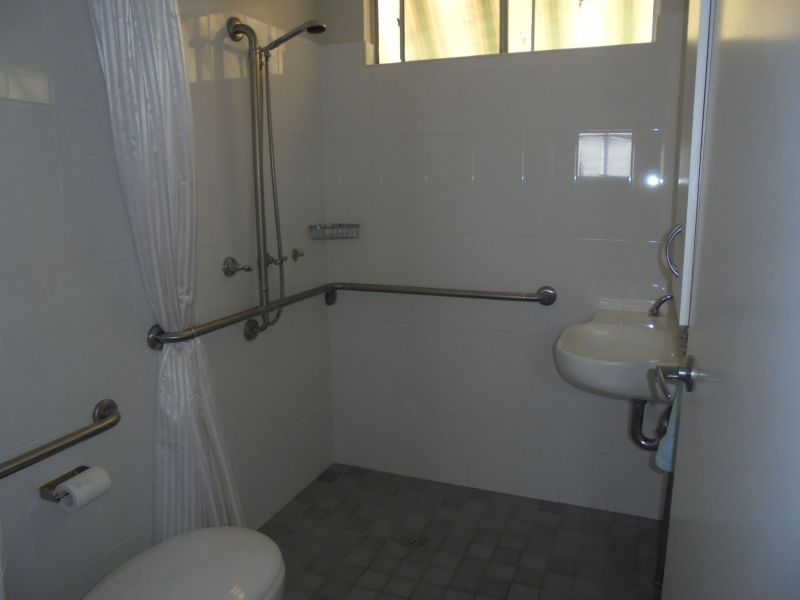
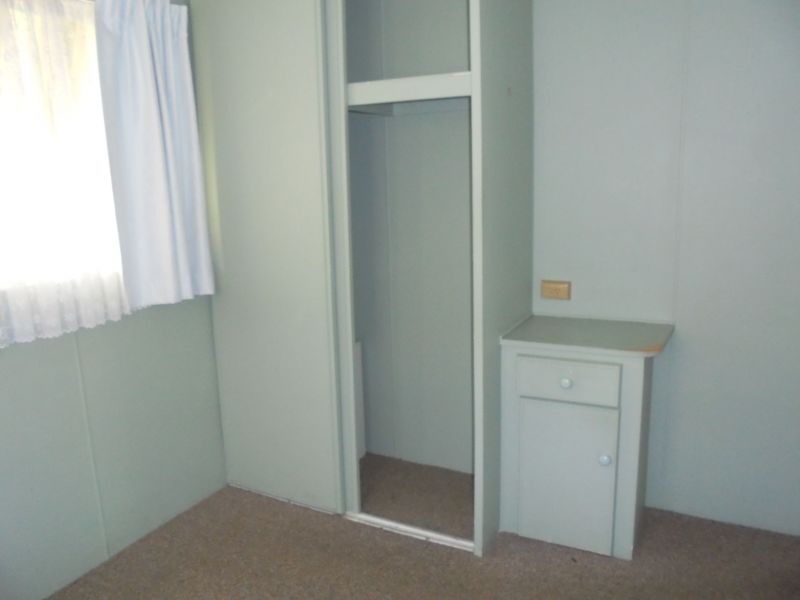
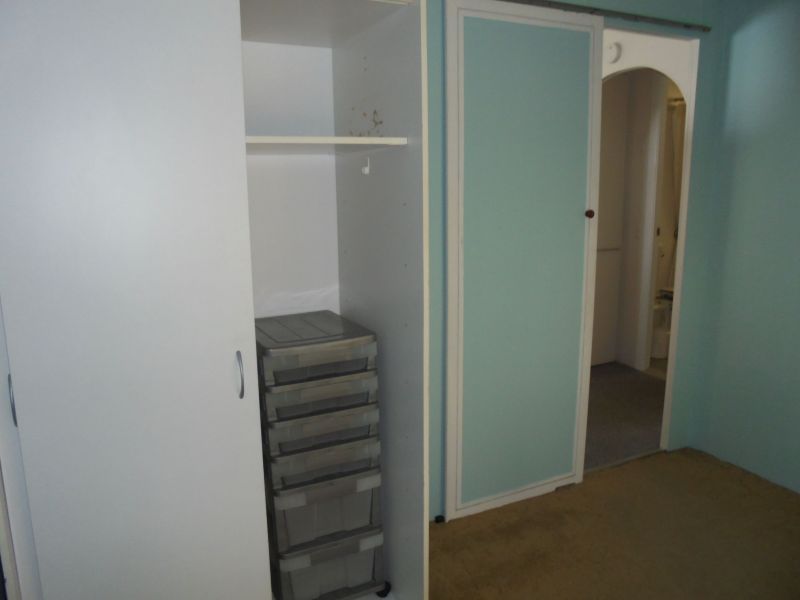
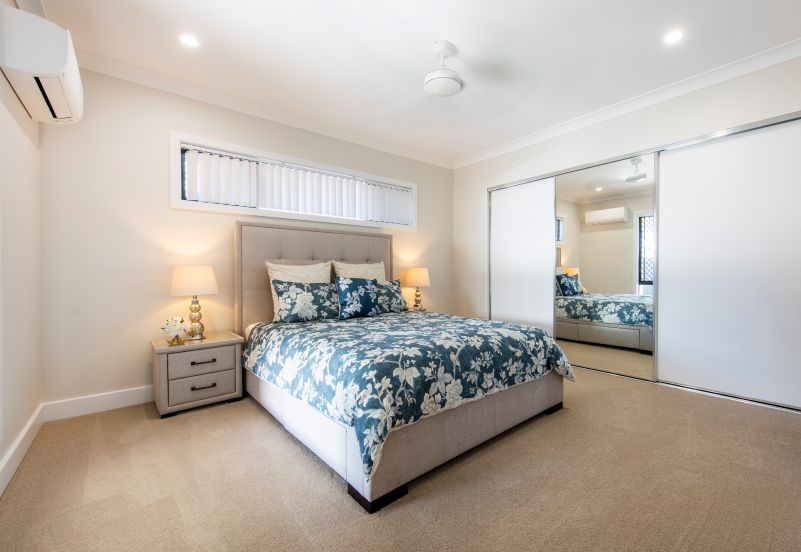
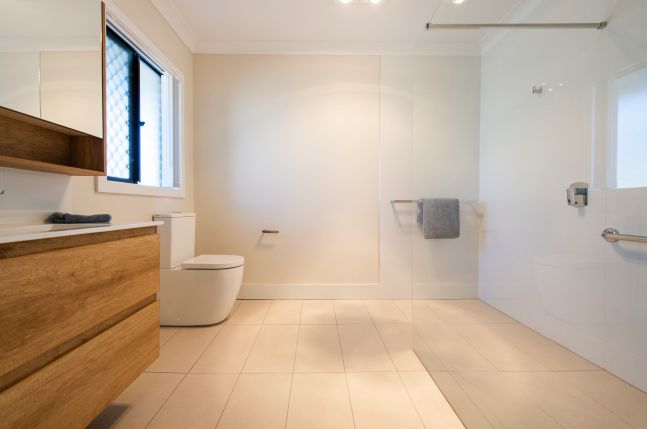
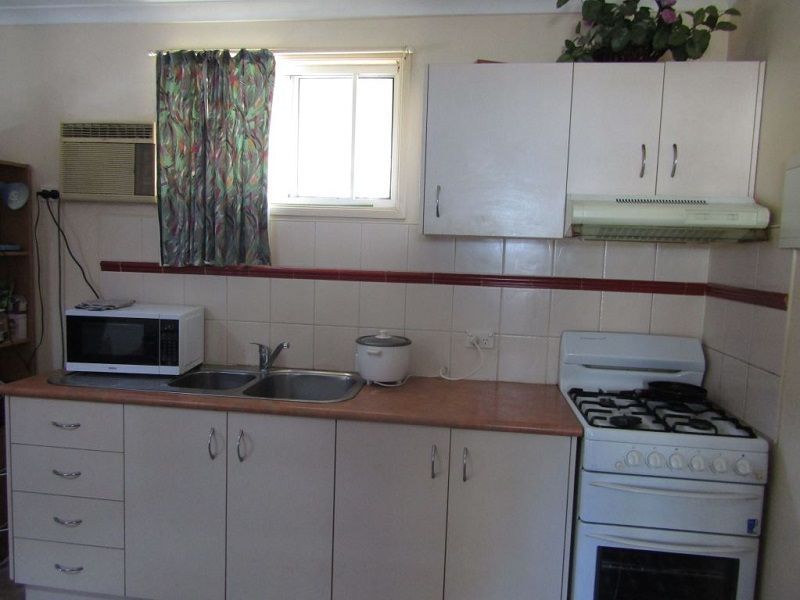
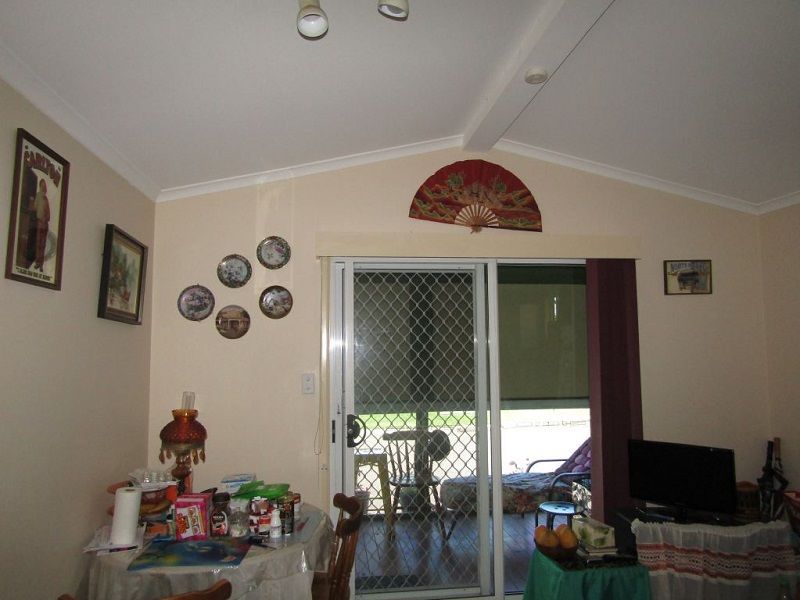
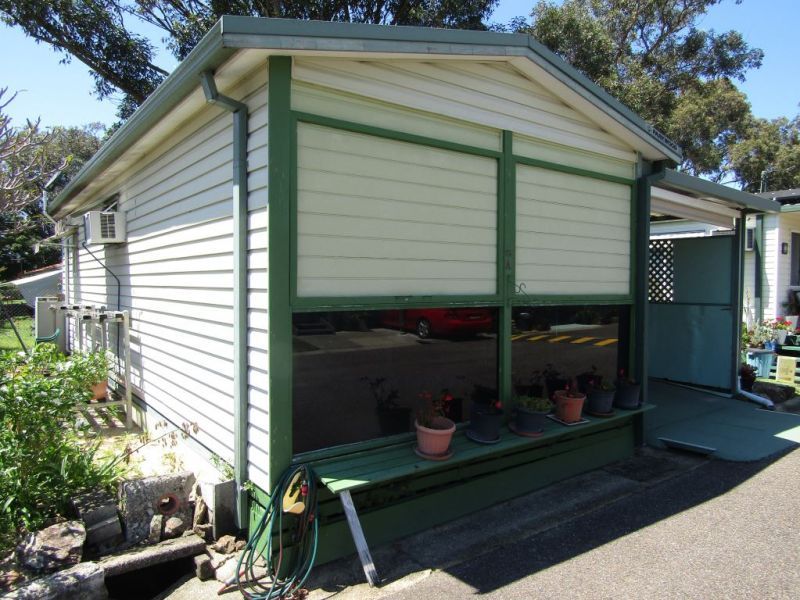
Then the homes themselves. Compare bedrooms, storage, parking and outdoor space. Single-level living, step-free access and air conditioning add comfort now and matter more later.
Facilities and feel come next. Some villages have a pool, gym, library, bowling green and a packed calendar. Others are smaller and quieter. Be honest about which facilities you will use, since you pay for all of them through the recurrent charge.
Read the contract. Retirement village contracts in New South Wales may be leasehold, licence or strata title, and each gives you different rights. Operators must give you disclosure documents before you sign, so read them in full.
Get the fees in writing. Ask about the ingoing contribution, the recurrent charge, the Deferred Management Fee and how capital gains or losses are split. Then work out the total cost of staying five years and ten years in each village.
Ask about support. Some villages offer emergency call systems, on-site staff or links to home care. A few sit next to aged care, which can keep couples close if one partner needs more help.
Talk to the residents. Visit more than once, join an activity if you can and ask residents what they would change. You will learn more in an hour over morning tea than from a brochure.
Look into the village's history. How long has the current operator run it? Have recurrent charges risen sharply? Have there been disputes between residents and management? The residents' committee is usually the best source.

Be the first to receive the latest updates in retirement property with our newsletter