:max_bytes(204800)/https://img.seniorshousingonline.com.au/5f0ef7888da9b8a0b13b021ed8cb4705d266307c)
:max_bytes(204800)/https://img.seniorshousingonline.com.au/bc4e0644063ab2afcc3603920ede322af25c8de7)
Australia is experiencing one of the most significant demographic shifts in its history.
According to the Australian Bureau of Statistics (ABS), more than 4.2 million Australians are now aged 65 and over, representing around 16 per cent of the population. By 2066, this figure is projected to exceed 20 per cent, creating new opportunities and challenges for housing, healthcare and community services.
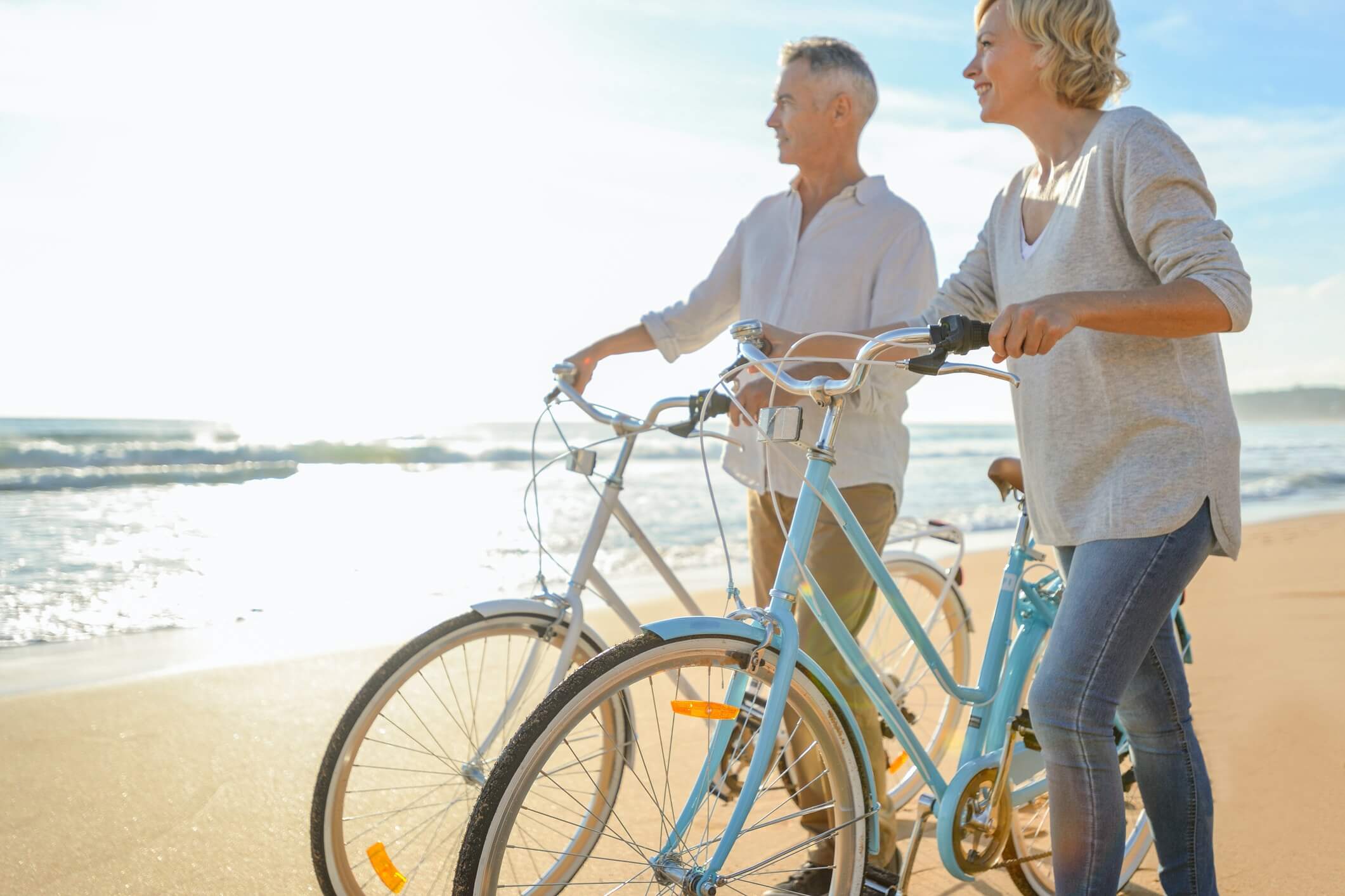
At the same time, retirement itself is being redefined.
Today's retirees are healthier, more active and more connected than previous generations. Rather than viewing retirement as a period of slowing down, many see it as the beginning of a new chapter focused on lifestyle, wellbeing, travel, learning and personal fulfilment.
As Australians continue to live longer and enjoy better health, expectations around retirement living are evolving. Communities are increasingly being designed around connection, independence and quality of life, reflecting the priorities of a new generation entering retirement.
A Generation Redefining Ageing
For much of the last century, retirement was associated with winding down.
Today, many Australians are approaching retirement with a very different mindset.
Life expectancy continues to rise, and many Australians reaching retirement age can now expect to spend 20 to 30 years in retirement. This extended life stage is changing the way people think about where and how they want to live.
Rather than focusing solely on housing, retirees are increasingly prioritising lifestyle, flexibility and opportunities to remain engaged with their communities.
Many continue to work part-time, volunteer, travel, pursue new hobbies and maintain active social lives well into their seventies and beyond.
This shift is influencing every aspect of retirement living, from community design and wellness programs to the services and amenities residents expect.
Case Study: Freedom to Travel with Confidence
This shift is already playing out in retirement communities across Australia.
For adventure-loving couple Richard and Veronica McGuigan, life at Aveo's Shortland Waters Retirement Living in Newcastle has given them the confidence to continue exploring the world, knowing their home is secure while they're away.
Having travelled to all seven continents, the couple say the community's lock-up-and-leave lifestyle has allowed them to continue pursuing their passion for travel.
"Living in our Aveo community allows us to continue that love of travel without any concerns about our own home." Richard McGuigan.
Although overseas adventures are becoming less frequent, the couple continue travelling throughout Australia and regularly house-sit for friends.
For Richard, one of the biggest surprises has been the friendships his wife has formed since moving into the community.
"The number of friends she's made is incredible. She's always off to lunch, morning tea or group trips. Last year they took a short cruise together. Before that it was Melbourne."
For many retirees, retirement communities are no longer simply providing housing - they're enabling the freedom to continue living life on their own terms.
Retirement Is No Longer About Retirement
Modern retirees are placing greater value on independence and choice than ever before.
Research from National Seniors Australia consistently highlights independence, financial security, health and social connection as some of the highest priorities for older Australians.
Increasingly, people are seeking living environments that support these goals while reducing the burden of maintaining larger family homes.
The focus has shifted from simply finding somewhere to live to finding a community that enhances quality of life.
For many, retirement living is no longer viewed as a necessity but as a lifestyle decision that enables greater freedom, convenience and connection.
Case Study: The Rise of the Two-Home Retirement
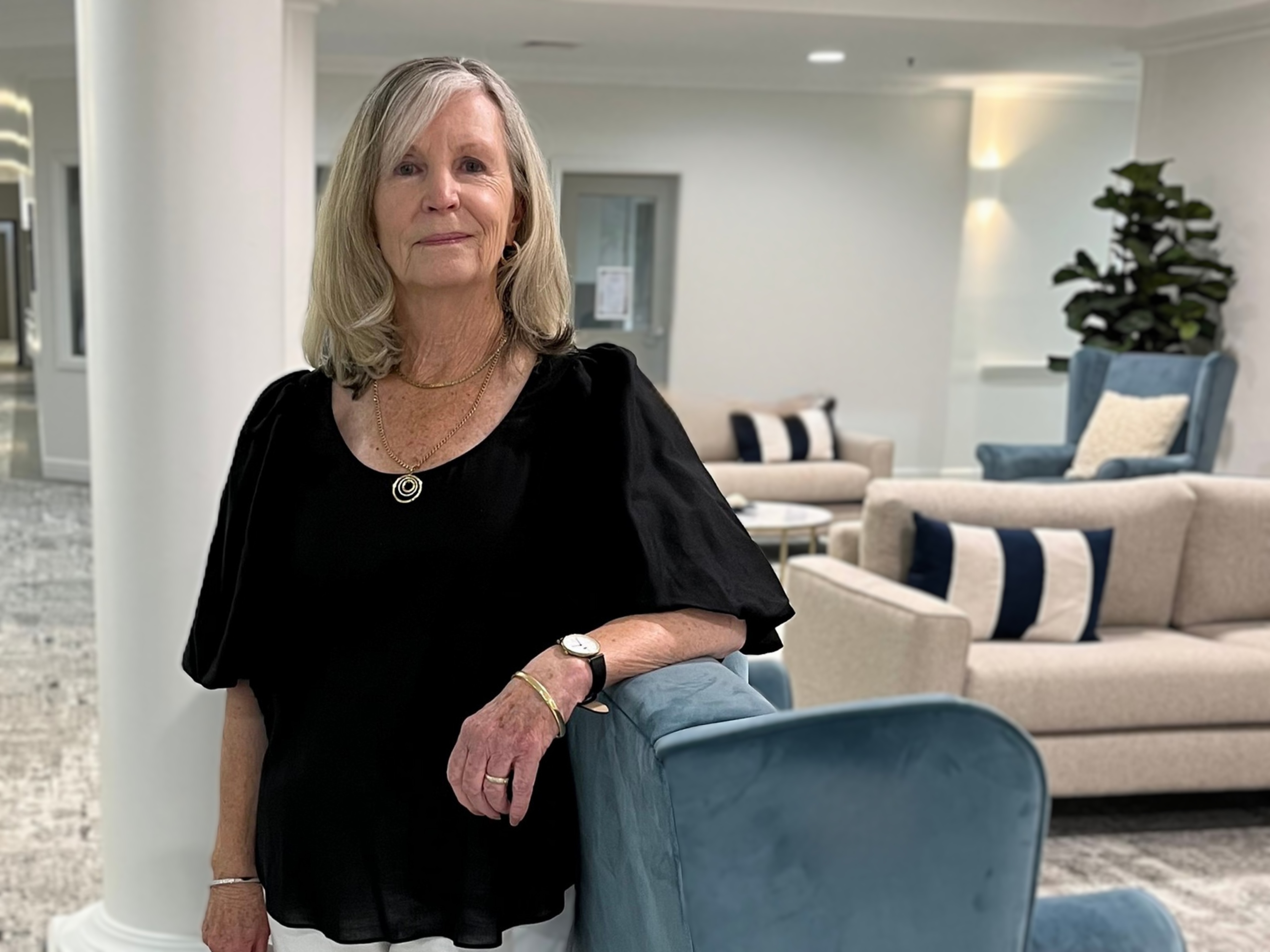
Melbourne retiree Maureen Matthews represents another emerging trend.
After moving into Aveo's The George Retirement Living, she also retained a beachside home on the Mornington Peninsula, allowing her to enjoy both city convenience and coastal living.
"Living in between two beautiful homes really is the best of both worlds."
Aveo's Victorian Operations Manager, Valetta Johnston, says this trend is becoming increasingly common.
Rather than downsizing their lives, many retirees are choosing to redesign them.
"We're seeing a clear shift away from the idea that downsizing means giving everything up."
For Maureen, retirement isn't about reducing opportunities.
"I'm at the age where it's not about making the most money, it's about living the life I want to live and enjoying it as much as I can."
From Retirement Villages to Lifestyle Communities
The retirement living sector has evolved significantly over recent decades.
While traditional retirement villages focused primarily on accommodation and support services, today's communities increasingly offer lifestyle experiences comparable to high-quality residential developments.
Residents can often access fitness centres, swimming pools, wellness programs, cafés, walking trails, community clubs and organised social activities designed to support active and engaged lifestyles.
Case Study: Communities Designed Around Connection
At Aveo's Cherry Tree Grove Retirement Living, recently upgraded resort-style facilities are bringing residents together in new ways.
The refurbished community now includes a café, private dining room, cinema, heated indoor pool, gym and contemporary library.
Resident Carl Curlett, who has lived at Cherry Tree Grove for 14 years, says the greatest benefit isn't the buildings, it's the people.
"I really love how close-knit the community is here."
"It's those connections that make this place truly special."
Importantly, retirement living remains a relatively underpenetrated housing sector in Australia.
Despite growing demand, only around 5 per cent of Australians aged over 65 currently live in retirement communities.
As awareness grows and a new generation of retirees seeks lifestyle-focused housing, industry leaders expect this figure to increase significantly.
This evolution is already visible across Aveo communities featured on Downsizing.com.au, including:
- Shortland Waters Retirement Living
- Cherry Tree Grove Retirement Living
- The George Retirement Living
- Minkara Resort Retirement Living
- Sackville Grange Retirement Living
Retirement Living's Broader Social Value
The transformation of retirement living is also being recognised beyond the sector itself.
Research commissioned by the Retirement Living Council and undertaken by PwC Australia found that retirement village residents experience measurable improvements in health, wellbeing and social connection compared with older Australians living in the broader community.
The research also identified reduced demand on government-funded health and aged care services, highlighting the broader economic and social contribution retirement communities can make as Australia's population continues to age.
The findings reinforce the growing role retirement living can play in supporting healthy ageing while helping people maintain their independence for longer.
Wellness Is Becoming a Core Expectation
Health and wellbeing have become central considerations for today's retirees.
Rather than simply responding to health challenges, many older Australians are proactively investing in preventative health, fitness and wellbeing.
Research from the Australian Institute of Health and Welfare continues to demonstrate the benefits of physical activity and social participation in supporting healthy ageing.
The PwC research aligns closely with these findings, showing retirement village residents report stronger wellbeing outcomes across measures including physical activity, social connection and quality of life.
Case Study: Wellbeing Through Purpose
Every Friday morning at Aveo's Sackville Grange Retirement Village, more than 20 residents gather to knit blankets, beanies and toys for children entering foster care through Hope in a Suitcase.
For founding member Anne Scott, the weekly gathering has become about far more than knitting.
"It's really become an amazing wellness group; everyone is incredibly supportive of each other."
The group demonstrates how purpose, volunteering and community connection have become integral to wellbeing in modern retirement communities.
Designing Communities Around Connection
Research from Ending Loneliness Together suggests around one in four Australians experience problematic levels of loneliness, with older Australians particularly vulnerable following retirement or bereavement.
Community design is increasingly responding to this challenge.
Shared spaces, organised activities, resident-led groups and everyday social interactions help foster belonging.
Case Study: The Power of Everyday Connection
For Maureen Matthews, moving to The George Retirement Living delivered something she hadn't fully anticipated.
"I feel so safe here, have complete peace of mind and I've made so many friendships."
She believes everyday interactions can make an enormous difference.
"Even when you don't chat to people, you see your neighbours and say hello. That kind of everyday interaction really helps."
The Great Downsizing Shift
Housing trends are also influencing retirement living decisions.
Many retirees are moving from homes that once suited family life into communities that better support their lifestyle today.
Interestingly, not everyone is moving into smaller homes.
Case Study: Why Some Downsizers Are Actually Upsizing
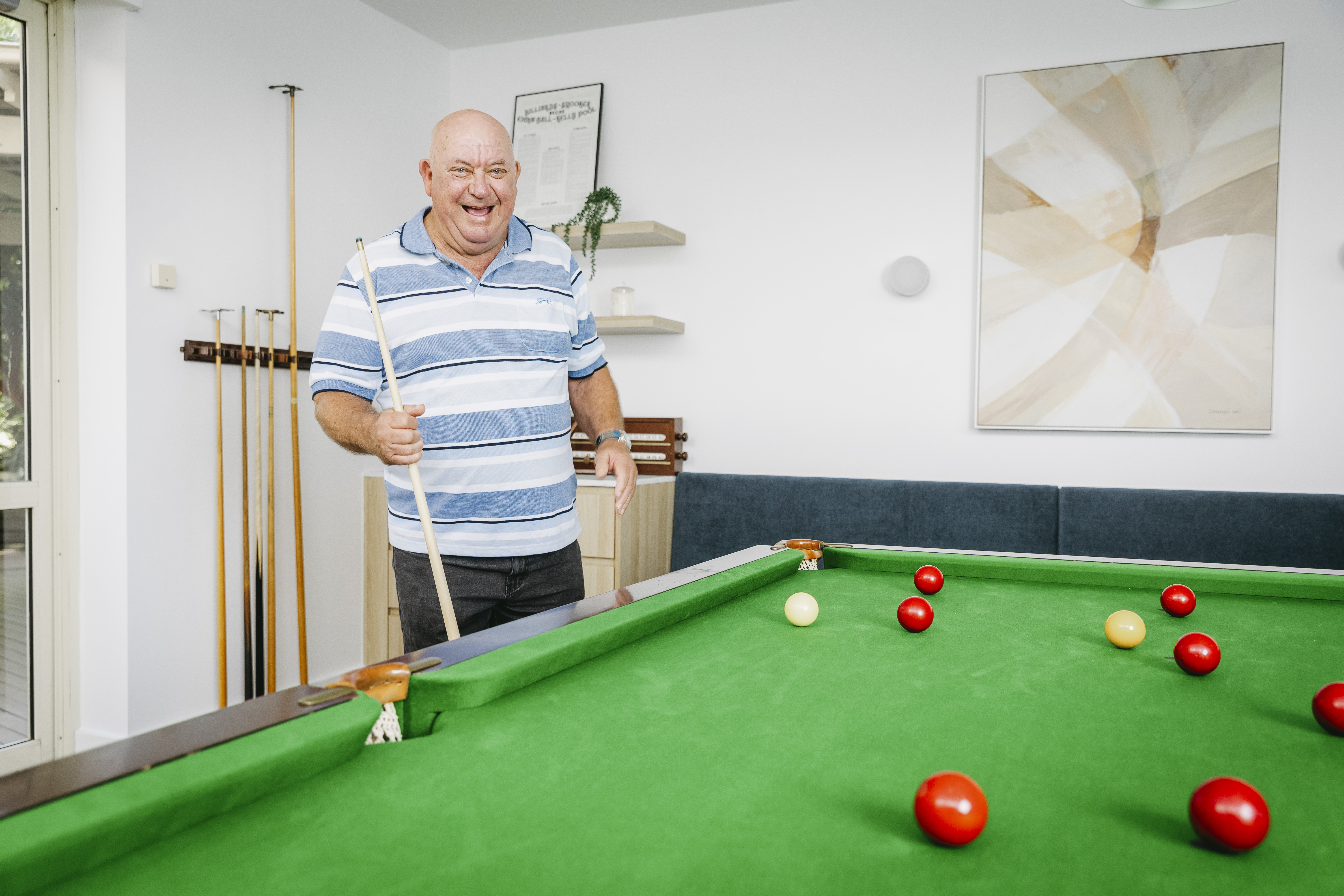
After selling his Mona Vale apartment, Wayne Fletcher moved into a larger apartment at Aveo's Minkara Resort Retirement Living.
He describes the move as an "upsize."
The additional space has allowed him to create a workshop and games room while enjoying facilities including a pool, gym and community workshop.
"I didn't have the space before. Now the community workshop feels like an extension of my own home."
It's another example of how retirement living is becoming less about reducing space and more about improving lifestyle.
Looking Ahead
The future of retirement living will be shaped by a generation that expects more from later life.
By 2030, every baby boomer will be aged 65 or older, creating unprecedented demand for communities that support active, connected and independent lifestyles.
For many Australians, retirement is no longer defined by slowing down.
It is defined by the freedom to choose how—and where—they want to live their next chapter.
Explore Aveo Retirement Communities
Discover how Aveo is reimagining retirement living through its communities featured on Downsizing.com.au.
- Shortland Waters Retirement Living
- Cherry Tree Grove Retirement Living
- The George Retirement Living
- Sackville Grange Retirement Living
- Minkara Resort Retirement Living
Explore More Retirement Communities
Premiere Projects:
https://www.downsizing.com.au/premiere-projects
Download the Downsizing Guide:
https://www.downsizing.com.au/downloadable-reports
Sources
- Australian Bureau of Statistics – https://www.abs.gov.au
- Retirement Living Council – https://www.retirementliving.org.au
- PwC / Retirement Living Council – The Economic and Social Contribution of Retirement Villages
- Australian Institute of Health and Welfare – https://www.aihw.gov.au
- National Seniors Australia – https://nationalseniors.com.au
- Ending Loneliness Together – https://www.endingloneliness.com.au
Next in the Series
Why Australians Are Choosing to Downsize Earlier Than Ever Before