

Best Places to Retire in Australia: Where Could Your Next Chapter Begin?
The best place to retire in Australia is not necessarily the sunniest town or the cheapest postcode. It is somewhere you can comfortably afford to live, maintain the lifestyle you enjoy and access the people and services you may need in the years ahead.
From coastal Queensland to Tasmania and established regional cities, there are appealing options across the country: but the right choice will depend on your budget, health needs, family connections and preferred pace of life.
Australia’s retirement destinations extend well beyond capital cities. The Australian Government’s Centre for population notes that regional populations are generally older than those of capital cities, reflecting in part the movement of older Australians towards regional and coastal areas. That makes these destinations worth considering, but popularity alone is not a reason to move. Think of the following locations as a practical shortlist to investigate rather than a definitive ranking.
What makes a great place to retire?
Before falling in love with a view, compare the everyday realities. Can you comfortably pay for the home and its ongoing charges? Is there medical, hospital or specialist care within a reasonable journey? Will you be close enough to family, friends and activities to feel connected?
Could you still get to shops and appointments if you stopped driving? And do you enjoy the climate in both summer and winter?
It is also worth deciding what kind of home you want. A conventional apartment or downsized house offers a different arrangement from a retirement village, land lease community or serviced retirement accommodation. Check ownership rights, ongoing fees, exit arrangements and any community rules before committing. For a starting point, read our guide to retiring in Queensland and compare retirement properties in the locations below.
Sunshine Coast, Queensland: coastal lifestyle with a choice of centres
The Sunshine Coast appeals to people who want beaches, walking paths and outdoor activities without giving up access to established urban services. Caloundra, Maroochydore and the surrounding communities offer different experiences, from quieter neighbourhoods to busier centres. The hinterland provides another option if coastal property does not suit your budget or lifestyle.
Why consider it: outdoor recreation, established towns and a range of retirement living options. What to investigate: housing costs in your preferred suburb, traffic during peak holiday periods, flood exposure and the distance from specialist healthcare. Explore retirement living properties in Caloundra.
Hervey Bay, Queensland: a gentler coastal pace
Hervey Bay is attractive to people who prefer a relaxed coastal environment, waterfront recreation and a less hectic atmosphere than a major city. Its appeal is particularly strong for those who enjoy walking, boating and community activities. A move should still be assessed against transport needs and how readily you can reach the healthcare you use regularly.
Why consider it: coastal lifestyle and over-50s community options.
What to investigate: proximity to services, summer heat, storm risks and the total cost of the housing model. Browse retirement living in Hervey Bay and surrounding Fraser Coast communities.
Toowoomba, Queensland: regional amenities and a cooler inland setting
Toowoomba offers a different Queensland retirement proposition: a substantial inland regional city with gardens, cultural activities and a generally cooler setting than the coast. It may suit people who want a sense of community and urban convenience without living by the beach.
Why consider it: established city services, parks and community activities.
What to investigate: neighbourhood-by-neighbourhood transport, winter temperatures, specialist healthcare requirements and the cost of maintaining a house or garden. See Downsizing’s retirement living options in Toowoomba.

Port Macquarie, New South Wales: beaches and an established regional centre
On the NSW Mid North Coast, Port Macquarie combines beaches and riverside recreation with the services of a regional centre. It can appeal to retirees seeking a coastal move without necessarily choosing a small holiday town. Its different neighbourhoods vary in proximity to shops, medical services and public transport, so the right address matters as much as the town itself.
Why consider it: a coastal setting, walks, clubs and an established range of retirement accommodation. What to investigate: local flood maps, insurance, access to appointments and travel to family. Explore retirement properties in Port Macquarie.
Bendigo, Victoria: history, culture and a regional-city lifestyle
Bendigo is worth investigating if you enjoy heritage streetscapes, galleries, gardens and community life but do not want to live in Melbourne. A regional city may also offer a practical balance between space and everyday services, although the right choice depends on where you live within the region and how you travel.
Why consider it: cultural attractions and an established regional community. What to investigate: summer heat, access to public transport, the location of your preferred healthcare providers and the costs of different housing options. View retirement and downsizing properties across Bendigo.
Victor Harbor, South Australia: a seaside town near Adelaide
Victor Harbor on the Fleurieu Peninsula offers beaches, coastal walks and a recognisable holiday-town atmosphere. It may appeal to people who want a sea change while retaining a connection with Adelaide. However, holiday traffic, transport and the practicalities of visiting family should form part of the decision.
Why consider it: coastal scenery, community life and retirement housing choices. What to investigate: seasonal activity, road travel, medical appointments and ongoing housing costs. Explore retirement living in Victor Harbor.
Mandurah, Western Australia: waterways and links to Perth
Mandurah offers an estuary-and-coast lifestyle south of Perth. The ability to travel into the metropolitan area can make it interesting for retirees who want a change of pace without moving too far from family or city services. Compare locations carefully: being near a train station, shops and healthcare can matter greatly over time.
Why consider it: outdoor recreation, waterways and a range of accommodation models. What to investigate: summer conditions, transport from your actual address and the contract terms of any retirement or lifestyle community. Browse retirement living in Mandurah.
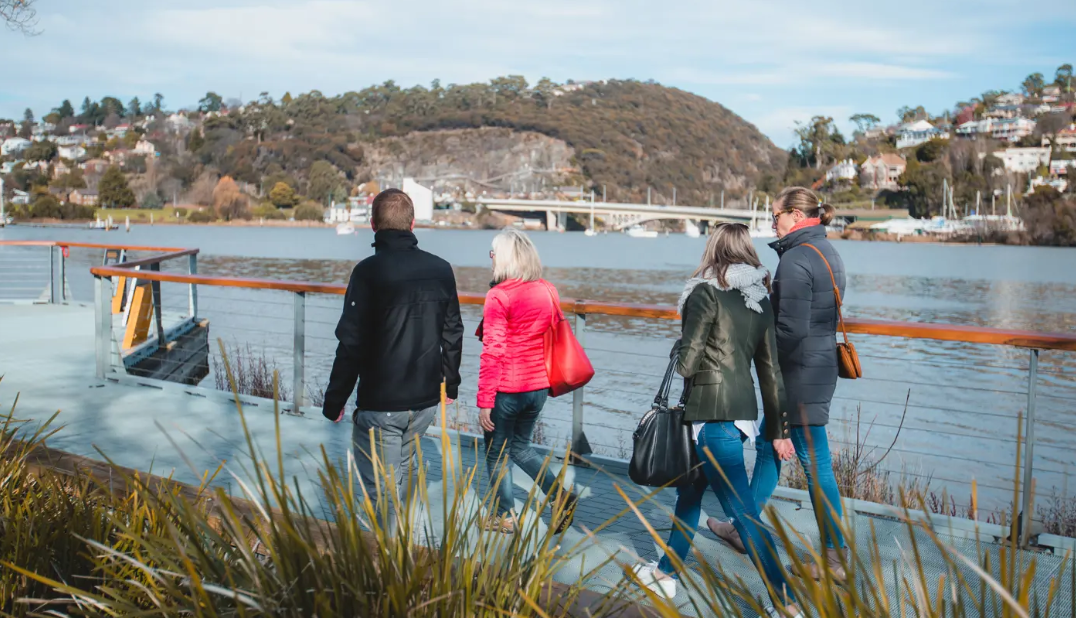
Launceston and northern Tasmania: seasons, culture and a smaller-city pace
Launceston and northern Tasmania may suit people who enjoy distinct seasons, historic buildings, walking and a smaller-city feel. Launceston’s galleries, heritage streets and nearby natural attractions are part of the appeal. Retirement in Tasmania can also mean adjusting to cooler weather and the logistics of travelling interstate to see family.
Why consider it: heritage, culture and access to natural attractions. What to investigate: winter comfort and heating costs, medical services, travel connections and the availability of suitable retirement homes. Explore retirement properties across Tasmania.
How to choose the right retirement destination
A sensible shortlist starts with practical needs, not a ranking. Choose three or four locations that fit your preferred climate, family connections and likely housing budget. Then investigate each against the same criteria:
- Housing costs: compare entry price, strata or site fees, village charges, maintenance, insurance and any deferred management or exit fees.
- Healthcare: check local GP availability, hospital services and travel times to the specialists you actually use. Healthdirect’s Service Finder can help you investigate services by location.
- Transport: test how you would manage shopping and medical appointments if you could no longer drive.
- Community: look for activities you genuinely enjoy and opportunities to build friendships.
- Climate and risk: visit in different seasons and check local flood, bushfire or coastal hazard information.
- Future needs: consider accessibility, home maintenance and whether additional support could be arranged later.
Spend enough time in each destination to understand ordinary life. A weekday visit outside school holidays may tell you more than a weekend away. Speak to residents, inspect several property types, investigate local health services and compare contracts before you make a commitment.
Frequently asked questions about where to retire in Australia
What is the best place to retire in Australia on a budget?
There is no single cheapest place that suits everyone. Regional centres and less prominent suburbs can offer different housing choices, but savings depend on the property, ongoing fees, transport needs and your circumstances. Compare total costs rather than relying on advertised entry prices.
Is it better to retire by the coast or in a regional city?
A coastal town may offer the outdoor lifestyle you want, while a regional city can offer a broader range of everyday services. Both vary considerably. The best choice is the one that remains practical and affordable in the long term.
Should I move away from family when I retire?
That depends on your relationships, ability to travel and support network. Consider how often you want to see family, what would happen during an illness, and whether you are comfortable building a new community.
How do I compare retirement villages in different locations?
Compare more than the price: ask about ownership or occupancy rights, recurrent charges, exit fees, capital gains arrangements, community rules and accessibility. Seek independent legal and financial advice before signing a contract.
Start exploring retirement properties.
The best place to retire is ultimately a place where your housing, lifestyle and support needs fit together. Once you have a shortlist, compare actual properties and communities rather than relying on broad descriptions of a town.
SOURCES:
Australian Bureau of Statistics: Regional population by age and sex, 2025
Australian Government Centre for Population: Population Statement 2025
Service Finder
My Aged Care: Find a provider
Visit NSW Port Macquarie area
Discover Tasmania: Things to do in Launceston